 Save
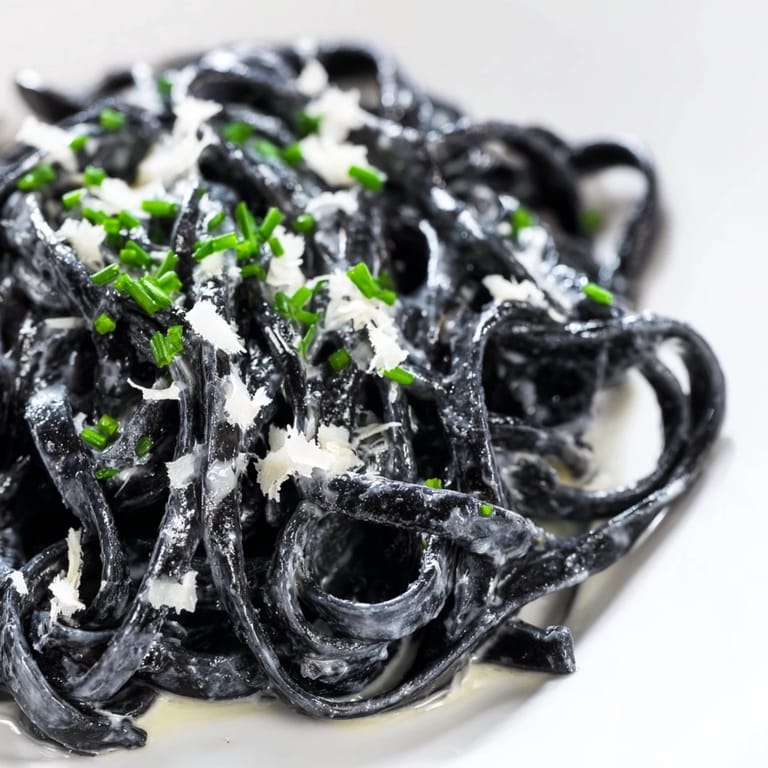
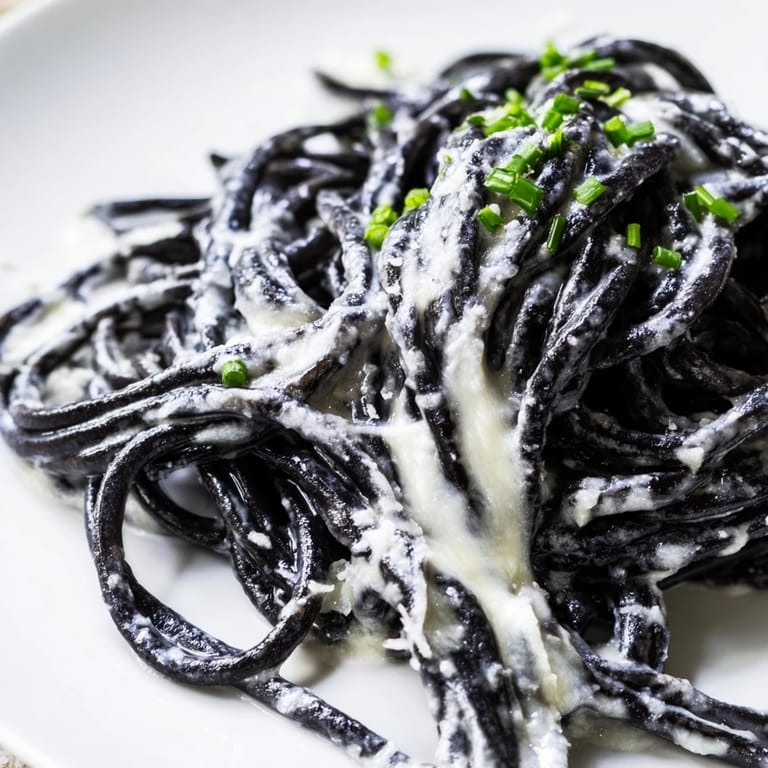
Save The first time I served squid ink pasta, the kitchen fell silent as everyone stared at the glossy black strands coiling in the pot. It was during a dinner party where I was trying to push beyond my usual repertoire. The dramatic contrast of the obsidian pasta against my white ceramic plates created such a striking image that my guests were almost hesitant to disturb the presentation with their forks. When they finally did, the silky cream sauce clung perfectly to each strand, creating an experience that was as luxurious to eat as it was to behold.
Last winter, I prepared this dish for my partners birthday dinner, dimming the lights and placing candles around our small dining table. The pasta looked almost otherworldly in the flickering light, its inky tendrils glistening with cream sauce. As we twirled forkfuls of the rich, aromatic pasta, conversation flowed easily between bites, punctuated by appreciative murmurs. It became our special occasion dish, the one that signals something worth celebrating.
Ingredients
- Squid Ink Pasta: The dramatic black color comes from actual squid ink, which adds a subtle briny flavor that perfectly complements the richness of the cream sauce.
- Shallot: I once substituted onion in a pinch and regretted it immediately, as shallots provide a more delicate, complex flavor foundation that doesnt overpower the subtle oceanic notes.
- Heavy Cream: This creates the luxurious mouthfeel that makes the dish so satisfying, and I found that heating it slowly prevents any separation or graininess.
- Lemon Zest: After experimenting with several versions, I discovered that this bright note cuts through the richness and awakens all the flavors without making the sauce acidic.
- Parmigiano-Reggiano: Worth splurging on the real thing here, as its crystalline texture and nutty depth transform an already good sauce into something transcendent.
Tired of Takeout? 🥡
Get 10 meals you can make faster than delivery arrives. Seriously.
One email. No spam. Unsubscribe anytime.
Instructions
- Prepare Your Pasta:
- Bring a large pot of water to a rolling boil and add enough salt to make it taste like seawater. The dramatic black strands will gradually soften and uncurl as they cook.
- Create Your Flavor Base:
- As butter melts and begins to foam slightly, add your finely chopped shallot, watching it turn translucent and releasing its sweet aroma. When you add the garlic, the kitchen will fill with that irresistible fragrance that signals good things are coming.
- Deglaze With Wine:
- Pour in the white wine and listen for that satisfying sizzle as it hits the hot pan. Youll see it bubble vigorously at first, then settle into a more gentle simmer as the alcohol evaporates.
- Build Your Silky Sauce:
- Lower the heat before adding your cream to prevent any splattering or scorching. Watch how it transforms from liquid to a sauce that coats the back of a spoon, a culinary magic trick that happens right before your eyes.
- Marry The Elements:
- When you add the pasta to the sauce, use tongs to gently toss and coat each strand, lifting and turning until every bit is glossy with cream. The reserved pasta water is your secret weapon if things get too thick.
- Finish With Flair:
- Just before serving, sprinkle cheese from a height to ensure even distribution. The final touch of bright green chives creates a stunning color contrast against the black pasta.
 Save
Save I remember serving this dish to my food-skeptical father who eyed the black pasta with undisguised suspicion. As much as I wish I could say he was instantly converted, the truth is he took one reluctant bite, then another, and finally declared with surprised delight, This doesnt taste like what it looks like at all. We still laugh about it years later, and now he specifically requests my weird black pasta when he visits. Some dishes become more than meals, they become stories we tell about ourselves and each other.
Perfect Pairings
After much delicious experimentation, Ive found that a crisp, mineral-forward Pinot Grigio from northern Italy creates magic with this dish. The wines clean acidity cuts through the cream while its subtle citrus notes amplify the lemon zest in the sauce. One evening when we had no white wine on hand, we opened a Prosecco instead and discovered another wonderful pairing, the bubbles providing a delightful textural contrast to the silky pasta.
Seafood Additions
On special occasions, Ive elevated this dish by adding sautéed shrimp or tender pieces of calamari to the sauce just before tossing with pasta. The seafood should be cooked separately until just opaque before being folded in, allowing its sweet oceanic flavor to complement the subtle brininess of the squid ink. Once, when I had unexpected guests, I stretched the dish with some quickly steamed mussels arranged around the edge of the pasta for a showstopping presentation that looked far more labor-intensive than it actually was.
Presentation Matters
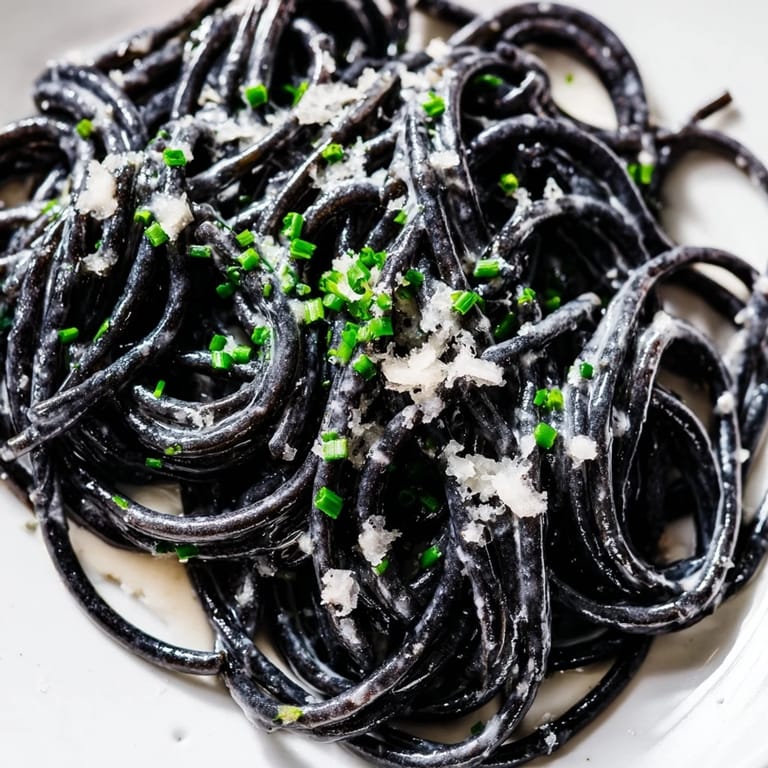
The visual drama of squid ink pasta deserves thoughtful presentation to maximize its impact. Ive found that twirling the pasta into a neat mound using a carving fork against a ladle creates an elegant presentation that showcases the glossy strands. When entertaining, I sometimes serve individual portions in shallow, wide bowls that have been warmed in the oven to keep the sauce from congealing too quickly.
- Consider using white plates or bowls to emphasize the dramatic black color of the pasta.
- Garnish with restraint, allowing the vibrant green chives and golden parmesan to create striking color accents without overwhelming.
- Keep portions slightly smaller than you might with regular pasta, as the richness of the dish can be quite filling.
 Save
Save This squid ink pasta has taught me that sometimes the most memorable dining experiences come from stepping outside our comfort zones. Each time I prepare it, Im reminded that cooking isnt just about feeding bodies but about creating moments that linger long after the plates are cleared.
Your Questions Answered
- → Can I use fresh squid ink pasta instead of dried?
Yes, absolutely. Fresh squid ink pasta will cook much faster, typically in 3-4 minutes instead of the package time for dried. Check for doneness earlier to avoid overcooking.
- → What wine pairs best with this dish?
A crisp Italian white wine like Pinot Grigio or Vermentino works beautifully. The acidity complements the rich cream sauce and brings out the squid ink's subtle briny notes.
- → How do I prevent the sauce from breaking?
Keep the heat low when adding cream and maintain a gentle simmer. Avoid high temperatures that can separate the cream. If needed, add pasta water gradually to achieve a silky consistency.
- → Can I add seafood to this preparation?
Yes, sautéed shrimp or calamari are excellent additions. Cook them separately first, then fold into the finished sauce for extra flavor and protein.
- → Is this dish suitable for pescatarian diets?
Yes, this is a naturally pescatarian dish. All ingredients are fish and meat-free, though check your squid ink pasta source for any shellfish processing concerns.
- → What can I substitute for heavy cream?
Crème fraîche or mascarpone create similar richness. For lighter versions, use half-and-half or whole milk, though the sauce will be less luxurious.