 Save
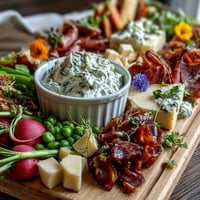
Save I'll never forget the first time I arranged a wine-stained cheese board for a dinner party. It was meant to be simple, but when I placed that empty wine bottle at the center and surrounded it with cheeses that had been kissed by burgundy and ruby hues, something magical happened. My guests gasped before they even tasted anything. The board itself told a story of indulgence and celebration, and I realized that day that sometimes the most memorable appetizers are the ones that make people pause and smile before they even reach for a piece.
There's something special about watching people gather around a board that's this intentional. I made this for my sister's engagement celebration, and she stood there for a full minute just taking it in before anyone touched anything. That's when I knew I'd created something that transcended being just food—it became a focal point, a conversation starter, a moment of beauty on the table.
Ingredients
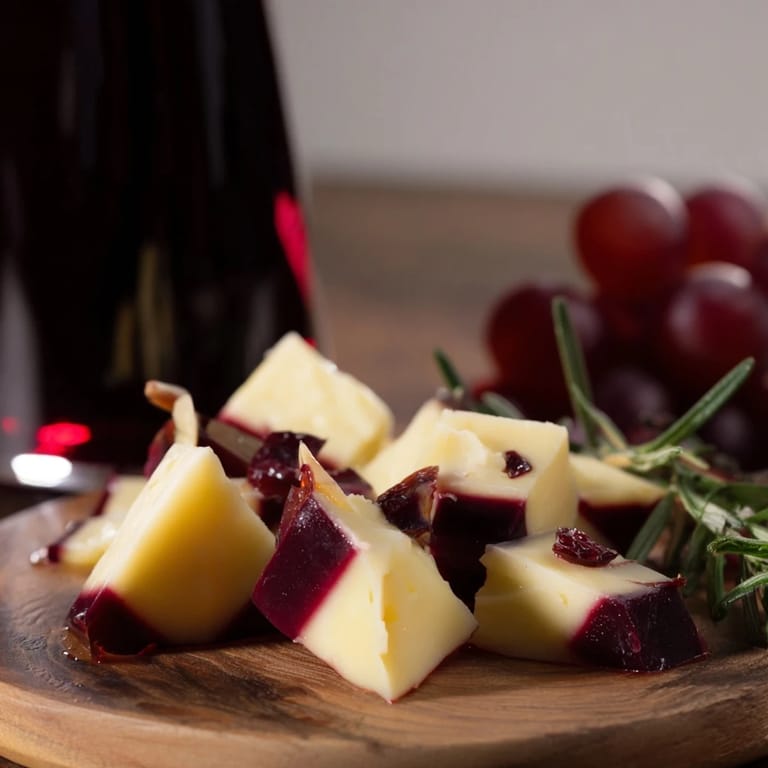
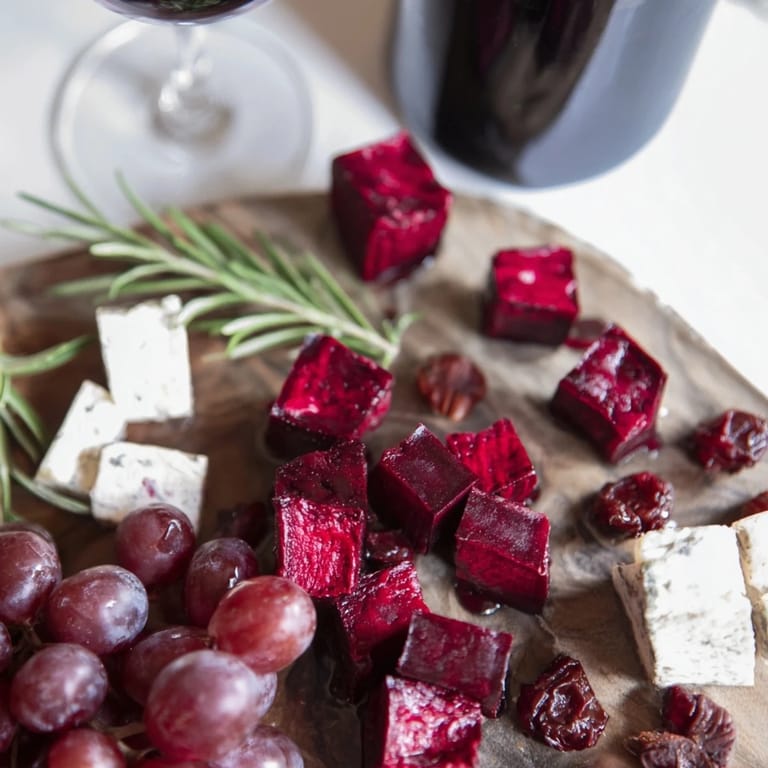
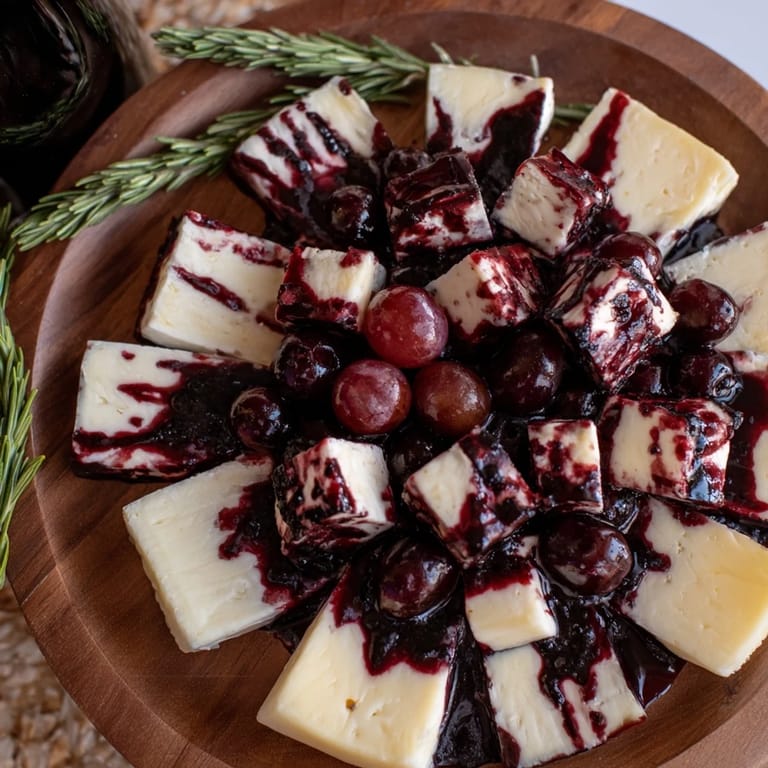
- Drunken goat cheese, sliced (200g): This is your creamy anchor, already soaked in red wine so it carries that subtle tartness and depth. The softness contrasts beautifully with harder cheeses, and it's forgiving enough that you can arrange it however feels right.
- Red Wine BellaVitano or similar wine-soaked hard cheese, cubed (150g): These dense, crystalline cubes hold their shape and provide that satisfying crunch. They're already infused with wine, which means they're doing flavor work you don't have to do.
- Red wine-cured salami, thinly sliced (100g): The paprika-forward spice here plays beautifully against the wine-sweetness of everything else. Don't skip the thin slicing—it makes all the difference in how elegantly it folds and drapes.
- Prosciutto, torn into ribbons (80g): This is pure theater. The delicate, almost translucent ribbons catch the light and add sophistication. Tear it by hand rather than slicing for that intentional, relaxed look.
- Red wine jelly (1/2 cup): This is your glossy jewel—spoon it into a small bowl and let it catch people's eyes. It bridges the sweet and savory divide perfectly.
- Red wine-poached grapes (1/2 cup): These little bursts of wine-sweetness are unexpectedly addictive. The poaching softens them just slightly and concentrates all that ruby wine flavor into each grape.
- Red wine-infused dried cherries (1/4 cup): Chewy, tart, and deeply colored, these add another texture layer and remind people that good fruit belongs on a cheese board.
- Red wine-marinated olives (1/3 cup): Whether you choose kalamata's deep earthiness or green's brighter bite, these marinated versions have already done the flavor work. They're salty anchors that make you reach for more cheese.
- Baguette, sliced (1 small): Keep these neutral and simple—they're vehicles for the stars. Slice them a few hours ahead if you like; they'll firm up slightly and hold toppings better.
- Red wine and rosemary crackers (1 cup): These aren't an afterthought; they echo the wine theme and their herbs play with the board's aromatics.
- Fresh rosemary sprigs: Beyond garnish, these release their fragrance as people reach across the board. Pinch one gently as you arrange it—that's your kitchen moment right there.
- Edible flowers, optional: If you find them, they add unexpected elegance. If not, don't hunt them down—the board is stunning without them.
Tired of Takeout? 🥡
Get 10 meals you can make faster than delivery arrives. Seriously.
One email. No spam. Unsubscribe anytime.
Instructions
- Set your stage with the bottle:
- Find a large wooden board or platter—something with warmth and character. Place your clean, empty wine bottle at dead center. This is your focal point, your anchor. Whether the label is still on or you've removed it, this bottle is doing visual work, so position it where it feels balanced.
- Build your cheese foundation:
- Start with the soft drunken goat cheese, slicing it into generous pieces and arranging them around the bottle's base. Let some lean casually against the bottle—this isn't about rigid perfection; it's about abundance and ease. Cube the hard cheese and nestle those pieces into the gaps, creating height variation that catches light and makes the board feel alive.
- Layer in the cured meats:
- Fan out your salami slices in loose, overlapping piles. Then take the prosciutto and tear it into ribbons—yes, tear it by hand. This creates an intentional, rustic feel that machine-slicing never quite captures. Scatter these ribbons across different sections so guests encounter them throughout the board.
- Add your sweet and briny counterpoints:
- Pour the red wine jelly into a small bowl and position it where it'll catch the light. Scatter your wine-poached grapes in little clusters—three grapes here, four grapes there. Do the same with the wine-infused cherries and marinated olives. You're creating pockets of flavor surprise, not a uniform distribution.
- Arrange your accompaniments with intention:
- Lay your baguette slices in an arc or loose line. Arrange the wine and rosemary crackers similarly, positioning them so guests can easily grab them without toppling your carefully arranged cheeses. Think of these as the frame around your masterpiece.
- Finish with fragrance and flourish:
- Tuck fresh rosemary sprigs into empty spaces—press them between cheeses, lay them across different sections. If you have edible flowers, scatter them now for a final touch of color. Step back. Look at your board. This is what you created in twenty minutes.
 Save
Save I remember my mother-in-law taking a grape, a piece of that drunken goat cheese, and a thin slice of salami all at once. She closed her eyes. When she opened them, she looked at me and said, 'This is what happens when someone knows what they're doing.' I almost cried. I'd simply arranged beautiful ingredients thoughtfully, but somehow it felt like a love language.
The Wine Pairing Moment
Here's something nobody tells you: the wine you pour to drink should echo the wines infused in this board. I learned this by accident when I grabbed a Pinot Noir instead of the Merlot I'd planned. The brightness of the Pinot somehow made every element sharper, more alive. A medium-bodied red wine—whether it's a Pinot Noir, Merlot, or a good Côtes du Rhône—will feel like a natural continuation of what's already on the board. The wine becomes both the ingredient and the companion.
Making Your Own Wine-Poached Grapes
If you want to go the extra step, poaching your own grapes is genuinely worth it. Simmer seedless red grapes in a cup of dry red wine with two tablespoons of sugar and a cinnamon stick for about ten minutes. The kitchen fills with this intoxicating steam, and when you taste one—still warm—it's like eating concentrated wine and sweetness at once. Cool them completely before arranging. This small act of preparation makes the board feel entirely handmade, and your guests will taste that intention.
- Use the same wine you'll be poaching with for drinking—it creates beautiful coherence
- Don't overcrowd the pot; give the grapes space to absorb the wine evenly
- Save the poaching liquid for drizzling over the final board if you're feeling fancy
Building Flexibility into Your Board
The magic of this board is that it adapts. Can't find red wine BellaVitano? Look for Ubriaco Rosso or any hard cheese that's been wine-soaked. Don't eat meat? Double the cheese and add roasted nuts—marcona almonds or candied walnuts would be incredible. Missing the edible flowers? The board doesn't need them; it's stunning without that final flourish. Every substitution you make is just you being creative with what you have, and that's exactly how the best boards are built.
The Allergen and Preparation Choreography
Before you arrange anything, know your guests. This board contains milk, wheat, and sulfites—and if you're adding nuts or using the meat options, those allergens are present too. It's a simple conversation that takes thirty seconds but matters entirely. Also, give yourself more time if you need it. Slice the baguette the morning of. Prepare the wine-poached grapes a few hours ahead. The actual assembly—the part where you arrange everything around that bottle—that's what takes twenty minutes. You can build this in phases without it feeling rushed, which is when it looks its best.
- Always communicate about allergens before serving—it's a sign of respect and care
- If assembling ahead, cover loosely with plastic wrap and leave at room temperature for up to two hours
- The beauty of this board is in its impermanence—it's meant to be eaten, so perfection matters less than generosity
 Save
Save This board isn't complicated, but it feels like a gift when you present it. That's the real magic—taking simple, already-special ingredients and arranging them with intention. Your guests will taste the wine in every element and feel the care in how you've arranged it all.
Your Questions Answered
- → How do I prepare the red wine-poached grapes?
Simmer seedless red grapes in a cup of dry red wine with sugar and a cinnamon stick for 10 minutes, then cool before serving.
- → Can I make this without meats?
Yes, omit the cured meats and add extra cheese or roasted nuts for a vegetarian-friendly version.
- → What types of cheese work best for this board?
Cheeses soaked or infused with red wine, like drunken goat cheese or BellaVitano, create the richest flavor profiles.
- → How should I arrange the board for best presentation?
Place a clean wine bottle center and arrange cheeses, meats, and accompaniments around it, layering and fanning for visual appeal.
- → What wines pair well with this board?
Fruity, medium-bodied reds such as Pinot Noir or Merlot complement the flavors and enhance the tasting experience.