 Save
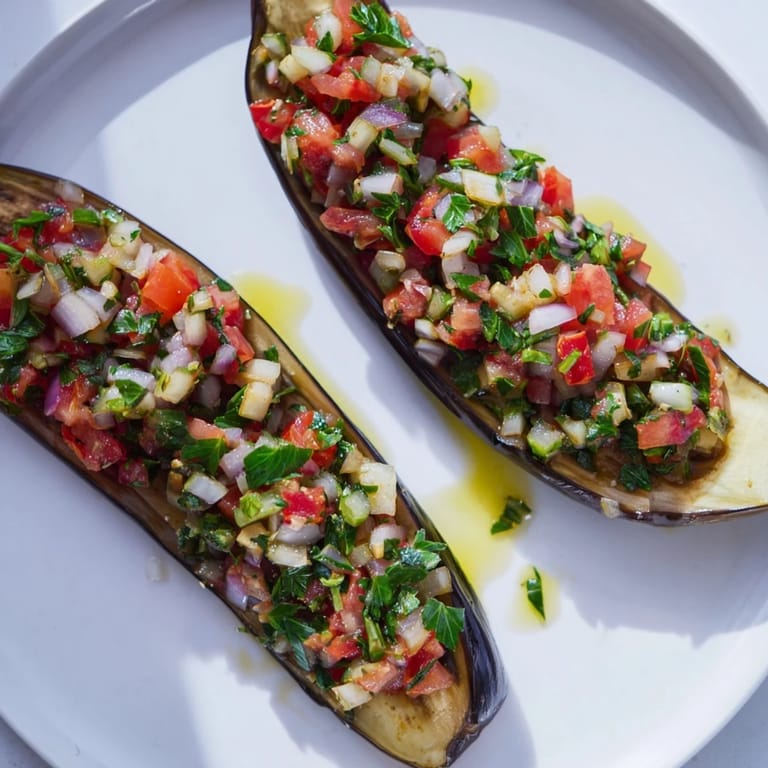
Save The first time I made Imam Bayildi, I was standing in a cramped Istanbul kitchen borrowed from a friend's aunt, surrounded by the scent of eggplants sizzling in olive oil. The name itself—which translates to "the imam fainted"—made me laugh as I worked, imagining some Ottoman cleric overcome by the sheer richness of the dish. There's something almost meditative about slicing those eggplants lengthwise, creating little boats ready to be filled with silky tomato and onion magic. This Turkish classic isn't fussy, but it does demand patience and presence, which is exactly why it became one of my go-to dishes when I want to impress without stress.
I remember bringing this to a potluck on a cool autumn evening, and watching people go quiet the moment they took a bite—that kind of respectful silence that means something really good is happening on their plate. My friend Elena asked for the recipe right then and there, and I realized that Imam Bayildi had become the dish I always want to make when I need to feel capable and generous at the same time.
Ingredients
- Eggplants (4 medium, about 250g each): Choose ones that feel heavy and firm with unblemished skin; they should be roughly the same size so they cook evenly.
- Onions (3 medium, thinly sliced): The slow caramelization brings natural sweetness that balances the tomato's acidity—this is the flavor backbone.
- Tomatoes (4 ripe, peeled and diced): Fresh, in-season tomatoes make all the difference; if they're not perfect, a pinch of sugar corrects the balance.
- Garlic (4 cloves, minced): Mince it fine so it distributes evenly throughout the filling and cooks down completely.
- Green bell peppers (2, seeded and finely chopped): They add subtle sweetness and texture; don't skip them even though they're easy to overlook.
- Flat-leaf parsley (1 bunch, chopped): Stir this in at the very end to keep its bright, fresh flavor from cooking away.
- Extra virgin olive oil (120 ml): Use the good stuff here—this dish celebrates oil, so it deserves your best bottle.
- Water (120 ml): This creates steam during baking and keeps the filling moist; don't skip it.
- Lemon juice (½ lemon): The acidity cuts through richness and ties all the flavors together.
- Sugar (1 tsp): A tiny bit rounds out the tomato's natural tang without making the dish sweet.
- Sea salt (1½ tsp, plus more to taste): The initial salting of the eggplants draws out moisture and prevents them from becoming watery.
- Ground black pepper (½ tsp): Freshly ground pepper has so much more life than pre-ground.
- Paprika (1 tsp, optional): This adds warmth and a subtle smoky note that deepens the filling without overpowering it.
Tired of Takeout? 🥡
Get 10 meals you can make faster than delivery arrives. Seriously.
One email. No spam. Unsubscribe anytime.
Instructions
- Set the stage:
- Preheat your oven to 180°C (350°F) and gather everything you'll need—there's a nice rhythm to this dish when you're not scrambling.
- Prepare the eggplants:
- Wash them, then use a vegetable peeler to remove alternating lengthwise stripes, creating a striped pattern that looks beautiful and helps them cook more evenly. Cut a slit lengthwise down the center of each one, careful to leave about 1 cm on each end so the eggplant stays intact.
- Draw out the bitterness:
- Sprinkle the cut eggplants generously with salt and let them sit for 20 minutes—you'll see tiny beads of moisture emerge. This step is crucial; rinse them under cool water and pat them completely dry with a clean kitchen towel.
- Build the filling:
- Heat half the olive oil in a large skillet over medium heat until it shimmers. Add your sliced onions and let them soften slowly, stirring occasionally—this should take about 8 minutes and they should turn translucent and sweet.
- Deepen the flavor:
- Add the minced garlic and chopped bell peppers, cooking for 3 more minutes until fragrant. Stir in the diced tomatoes, sugar, salt, pepper, and paprika if using, then let everything simmer together for 10 minutes until the mixture thickens and the raw tomato taste mellows out.
- Finish the filling:
- Remove from heat and stir in the fresh parsley—you want it bright green, not cooked down to nothing.
- Soften the eggplants:
- In another clean skillet, heat the remaining olive oil over medium heat. Working gently, place the eggplants in the oil and let them fry on all sides for about 8 minutes total until they're lightly browned and just beginning to soften—they should still have some structure since they'll continue cooking in the oven.
- Stuff and arrange:
- Transfer the eggplants to a baking dish, arranging them so they have a little breathing room. Carefully open each slit wider and begin spooning the tomato filling inside generously—don't be shy here.
- Add moisture and flavor:
- Drizzle everything with lemon juice, then pour the water around (not over) the eggplants; this creates steam that keeps them tender without making them soggy.
- The slow transformation:
- Cover the dish tightly with foil and slide it into the oven for 35 minutes. Remove the foil and continue baking for another 10–15 minutes until the eggplants are completely tender when pierced with a fork and the filling is just beginning to bubble at the edges.
- Cool and serve:
- Let the dish rest to room temperature before serving—this is when the flavors fully merge and the texture becomes luxuriously soft.
 Save
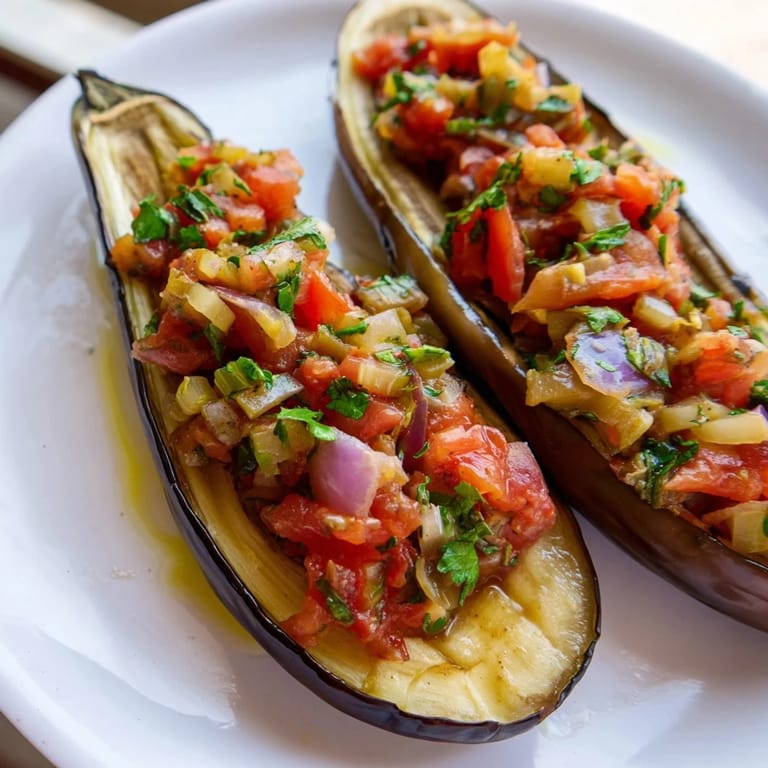
Save There's a moment, usually around midnight after guests have left, when I taste the leftovers cold straight from the fridge and realize that this dish somehow tastes even better the next day. That's when Imam Bayildi stopped being just a recipe for me and became proof that good food gets better with rest.
Why This Dish Matters
Imam Bayildi exists at the crossroads of Turkish home cooking and Ottoman palace cuisine, which means it carries both simplicity and elegance in every bite. It's the kind of dish that requires respect for your ingredients but rewards you generously for that attention, and it tastes like you spent all day cooking even though you really didn't.
Making It Your Own
The beauty of this recipe is that it's forgiving enough to welcome your own touches without falling apart. I've added a pinch of cinnamon for warmth, a chopped green chili for heat, and even a few pine nuts scattered on top because why not. Some cooks in Istanbul swear by a touch of allspice; others add a generous handful of fresh mint. The filling can also be made a full day ahead and refrigerated—just bring it back to room temperature before stuffing.
Serving Suggestions
Imam Bayildi shines as a vegetarian main course on its own, but it also plays beautifully with sides that either echo or contrast its richness. Crusty bread soaks up the silky filling, while a simple Greek salad or fresh greens provide brightness and cut through the oil in a welcome way. A dollop of cold yogurt on the side is traditional and essential—the cool creaminess against the warm eggplant is honestly one of life's great food moments.
- Serve warm or at room temperature, never straight from the fridge.
- A squeeze of fresh lemon right before eating brightens everything up.
- Leftover Imam Bayildi actually improves after a day or two as flavors deepen, so make extra without hesitation.
 Save
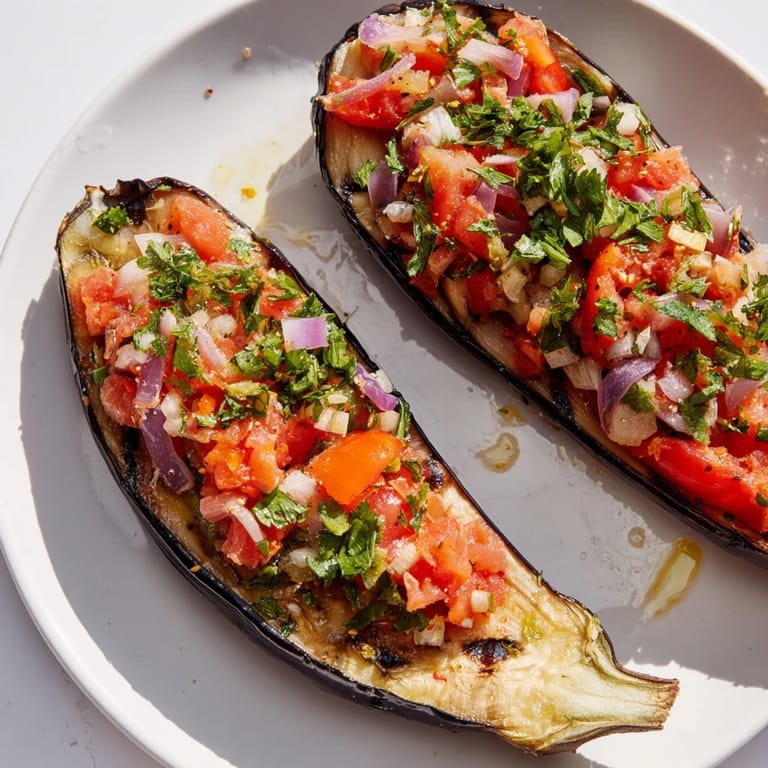
Save This is the dish I make when I want to feel connected to something older and larger than myself, when I want to slow down, and when I want people to feel genuinely cared for without me needing to say a word. Make it once and it becomes yours.
Your Questions Answered
- → What is the best way to prepare eggplants for Imam Bayildi?
Slice alternating lengthwise stripes of the eggplants' skin and make a slit lengthwise to hold the filling. Salting them first helps draw out bitterness before rinsing and drying.
- → Can I add spices to enhance the flavor?
Yes, adding cinnamon or allspice to the filling brings extra warmth and depth. A chopped green chili can add a pleasant spicy kick.
- → How should I cook the filling ingredients?
Sauté onions until soft, then add garlic and bell peppers. Stir in tomatoes and seasonings and simmer until thickened before combining with parsley.
- → Is it important to fry the eggplants before baking?
Gently frying the eggplants on all sides softens them and develops flavor, which enhances the final baked dish.
- → How is Imam Bayildi traditionally served?
It is typically served warm or at room temperature, often alongside crusty bread, rice, or yogurt for a complete meal.
- → Can Imam Bayildi be prepared ahead of time?
Yes, making it a day in advance allows the flavors to meld and intensify, making it an excellent make-ahead dish.