 Save
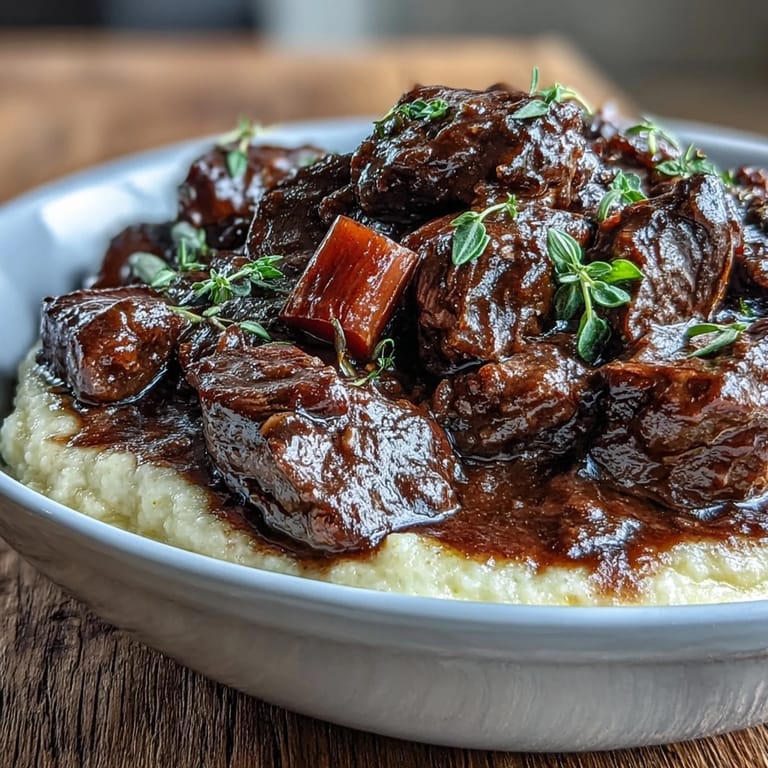
Save The first time I opened a bottle of sloe gin my neighbor had given me, I stared at it for weeks before using it. It sat on my counter like a mystery ingredient I wasn't sure belonged in food. Then one cold February afternoon, with venison in the fridge and no real plan, I splashed some into the pot on a whim. The kitchen filled with this deep, fruity warmth that made me lean over the stove and breathe it in. I've been making this stew every winter since, and that bottle is always within arm's reach now.
I made this for a small dinner party once, serving it straight from the pot onto shallow bowls of polenta. One friend, who claimed she didn't like game meat, went quiet after the first bite and then asked for seconds. By the end of the night, she was writing down the recipe on the back of a grocery receipt. That's when I realized this wasn't just a stew, it was a conversation starter, the kind of food that changes minds and fills tables with warmth.
Ingredients
- Venison shoulder or stewing venison: Use cuts meant for slow cooking, they break down beautifully and stay moist, unlike lean cuts that can dry out.
- Olive oil: A neutral base for browning the meat without overpowering the other flavors.
- Onion, carrots, celery: The classic trio that builds the foundation of the stew, adding sweetness and body as they soften.
- Garlic: Just two cloves are enough to deepen the savory backbone without taking over.
- Tomato paste: Adds umami and a slight tang, helping to balance the sweetness from the gin and jelly.
- Sloe gin: The star ingredient, it brings fruity depth and a hint of almond-like warmth from the sloes.
- Beef or game stock: Choose a rich, flavorful stock to complement the venison, homemade is best but store-bought works fine.
- Redcurrant jelly: A spoonful of this cuts through the richness and ties the fruity notes together.
- Bay leaves and thyme: Earthy herbs that infuse the stew with subtle aromatics during the long simmer.
- Juniper berries: Lightly crushed, they echo the botanicals in gin and enhance the gamey character of venison.
- Polenta: Quick-cooking works well for weeknight ease, but traditional polenta has a creamier, more luxurious texture.
- Whole milk and water: The milk makes the polenta silky and rich, while water keeps it from becoming too heavy.
- Butter and Parmesan: Stirred in at the end, they turn simple polenta into something indulgent and glossy.
Tired of Takeout? 🥡
Get 10 meals you can make faster than delivery arrives. Seriously.
One email. No spam. Unsubscribe anytime.
Instructions
- Brown the venison:
- Heat olive oil in a heavy casserole until shimmering, then sear the venison in batches without crowding the pan. You want a deep, caramelized crust on each piece, this is where the flavor starts.
- Soften the vegetables:
- Add the onion, carrots, and celery to the same pan, scraping up any browned bits from the bottom. Let them cook until they're soft and just starting to color, about 5 to 7 minutes.
- Build the base:
- Stir in the garlic and tomato paste, cooking for another minute until fragrant. This step blooms the paste and mellows its sharpness.
- Deglaze with sloe gin:
- Pour in the sloe gin and let it bubble energetically for a couple of minutes. The alcohol will cook off, leaving behind that beautiful berry sweetness.
- Simmer the stew:
- Return the venison to the pot, add stock, redcurrant jelly, herbs, juniper, salt, and pepper. Bring it to a gentle simmer, cover, and cook low and slow for 2 hours, stirring now and then until the meat is fork-tender.
- Make the polenta:
- While the stew simmers, heat milk and water in a saucepan until steaming. Gradually whisk in the polenta, stirring constantly to avoid lumps, and cook until thick and creamy.
- Finish the polenta:
- Stir in butter and Parmesan, tasting and adding salt as needed. The polenta should be smooth, rich, and just pourable.
- Serve:
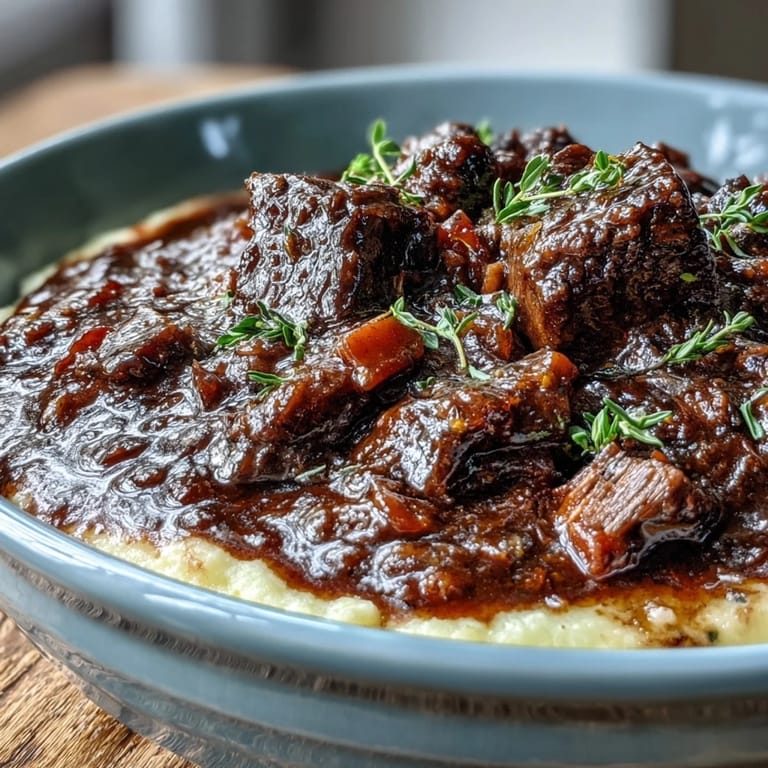
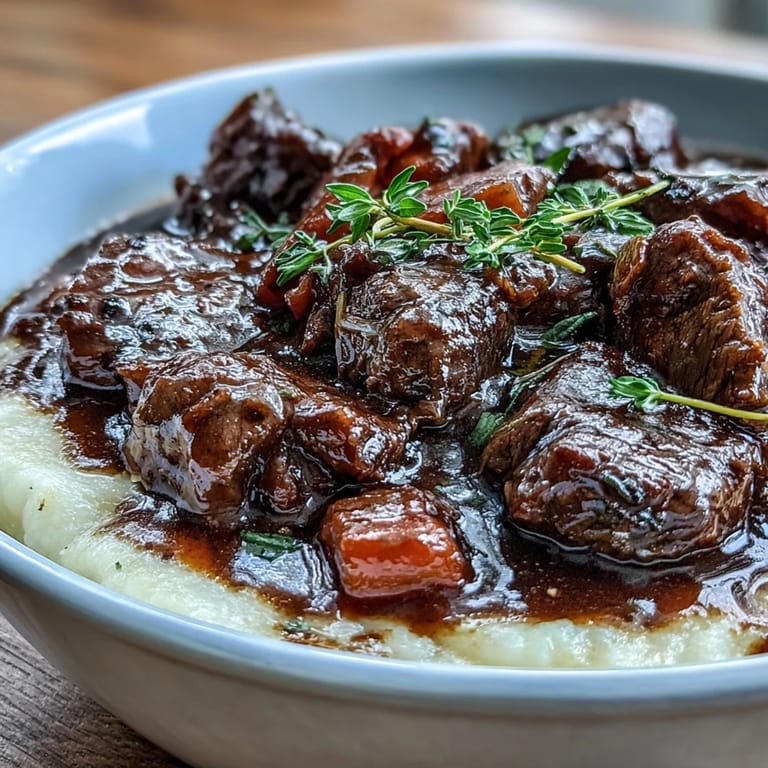
- Remove the bay leaves and thyme sprigs from the stew. Spoon creamy polenta into shallow bowls and ladle the venison stew generously over the top.
 Save
Save One snowy evening, I served this to my family after a long day of shoveling the driveway. We sat around the table in our sweaters, bowls steaming in front of us, and no one said much at first. Just the sound of spoons scraping bowls and the occasional sigh of satisfaction. My dad looked up after his second helping and said it tasted like something you'd eat in a hunting lodge. I took that as the highest compliment, even though I've never been to one.
Choosing Your Venison
Venison shoulder is my go-to because it has enough marbling to stay moist during the long braise. If you can only find leg or haunch, that works too, just make sure it's cut for stewing and not lean medallions. I once tried using backstrap thinking it would be more tender, but it turned dry and stringy. Slow-cooked stews need cuts with a bit of fat and connective tissue, they're what make the sauce silky and the meat fall-apart tender. Ask your butcher for stewing cuts if you're unsure, they'll steer you right.
Working with Sloe Gin
Sloe gin isn't overly sweet like a liqueur, it has this tart, fruity depth that works beautifully in savory dishes. If you can't find it, a good port or even a berry-flavored brandy will do in a pinch. I've substituted with red wine and a splash of cassis before, and it was delicious, just a bit less distinctive. The key is to let it reduce slightly after adding it to the pot, so the alcohol cooks off and the flavors concentrate. Don't worry about using the expensive stuff, mid-range sloe gin works perfectly for cooking.
Serving and Storing
This stew tastes even better the next day, after the flavors have had time to meld and deepen. I make it a day ahead for dinner parties and just reheat it gently on the stovetop. The polenta, though, is best made fresh since it thickens and solidifies as it cools. If you do have leftover polenta, spread it in a dish, chill it, then slice and pan-fry the pieces in butter for a crispy side the next night. Garnish the stew with fresh parsley or thyme right before serving for a pop of color and brightness.
- Store leftover stew in an airtight container in the fridge for up to 3 days.
- Reheat gently on the stovetop, adding a splash of stock if it's too thick.
- Freeze the stew (without polenta) for up to 3 months, thaw overnight in the fridge before reheating.
 Save
Save There's something deeply satisfying about a dish that transforms humble ingredients into something this elegant and warming. Every time I make it, I'm reminded that the best meals don't need to be complicated, they just need time, care, and maybe a little bit of mystery from a bottle you weren't sure how to use.
Your Questions Answered
- → Can I substitute the venison with another meat?
Yes, beef chuck or lamb shoulder work well as alternatives. Both require similar braising times to achieve tender results. Adjust seasoning as needed since venison has a more robust, gamey flavor.
- → What can I use instead of sloe gin?
Port, red wine, or berry liqueurs like cassis make excellent substitutes. Each adds depth and sweetness to the stew. Use the same quantity and follow the reduction step for best results.
- → Can I make this stew ahead of time?
Absolutely. The stew actually improves when made a day ahead as flavors deepen overnight. Store refrigerated and reheat gently. Prepare fresh polenta just before serving for the best creamy texture.
- → How do I know when the venison is properly cooked?
The meat should be fork-tender and easily pull apart after the full two hours of gentle simmering. If still tough, continue cooking in 15-minute intervals, adding stock if needed to prevent drying.
- → Can I use instant polenta instead of regular?
Yes, quick-cooking polenta works perfectly and reduces preparation time significantly. Follow package directions but maintain the butter and Parmesan additions for rich, creamy results.
- → What wine pairs best with this dish?
Full-bodied reds like Shiraz, Cabernet Sauvignon, or Malbec complement the rich venison beautifully. The wine's tannins balance the meat's intensity while matching the dish's robust flavors.