 Save
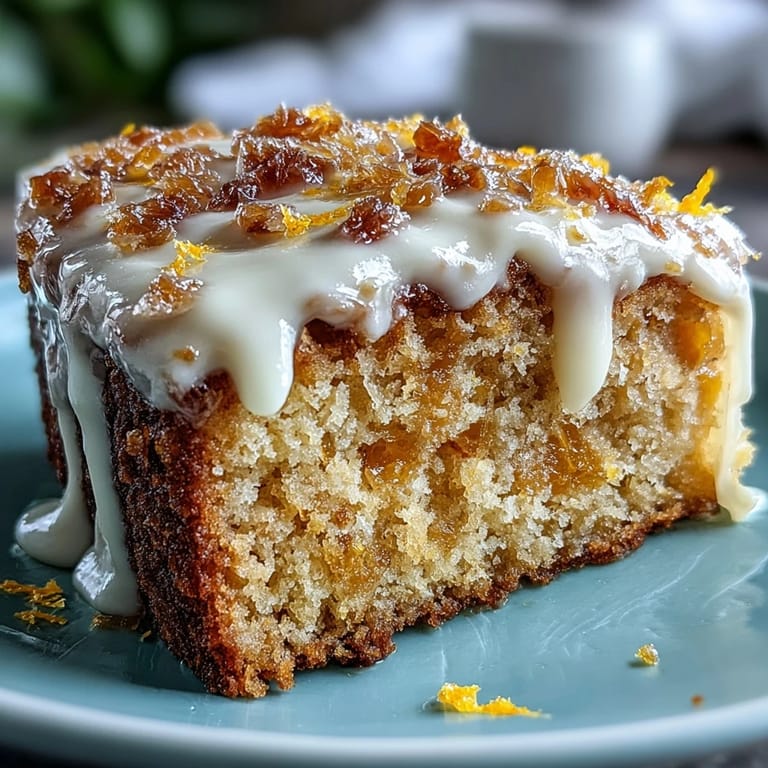
Save My kitchen smelled like a citrus grove the morning I sliced into my first blood orange. The deep crimson streaks beneath the peel looked almost too beautiful to eat, but I tossed the segments into my yogurt anyway. Later that week, I wanted that same brightness baked into something I could share, and this cake was born from that craving. It turned out tender, golden on the edges, and streaked with that unmistakable ruby hue. I've made it a dozen times since, each one just as surprising as the first.
I brought this to a potluck once, still warm in the pan, and someone asked if I'd ordered it from a bakery. That felt better than any compliment about the taste. The cake disappeared in under ten minutes, and I left with three requests for the recipe scribbled on napkins. Now I bake it whenever I want to feel a little proud without spending all afternoon in the kitchen.
Ingredients
- All-purpose flour: The backbone of the crumb, measure it by spooning into the cup and leveling off so the cake stays light.
- Baking powder: Fresh powder is key, I learned this when a stale tin left my cake flat and dense.
- Salt: Just enough to wake up the sweetness without tasting savory.
- Plain Greek yogurt: Use full-fat for the richest texture, low-fat works but the crumb wont be as tender.
- Granulated sugar: Creams beautifully with the yogurt and balances the tart citrus.
- Eggs: Room temperature eggs blend smoother and create a more even rise.
- Blood orange zest: The oils in the zest carry more flavor than the juice alone, so dont skip the zesting step.
- Blood orange juice: Freshly squeezed is worth it, bottled juice tastes flat in comparison.
- Vanilla extract: A warm undertone that rounds out the citrus without competing.
- Coconut oil: Melted and cooled, it adds moisture and a subtle tropical note that complements the orange.
- Powdered sugar: Sift it or the icing will have lumps no amount of whisking can fix.
Tired of Takeout? 🥡
Get 10 meals you can make faster than delivery arrives. Seriously.
One email. No spam. Unsubscribe anytime.
Instructions
- Prep your pan:
- Butter every corner and dust with flour, or line it with parchment for foolproof release. I once skipped this and had to scoop out cake in chunks.
- Mix the dry base:
- Whisk flour, baking powder, and salt in a bowl until no clumps remain. This ensures even rise and prevents pockets of raw flour.
- Blend yogurt and sugar:
- Whisk them together until the sugar dissolves and the mixture looks pale and creamy. This step aerates the batter just enough.
- Add eggs and citrus:
- Whisk in eggs one at a time, then stir in zest, juice, and vanilla until smooth. The batter will smell incredible at this point.
- Fold in the flour:
- Add the dry ingredients gently, stirring only until streaks disappear. Overmixing makes the cake tough and chewy.
- Incorporate the oil:
- Pour in the cooled coconut oil and fold until just combined. The batter will loosen and turn glossy.
- Fill and smooth:
- Pour into the pan and tap it on the counter to release air bubbles. Smooth the top with a spatula for an even bake.
- Bake to golden:
- Slide it into the oven and set a timer for 50 minutes. The top should spring back when touched and a toothpick should come out clean.
- Cool in stages:
- Let it rest in the pan for 10 minutes, then turn out onto a rack. Icing a warm cake will melt into a sticky mess.
- Whisk the icing:
- Combine powdered sugar, juice, and zest until smooth and pourable. If its too thick, add juice by the teaspoon.
- Drizzle and set:
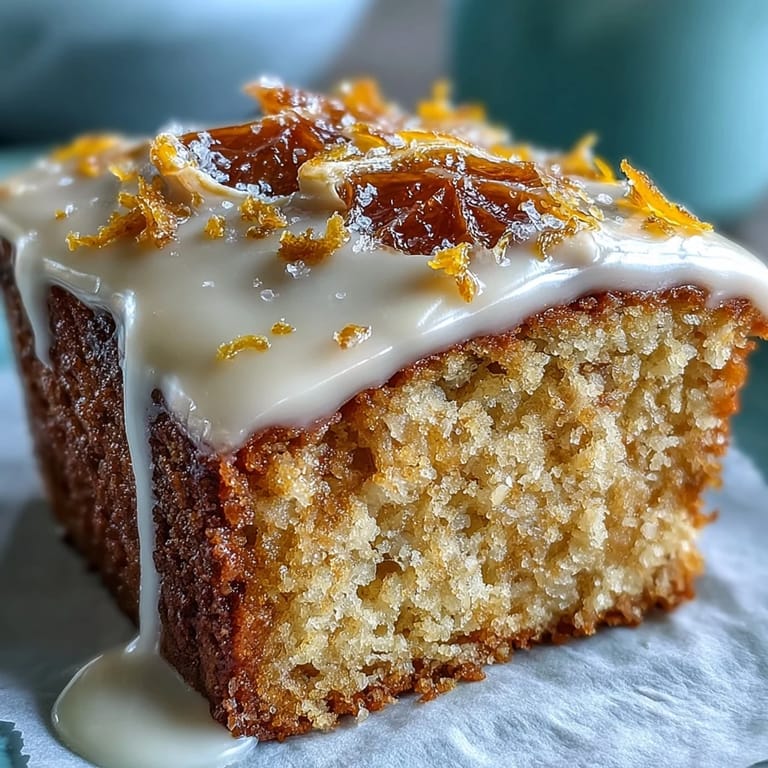
- Pour the icing over the cooled cake in slow zigzags. Let it sit for 20 minutes to harden into a shiny glaze.
 Save
Save The first time I served this, my neighbor took one bite and closed her eyes. She said it tasted like sunshine in January, which is exactly what blood orange season feels like. We sat at my kitchen table with thick slices and hot coffee, and she told me about her grandmother's lemon cake. I realized then that citrus desserts carry memories better than almost anything else.
Choosing Your Blood Oranges
Look for fruit that feels heavy for its size, a sign of juiciness inside. The skin color can range from blushed orange to deep burgundy, but the real magic is hidden under the peel. I once bought a bag of pale ones that turned out intensely red and sweet, so dont judge by the outside alone. If blood oranges are out of season, regular navel oranges work, though youll lose that ruby color and slight berry note.
Making It Ahead
This cake actually tastes better the next day after the flavors meld and the crumb settles. I bake it in the evening, let it cool overnight on the counter, and ice it in the morning before guests arrive. Wrap it tightly in plastic wrap and it will stay moist for two days at room temperature. If you need longer storage, refrigerate it, but let slices come to room temperature before serving so the texture softens.
Serving Suggestions
I love this cake plain with morning coffee, but it shines at brunch with a dollop of whipped cream and fresh berries. The icing is sweet enough that you dont need much else, though a sprinkle of extra zest on top adds a pop of color. Once I served it with vanilla ice cream and warm berry compote, and it felt like a restaurant dessert.
- Dust with powdered sugar instead of icing for a simpler finish.
- Add a handful of poppy seeds to the batter for texture and visual interest.
- Serve with Greek yogurt on the side to echo the flavor in the cake.
 Save
Save This cake has become my answer to gray days and last minute dinner invitations. It never lets me down, and it always makes people smile.
Your Questions Answered
- → Can I use regular oranges instead of blood oranges?
Yes, you can substitute navel or Valencia oranges. The flavor will be slightly less tart and the cake won't have the beautiful red-pink hue, but it will still be delicious.
- → How should I store this cake?
Store covered at room temperature for up to 2 days, or refrigerate for up to 5 days. The cake stays incredibly moist thanks to the Greek yogurt. Bring to room temperature before serving for the best texture.
- → Can I make this gluten-free?
You can try substituting the all-purpose flour with a 1:1 gluten-free flour blend. The texture may be slightly different, but the flavor will remain delicious. Ensure all other ingredients are certified gluten-free.
- → Can I freeze this cake?
Yes! Wrap the cooled cake tightly in plastic wrap and aluminum foil, then freeze for up to 3 months. Thaw overnight in the refrigerator. Add the icing after thawing for the freshest appearance.
- → Why use Greek yogurt in baking?
Greek yogurt adds moisture, tenderness, and a subtle tang that enhances the citrus flavors. Its thick texture creates a denser, more satisfying crumb while keeping the cake incredibly moist without adding excess fat.
- → Can I use butter instead of coconut oil?
Absolutely! Melted unsalted butter works perfectly as a substitute. Use the same amount (1/2 cup or 120 ml). The flavor will be richer and more traditional, though slightly less tropical.