 Save
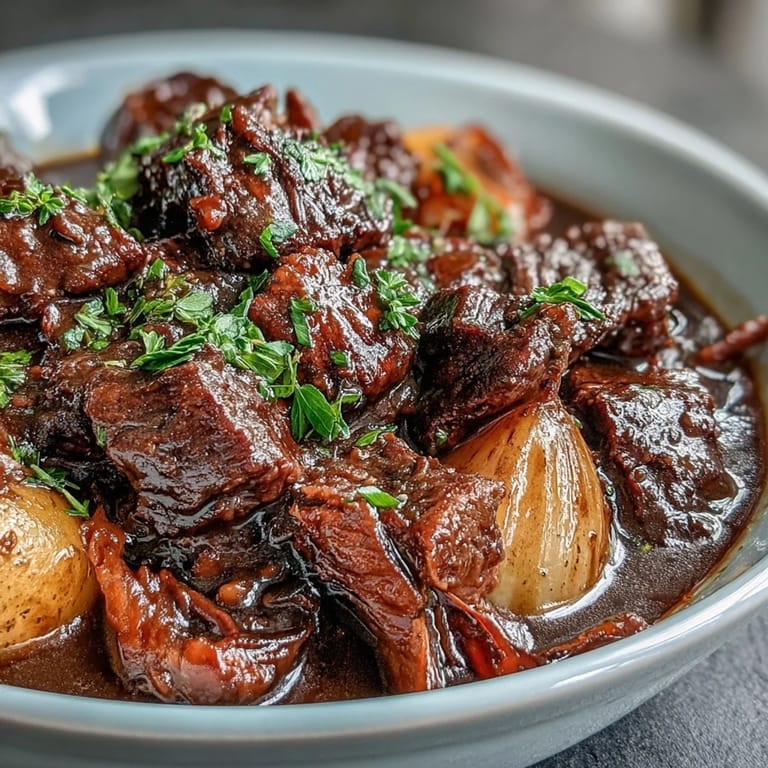
Save There's something about watching a pot of Guinness stew bubble away on a Sunday afternoon that makes everything feel slower and warmer. My friend Sean brought a bottle over one November, insisting we make something proper with it, and I realized halfway through browning the beef that this wasn't going to be your average weeknight stew. The kitchen filled with this deep, almost chocolate-like aroma, and by the time the barley had softened into the broth, I understood why people talk about Irish stews like they're treasures.
I made this for my sister the first time she came back after moving away, and she sat at the kitchen counter just eating spoonful after spoonful while we caught up. The barley had this tender, almost creamy texture by that point, and the beef fell apart at the slightest touch of a spoon. She asked for the recipe before she left, and I knew then this was the kind of dish that becomes a permanent part of how people remember you.
Ingredients
- Beef chuck (2 lbs, cut into 1-inch cubes): This cut has enough marbling and connective tissue that it breaks down into pure tenderness after two hours of simmering—don't use a leaner cut or you'll end up with tough little nuggets instead.
- Olive oil (2 tablespoons): Just enough to coat the pot and get a proper sear on the beef, which builds flavor through browning.
- Yellow onion, garlic, carrots, parsnips, celery (diced and minced): This is your flavor foundation, and the parsnips add a subtle sweetness that balances the beer's earthiness in ways you won't expect.
- Potatoes and rutabaga (diced): Potatoes thicken the stew naturally as they break down, while rutabaga brings an almost nutty mineral quality that deepens the whole dish.
- Tomato paste (1 tablespoon): One tablespoon is enough to add umami and richness without making the stew taste tomatoey—this is the move many people miss.
- Pearl barley (3/4 cup, rinsed): Rinsing removes the excess starch, so your stew stays brothy instead of turning into porridge, and the barley absorbs all those flavors as it cooks.
- Guinness stout (one 440 ml can or bottle): The beer mellows during cooking, leaving behind its complex, almost molasses-like notes without any harsh alcohol taste.
- Beef broth and water (4 cups broth, 1 cup water): Using mostly broth keeps the flavor concentrated, while the water prevents it from becoming overly salty or intense.
- Salt, pepper, thyme, rosemary, bay leaves, Worcestershire sauce: These work together to create depth—don't skip the bay leaves, and definitely taste at the end because salt amounts vary with different broths.
Tired of Takeout? 🥡
Get 10 meals you can make faster than delivery arrives. Seriously.
One email. No spam. Unsubscribe anytime.
Instructions
- Get your pot and oil ready:
- Heat a large Dutch oven or heavy pot over medium-high heat until you can feel the warmth radiating from it, then add the olive oil. You want it shimmering and almost smoking slightly—that's how you know it's hot enough for a proper sear.
- Brown the beef in batches:
- Pat the beef cubes dry with paper towels (this helps them brown instead of steam), season each batch with salt and pepper, then lay them flat on the hot surface. Don't move them around constantly—let them sit undisturbed for about two minutes per side so they develop a golden crust. You'll know they're ready to flip when they release easily from the pot. Transfer each finished batch to a plate and don't worry if they're not cooked through; that happens in the broth.
- Sauté the vegetables:
- In that same pot (all those browned bits are flavor gold), add the diced onion and let it soften for a few minutes until it turns translucent. Toss in the garlic and let it wake up for about 30 seconds—you'll smell it immediately—then add the carrots, parsnips, celery, potatoes, and rutabaga. Stir everything around for about five minutes so the vegetables start to release their juices and the pot becomes this fragrant, colorful pile.
- Wake up the tomato paste:
- Push the vegetables to the sides and add the tomato paste directly to the exposed pot surface, stirring it constantly for about a minute. This step, called blooming, concentrates the flavors and prevents the paste from tasting raw or flat in the finished stew.
- Bring everything together:
- Return the browned beef to the pot, then add the rinsed barley, the entire can of Guinness (yes, all of it), the beef broth, water, thyme, rosemary, bay leaves, and Worcestershire sauce. Stir everything so nothing sticks to the bottom, and you'll see the pot transform into this deep mahogany color that promises something delicious.
- Simmer low and slow:
- Bring the whole thing to a boil—you'll see big rolling bubbles—then reduce the heat to low and cover the pot. Let it simmer gently for 1.5 to 2 hours, stirring every 20 minutes or so. The beef should be fork-tender, the barley should have softened completely, and the broth should taste rich and complex, like it's been developing flavor for years instead of hours.
- Finish and taste:
- Remove the bay leaves (they'll float right to the top), then taste a spoonful. Adjust the salt and pepper as needed—broth brands vary, so this step matters. If you want a thicker stew, mash some of the potatoes and vegetables against the side of the pot with your spoon.
- Serve with intention:
- Ladle the stew into bowls, top with fresh parsley if you have it, and serve with crusty bread for soaking up every last drop of broth. The heat should still be rising from the bowl when you set it down.
 Save
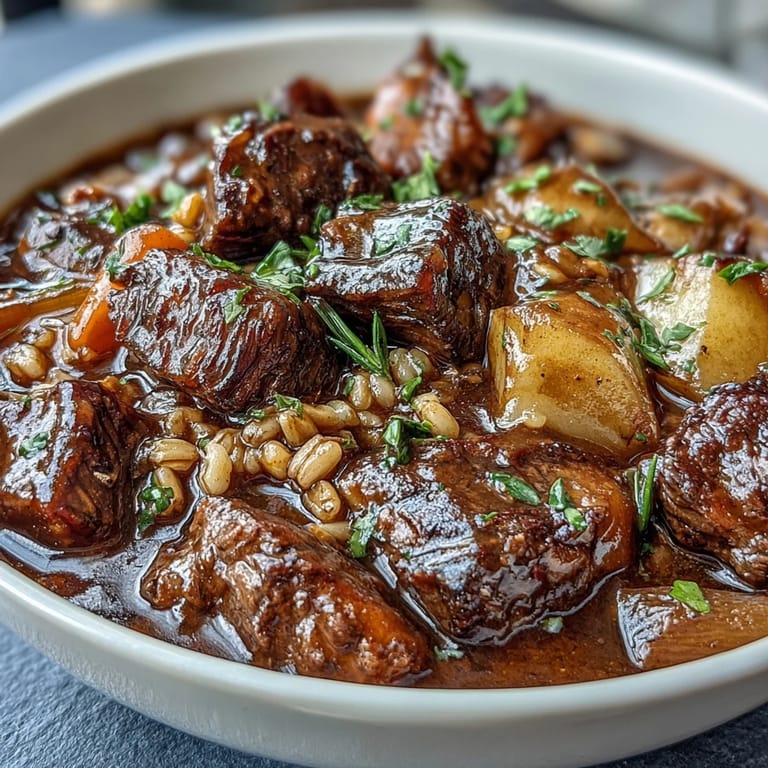
Save My neighbor stopped by the kitchen one evening while I was reheating a batch of this stew, and the smell of it pulled her right to the table. She ended up staying for dinner, and we talked for hours about why certain foods feel like they bridge something between people. This stew does that—it's humble enough to feel unpretentious, but it tastes like you actually cared about making something good.
About the Beer and the Broth
The Guinness might seem like it's the main event, but it's actually a supporting actor in a much larger flavor story. What happens during cooking is that the alcohol burns off within the first 10 minutes of simmering, but the complex roasted, slightly sweet character of the stout stays behind and melds with the beef broth. It's similar to how a dark chocolate doesn't taste overtly chocolate-like in something savory—it just makes everything taste deeper and more interesting. If you don't want to use Guinness, another stout or porter works fine, or you can simply use an extra cup of beef broth (this makes it lighter, which some people prefer). The Worcestershire sauce pulls a similar job, adding umami and a subtle tangy note that makes you want another spoonful without being able to pinpoint exactly what you're tasting.
The Vegetables That Matter Most
People often think all root vegetables function the same way in a stew, but they actually have different personalities. Carrots add sweetness and stay relatively firm even after long cooking, parsnips bring an earthier, almost anise-like undertone that's distinctly different from carrot sweetness, and rutabaga or turnip adds a mineral quality that prevents the whole pot from tasting one-note and sweet. The potatoes are quietly essential because they dissolve slightly at the edges during cooking, naturally thickening the broth without any flour or cornstarch. If you want to customize this, you can swap in sweet potato (though add it later so it doesn't turn to mush), parsnips, or celeriac. One thing to remember: cut everything to roughly the same size so it all finishes cooking at roughly the same time.
Why Barley is Actually Better Than Potatoes Alone
Barley adds texture and substance in a way that potatoes can't quite match on their own. As it cooks, it absorbs the broth and develops this creamy, tender quality while still keeping a slight grain to it that feels good in your mouth. It also adds a subtle nuttiness that bridges between the earthy vegetables and the rich beef and beer. Many people think of barley as an old-fashioned ingredient, but once you taste how it transforms a stew, you'll understand why it's been used in Irish and Scottish cooking for centuries. If you truly can't find or don't want barley, you can use more potatoes or even add some wild rice, but the flavor won't quite be the same.
- Always rinse pearl barley before adding it to prevent the stew from becoming thick and gluey.
- Barley continues to absorb liquid even after cooking, so if you're storing leftovers, the stew will thicken over time—just add water or broth when reheating.
- Cook barley in the stew itself rather than separately; it absorbs all those flavors while it softens.
 Save
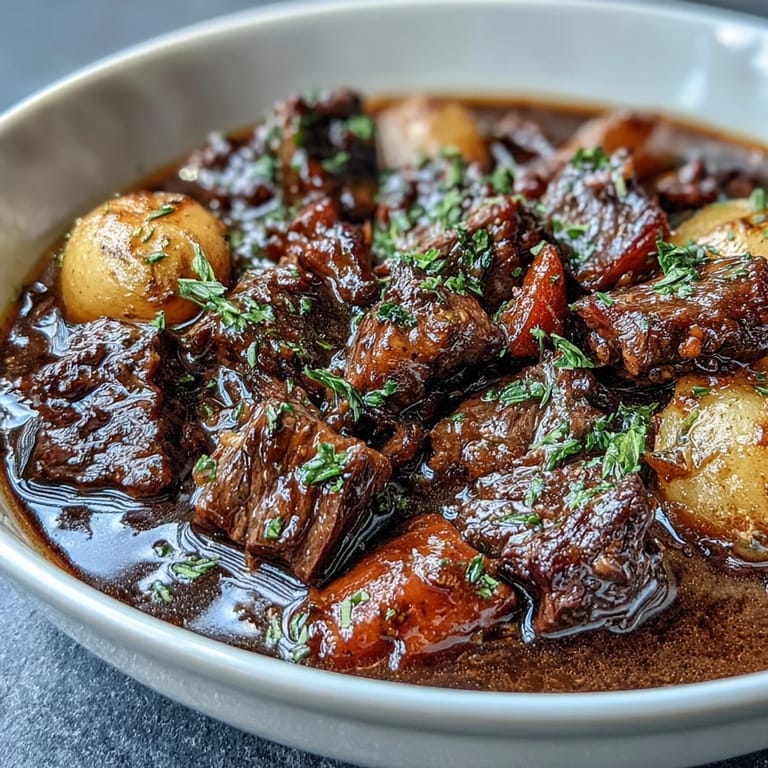
Save This is the kind of stew that becomes part of your cooking rotation because it never disappoints and it always tastes like you put in more effort than you actually did. Make it on a day when you need something grounding and warm.
Your Questions Answered
- → Can I substitute Guinness for a non-alcoholic option?
Yes, you can replace Guinness with extra beef broth or a malt-based non-alcoholic stout to maintain depth without alcohol.
- → How do I thicken the stew if it’s too thin?
Mash some of the cooked potatoes and root vegetables against the pot’s side before stirring to naturally thicken the stew.
- → What cut of beef works best for this dish?
Beef chuck cut into cubes is ideal as it becomes tender and flavorful during slow cooking.
- → Can other root vegetables be added?
Absolutely, sweet potatoes, celeriac, or other root veggies can be included to add variety and texture.
- → Is it better to let the stew rest before serving?
Letting the stew sit overnight enhances the flavors, making it even more delicious when reheated.