 Save
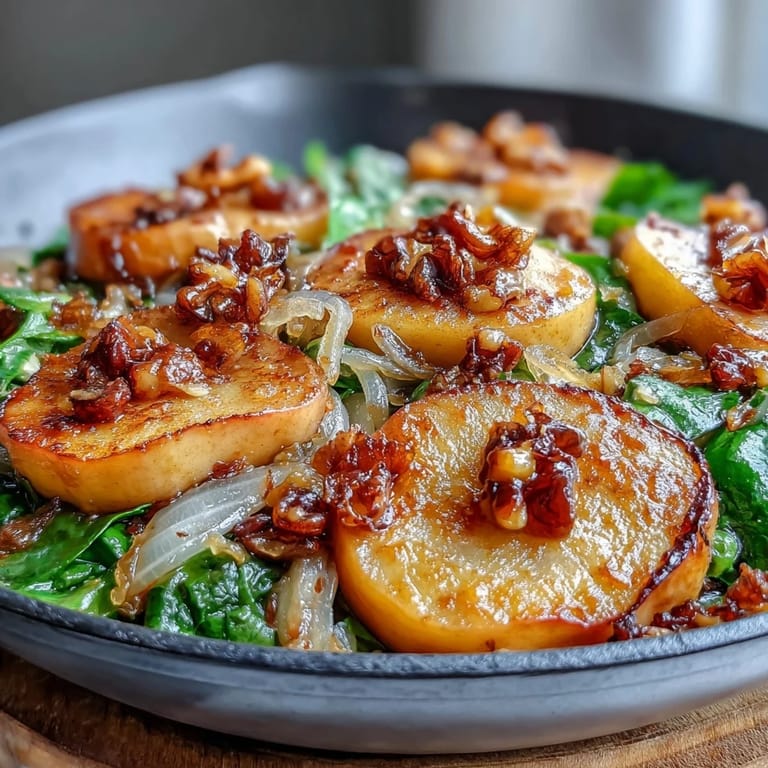
Save My neighbor knocked on the door one October evening with a jar of homemade sauerkraut and a knowing smile—she'd been fermenting it all summer and needed someone brave enough to use it. That night, I stood in my kitchen with apples from the farmers market and wondered what to do with both gifts. The moment the first slice hit the hot butter and the kitchen filled with that caramelized apple sweetness mixing with tangy fermented notes, something clicked. This warm salad became the bridge between her preserving tradition and my need for something that felt both nourishing and unexpectedly fun to eat.
I made this for my sister's potluck last spring when everyone brought their standard casseroles and mayo-heavy salads. The moment I set down my warm skillet, heads turned—the aroma was just different, almost unfamiliar to most people there. She took one bite, paused, and asked for the recipe before trying anything else. That's when I knew this wasn't just a side dish; it was a quiet way to introduce someone to flavors that feel more alive.
Ingredients
- 2 large apples (Honeycrisp or Gala): These varieties hold their shape and develop a deeper sweetness when caramelized, unlike mealy apples that turn to mush in the skillet.
- 1 small red onion: The natural sugars in red onions intensify with heat and add a subtle purple hue that makes the whole dish look alive on the plate.
- 2 cups sauerkraut, drained: This is your probiotic powerhouse; draining it prevents the salad from becoming watery, though I always reserve a tablespoon of that brine for backup flavor.
- 2 cups baby spinach or arugula: The heat wilts these greens just enough to soften them while keeping their nutritional punch intact.
- 2 tbsp olive oil or unsalted butter: Butter creates a richer caramelization, while olive oil keeps it lighter—choose based on your mood that day.
- 1/4 tsp freshly ground black pepper: Fresh grinding matters more here than you'd think because the warmth of the skillet releases those volatile oils right when you need them.
- 1/4 tsp sea salt: Taste as you go because sauerkraut brings its own salinity, and you might need less than expected.
- 1/4 tsp ground caraway seeds (optional): This is your secret weapon if you want authentic European notes; skip it for a cleaner, brighter version.
- 1 tsp honey or maple syrup: This bridges the gap between salty-sour and the natural apple sweetness, creating harmony on your tongue.
- 1/4 cup toasted walnuts or pecans: Toasting them yourself (even in a dry pan for five minutes) makes them taste twice as nutty and adds textural contrast that makes each bite interesting.
- 2 tbsp fresh parsley: Fresh herbs scattered at the end add brightness and prevent the finished dish from looking heavy.
Tired of Takeout? 🥡
Get 10 meals you can make faster than delivery arrives. Seriously.
One email. No spam. Unsubscribe anytime.
Instructions
- Heat your skillet and start the apples:
- Set a large skillet over medium heat and add your fat of choice, letting it warm until it shimmers and smells toasty. Toss in your apple and onion slices, then listen for that gentle sizzle that tells you the temperature is right.
- Build the golden layer:
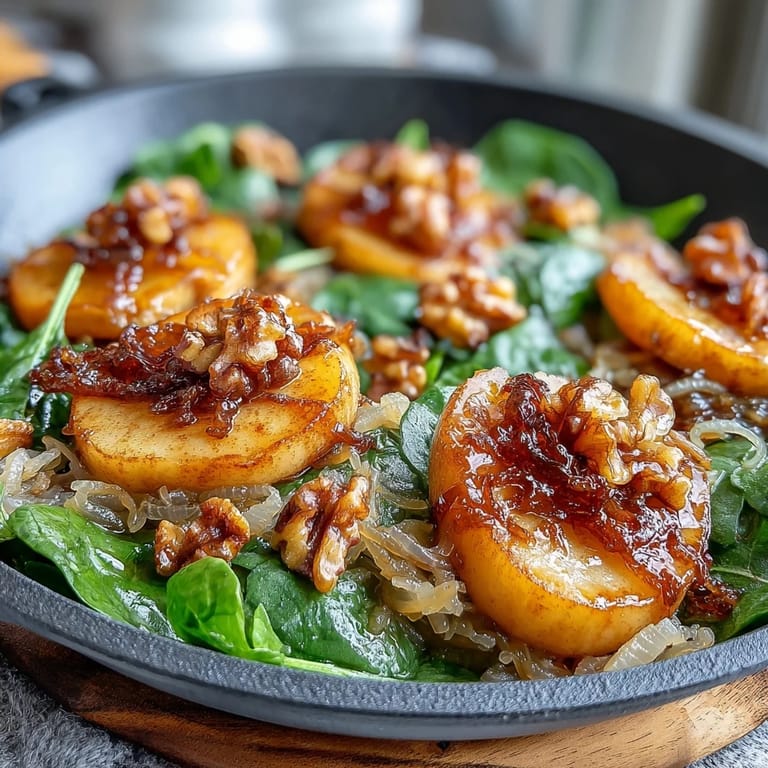
- Stir occasionally as the apples soften and begin to take on a honey-colored edge, about 6 to 8 minutes—this is where all the magic of sweetness happens. When the apples feel tender and the onions have turned translucent, you're at the perfect moment.
- Deglaze and season:
- Drizzle your honey or maple syrup over the warm apples, sprinkle with caraway seeds if you're using them, then add salt and pepper. Stir everything together for just one minute so the flavors marry, then taste a piece of apple to check the balance.
- Bring in the sauerkraut gently:
- Reduce the heat to low and fold in your drained sauerkraut, stirring just enough to warm it through for 2 to 3 minutes—you're not trying to cook it further, just introduce it to the warmth. The skillet should smell like a European picnic at this point.
- Finish with fresh greens:
- Remove from heat and gently toss in your baby spinach or arugula, letting the residual warmth wilt the leaves without making them collapse into mush. You want them still holding their shape but softened enough to be pleasant.
- Compose your plate:
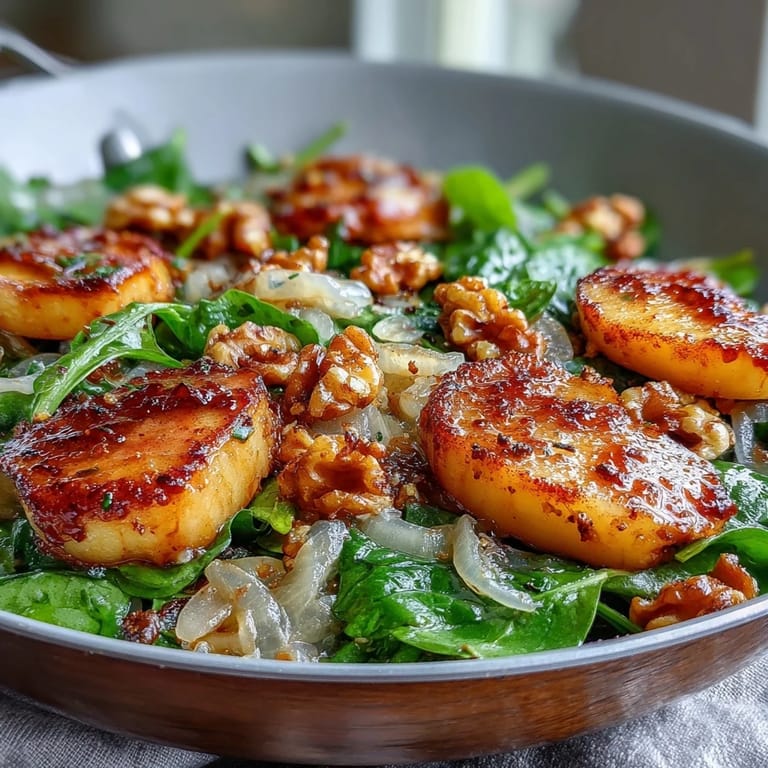
- Transfer everything to a serving platter and crown it with your toasted nuts and fresh parsley, which adds color and a reminder that this dish celebrates both tradition and freshness. Serve while still warm, or let it cool to room temperature—both versions are delicious.
 Save
Save What surprised me most was how often people came back for seconds, even the ones who said they didn't like sauerkraut. There's something about the warmth and the sweet-tangy balance that makes people trust this dish enough to reconsider their assumptions about fermented foods.
When Sauerkraut Becomes Your Secret Ingredient
Growing up, I thought sauerkraut belonged only on hot dogs or traditional German plates, filed away in a very specific category. Then I learned it's actually a flavor amplifier—the acidity and umami it brings make everything around it taste more like itself. In this salad, it's not the star announcing itself loudly; it's the supporting actor that makes the apples taste sweeter and the walnuts taste nuttier. Once you understand that dynamic, you start seeing fermented vegetables differently, less as a health trend and more as a kitchen tool.
Timing Is Everything with Warm Salads
There's a narrow window where everything in this skillet feels right—apples warm but not mushy, sauerkraut heated but still crisp, greens just beginning to soften. I learned this the hard way by making it ahead of time and letting it sit, only to find that the greens had turned gray and everything had melded into a confusing texture. Now I prep everything first, then cook it in reverse order so I'm hitting that finish line exactly when I'm ready to serve. It's actually faster and more satisfying than it sounds.
Make It Your Own
The beauty of this recipe is that it invites improvisation once you understand the core structure. I've added shredded fennel for anise notes, splashed in apple cider vinegar at the end for brightness, swapped the walnuts for sunflower seeds when someone had an allergy, and even tried adding thinly sliced radishes for crunch. Each version tells a different story about what was available that day or what mood I was cooking in. The framework stays solid, but the details are yours to play with.
- A spoonful of whole grain mustard stirred in during the honey step adds a subtle sharpness that some people prefer.
- If you're making this for a main course rather than a side, a fried egg on top turns it into something people will ask about for months.
- Leftovers warm up beautifully, though it's never quite the same magic—better to make it fresh when you have time.
 Save
Save This warm apple and sauerkraut salad taught me that food traditions don't have to stay locked in their original form—they evolve when you cook with curiosity. Every time I make it, someone discovers that they actually like sauerkraut, and that feels like a small victory.
Your Questions Answered
- → What makes apples and sauerkraut work well together?
The natural sweetness of caramelized apples balances the tangy, fermented flavor of sauerkraut, creating a complementary sweet-savory profile. This classic European pairing has been enjoyed for generations, particularly in German and Eastern European cuisines where fruit often accompanies fermented vegetables.
- → Can I make this dish ahead of time?
While best served warm or at room temperature, you can prepare the apple and sauerkraut mixture up to 2 days in advance. Reheat gently over low heat, then toss in fresh greens just before serving to maintain their texture and vibrant color.
- → What type of apples work best for this skillet?
Honeycrisp or Gala apples are ideal because they hold their shape during cooking while developing a lovely golden color. Other firm, sweet-tart varieties like Braeburn, Fuji, or Pink Lady also work beautifully. Avoid very soft apples that may turn mushy when sautéed.
- → Is this suitable for meal prep?
Absolutely! The apple and sauerkraut mixture reheats beautifully for lunches throughout the week. Store components separately—keep the toasted nuts and fresh greens aside, then combine just before eating. The flavors actually develop and meld even better after a day or two in the refrigerator.
- → What main dishes pair well with this warm skillet?
This versatile side complements roasted pork, sausages, bratwurst, or roasted chicken beautifully. It also pairs wonderfully with roasted potatoes or can stand alone as a light vegetarian main. The tangy-sweet profile cuts through rich meats, making it an excellent counterpoint to hearty entrées.
- → Can I omit the caraway seeds?
Yes, caraway seeds are completely optional. They add authentic European flavor that complements both sauerkraut and apples, but the dish remains delicious without them. Try adding fresh dill or a splash of apple cider vinegar as an alternative flavor enhancer.