 Save
Save The first time I truly understood döner was standing in a cramped Istanbul kitchen at dawn, watching a cook layer paper-thin meat onto a vertical spit with the precision of a jeweler. Each slice got a whisper of that golden-brown char, and the fat melted into rivers of flavor. That moment sparked an obsession—I spent months figuring out how to capture that magic without a rotisserie, testing ovens and skewers in my own kitchen until I found a method that actually works.
I made this for a dinner party once, and a friend who'd lived in Ankara for years went quiet after her first bite, then asked for the recipe—that's when I knew the flavors were right. She later told me it reminded her of late-night street food runs with her cousins, which made the whole effort feel worth it.
Ingredients
- Boneless lamb shoulder or beef sirloin, thinly sliced (1 kg): Lamb shoulder gives you that rich, deep flavor traditionalists expect, but beef sirloin works beautifully too and costs less—slice it as thin as you can manage, almost translucent.
- Lamb fat or beef fat, thinly sliced (100 g, optional): This is what creates those pockets of golden richness and prevents the meat from drying out; if you skip it, your döner will still be good, just less luscious.
- Plain Greek yogurt (150 g): The secret weapon that tenderizes the meat while it marinates; don't use flavored yogurt, and don't skip this step.
- Olive oil (3 tbsp): Use something you actually like drinking, not the cheapest bottle, because it matters here.
- Garlic (3 cloves, minced) and grated onion (1 large, juice squeezed out): The grated onion sounds odd until you taste how it dissolves into the marinade creating a savory backbone; squeeze out the juice so the meat doesn't get watery.
- Ground cumin, ground coriander, sweet paprika, smoked paprika (2 tsp each cumin and coriander, 2 tsp sweet, 1 tsp smoked): These four spices are the heartbeat of döner—the combination is what makes people ask what on earth you did to make it taste like this.
- Ground black pepper (1 tsp), salt (1½ tsp), ground cinnamon (½ tsp), chili flakes (½ tsp, optional): The black pepper and cinnamon might seem strange together, but they create a warmth that makes people keep eating; the chili flakes add a gentle kick if you want it.
Tired of Takeout? 🥡
Get 10 meals you can make faster than delivery arrives. Seriously.
One email. No spam. Unsubscribe anytime.
Instructions
- Build your marinade:
- Whisk together the yogurt, olive oil, minced garlic, grated onion, and all the spices in a large bowl until smooth. The mixture should smell incredible—if it doesn't, taste and adjust the spices now because this is your only chance.
- Coat the meat:
- Add your thinly sliced meat and fat into the marinade and turn everything gently until every slice is covered in that golden paste. Don't be rough about it; these thin slices bruise easily.
- Let time do the work:
- Cover the bowl and slide it into the fridge for at least 4 hours, though overnight is genuinely better. The yogurt will slowly break down the meat's fibers, making it incredibly tender.
- Heat your oven or rotisserie:
- Set your oven to 200°C (400°F), or prepare your rotisserie if you're lucky enough to have one. If you're using an oven, put a baking tray on the lower rack to catch all those precious drippings.
- Build your döner stack:
- Thread the marinated meat tightly onto metal skewers, pressing down as you go to create a compact, almost solid column. You want the slices to fuse as they cook—if using a loaf pan instead, layer the meat tightly, pressing each layer down before adding the next.
- Roast with attention:
- Place your skewered meat on a rack over the tray and roast for about an hour, stopping occasionally to baste it with the pan juices that pool below. This is when your kitchen will start smelling like something special.
- Get that crust:
- For the last 15 minutes, crank the heat to 220°C (430°F) to deepen the brown exterior and caramelize the edges. Watch it closely so you get golden, not burnt.
- Rest and slice:
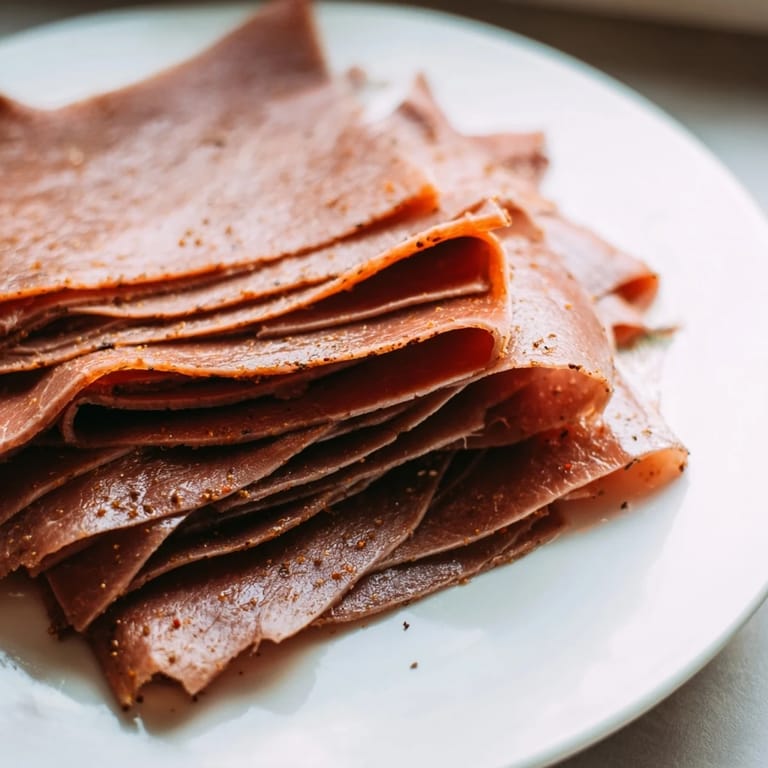
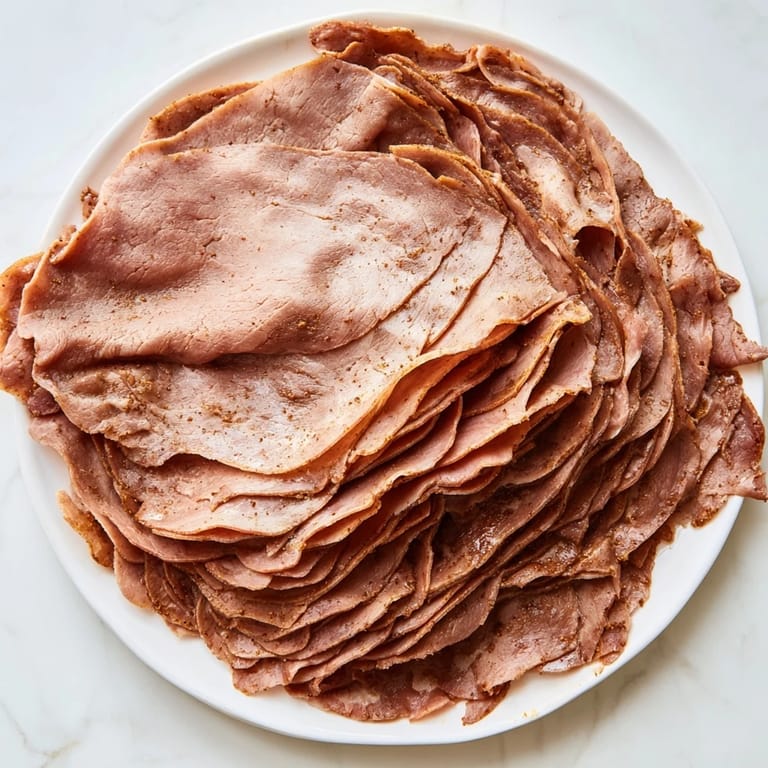
- Pull it from the oven and let it sit for 10 minutes—this matters more than you'd think because it lets the juices settle back into the meat. Then, using your sharpest knife, slice it paper-thin and serve immediately while it's still warm.
 Save
Save There's a moment when you slice into that döner for the first time and see how the layers have melded into something unified and beautiful—that's when you realize you've made something that tastes like respect for a dish. It stops being just food and becomes a small adventure on your plate.
Why the Vertical Spit Actually Matters
Traditional döner is cooked on a vertical rotisserie where gravity does half the work, causing fat and juices to cascade down the stack continuously. In a home oven, you're mimicking that by layering and basting, which works, but it's not identical—that said, many döner lovers will tell you that homemade versions often taste better because you control every element. If you ever find yourself with access to a proper rotisserie or vertical grill at a Turkish restaurant supply shop, that's the gold standard, but don't let perfectionism stop you from making this now.
Building Your Perfect Wrap
The assembly is half the pleasure—warm your flatbread directly over a flame or in a pan so it gets a little char and pliability. Lay down your lettuce first as a base that catches juices, then add the sliced döner while it's still warm, pile on the tomatoes and onions, add a cucumber slice or two, and finish with a generous dollop of yogurt sauce or garlicky mayo.
Storage and Making It Ahead
Leftover döner keeps beautifully in the fridge for 3 days, though it tastes best served the day you make it. Reheat gently in a low oven or a pan over medium-low heat rather than microwaving, which will make the meat tough and unpleasant. You can also prepare the marinade and meat the night before, giving yourself extra time on cooking day, and if you're really planning ahead, you can marinate the meat for up to 24 hours without any problems.
- Make the marinade fresh if you're cooking within a day, but if you want to prep further ahead, you can freeze the marinated meat for up to 3 weeks.
- Pair this with Ayran, that tangy yogurt drink from Turkey, or a crisp white wine to cut through the richness.
- If you're cooking for a crowd, you can make two batches back-to-back, and the second batch will cook slightly faster once your oven is fully heated.
 Save
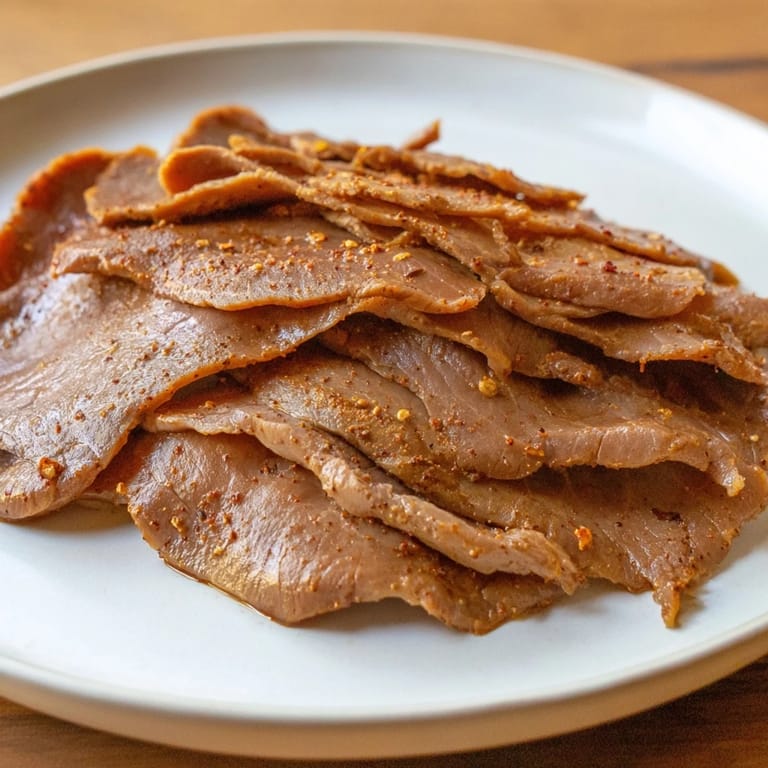
Save Making döner at home connects you to something real—not a concept, but an actual tradition of layered meat and spice cooked with patience and heat. Every time you serve it, you're sharing a piece of that.
Your Questions Answered
- → What type of meat is best for this dish?
Boneless lamb shoulder or beef sirloin thinly sliced works best, providing tenderness and rich flavor.
- → How long should the meat marinate?
Marinating for at least 4 hours, preferably overnight, ensures deep infusion of spices and tenderness.
- → Can this be cooked without a vertical rotisserie?
Yes, using metal skewers or a loaf pan in the oven allows similar roasting and layering effects.
- → What spices are used in the marinade?
The marinade includes cumin, coriander, sweet and smoked paprika, black pepper, cinnamon, and optional chili flakes.
- → What are good accompaniments for this dish?
Serving with warm flatbreads, sliced tomatoes, onions, cucumbers, shredded lettuce, and yogurt or garlic sauce complements the flavors well.
- → How can leftovers be reheated?
Reheat gently in a pan or oven to maintain moisture and tenderness without drying out.