 Save
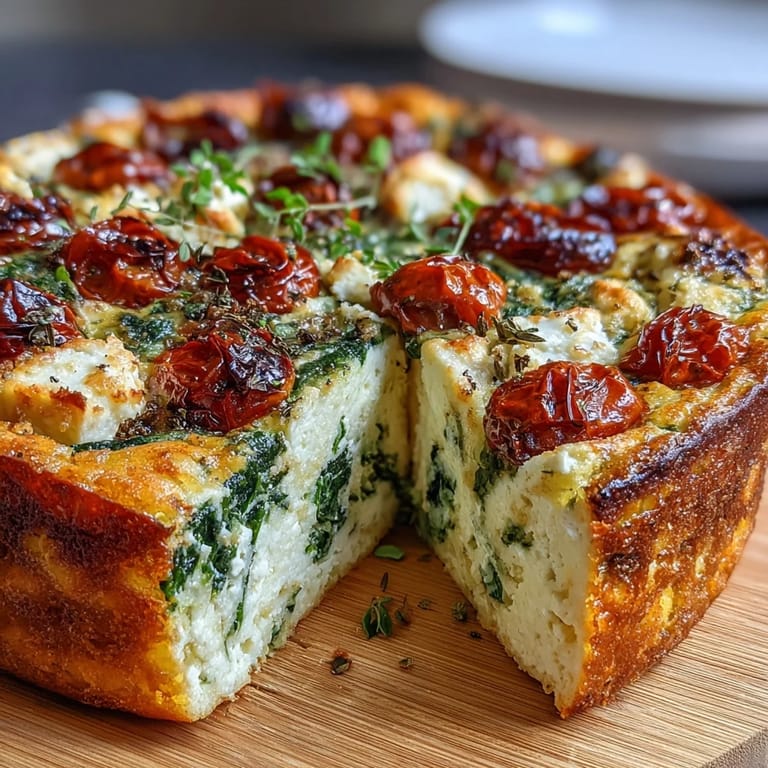
Save There's something about a frittata that makes a lazy Sunday morning feel intentional. I discovered this spinach and feta version while reorganizing my pantry and finding a half-empty jar of sun-dried tomatoes I'd forgotten about. The combination seemed obvious once I saw them together—tender greens, briny cheese, those jammy tomatoes—but it wasn't until I actually made it that I understood why it works so well. The whole thing comes together in less time than it takes to brew a full pot of coffee, yet tastes like you've been planning it all week.
I made this for my neighbor one Saturday morning after she mentioned offhandedly that she was tired of the same breakfast routine. She brought her teenage daughter over, and watching them both go back for seconds while we talked on the porch—that's when I realized this frittata had crossed from weekday quick meal into something people actually crave. Now whenever I make it, I automatically set aside extra slices because apparently word travels.
Ingredients
- Fresh baby spinach (2 cups): Baby spinach wilts down dramatically, so don't be shy with the volume—by the time it hits the pan, you'll have roughly the right amount of greens without any woody stems to deal with.
- Sun-dried tomatoes (1/2 cup, drained): The oil-packed versions taste infinitely better than dry ones, and draining them prevents the frittata from getting soggy; save that oil for dressing salads.
- Yellow onion (1 small, finely chopped): The sweetness balances the saltiness of the feta beautifully, and chopping it small means it softens quickly without dominating the texture.
- Garlic (1 clove, minced): Just enough to add depth without overpowering—if you love garlic more than I do, add a second clove and don't apologize.
- Large eggs (6): Room temperature eggs whisk more smoothly and create a fluffier frittata, so pull them from the fridge while you're prepping vegetables.
- Whole milk (1/4 cup): This adds tenderness and prevents the eggs from cooking too quickly; heavy cream works beautifully too if you're feeling luxurious.
- Feta cheese (1/2 cup, crumbled): The tang here is essential—it's what makes people say this tastes special—so don't skip it or substitute mild cheese.
- Parmesan cheese (1/4 cup, grated): This adds a nutty undertone and helps the top brown, creating that slight golden crust that makes each bite look intentional.
- Dried oregano (1/2 teaspoon): Oregano tastes like the Mediterranean in dried form, and it knits all these ingredients together in a way fresh herbs sometimes can't.
- Olive oil (2 tablespoons): Good olive oil matters here since it's doing double duty—sautéing vegetables and flavoring the final dish.
- Salt and pepper: Taste as you go because the feta is already salty; you'll likely need less than you think.
Tired of Takeout? 🥡
Get 10 meals you can make faster than delivery arrives. Seriously.
One email. No spam. Unsubscribe anytime.
Instructions
- Heat your oven and skillet:
- Get your oven to 375°F while you place a 10-inch ovenproof skillet over medium heat with the olive oil. The skillet needs to be oven-safe because it's going straight from stovetop to oven, so double-check that handle isn't plastic before you get too far along.
- Build your flavor base:
- Once the oil is shimmering, add the chopped onion and let it soften for 3 to 4 minutes, stirring occasionally—you're looking for it to turn translucent and start smelling sweet. Stir in the minced garlic and cook for about a minute more until it's fragrant and stops being raw-tasting.
- Wilt and incorporate vegetables:
- Add the chopped spinach and watch it collapse into the pan—it happens quickly, usually within 2 minutes. Then scatter in the sun-dried tomatoes and give everything one more minute together so the flavors start mingling.
- Prepare the egg custard:
- In a separate bowl, whisk together the eggs, milk, oregano, salt, and pepper until well combined and slightly frothy. Gently fold in the crumbled feta and grated Parmesan so the cheese distributes throughout rather than clumping.
- Combine and set the base:
- Pour the egg mixture over the vegetables in the skillet and stir gently once or twice to distribute everything evenly. Let it cook on the stovetop for 2 to 3 minutes until you see the edges beginning to set and firm up slightly around the perimeter.
- Finish in the oven:
- Transfer the skillet to your preheated oven and bake for 10 to 12 minutes until the center is just set—it should still have a tiny bit of jiggle in the very middle when you give it a gentle shake, as it will continue cooking slightly after you pull it out. The top will be lightly golden and maybe bubbling slightly at the edges.
- Rest and serve:
- Let it cool for a few minutes in the pan so it firms up enough to slice cleanly. Serve it warm, room temperature, or even cold the next day—it's genuinely good at all temperatures.
 Save
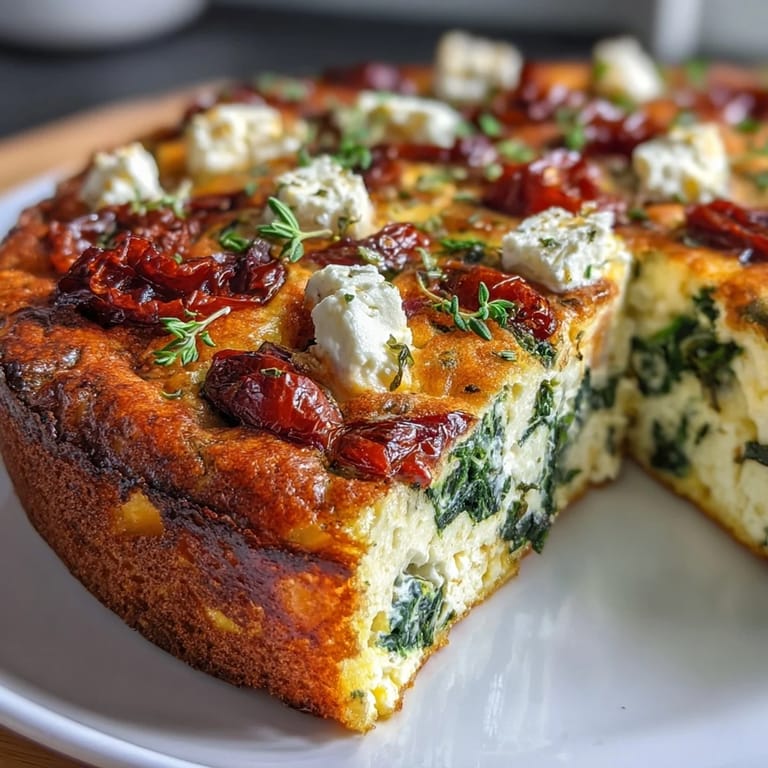
Save The best part about this frittata is how it bridges the gap between breakfast people and dinner people—everyone shows up to the table willingly. I made it once for a potluck where I genuinely didn't know anyone, and it became the conversation starter that made me actually enjoy myself. That's the power of good food prepared without pretension.
Why This Works as Both Brunch and Dinner
At brunch, it's elegant without trying, nestled on a plate with some crusty bread and a simple salad. For dinner, it becomes lighter fare that still feels satisfying, especially when you're too tired to manage anything more involved than assembly and oven time. I've even made it for breakfast the next morning after leaving a slice in the fridge, and the flavors seem to deepen overnight as the feta softens and melds with everything else.
Customizing Your Frittata
The beauty of frittata lies in its flexibility—this isn't one of those dishes that requires exact precision to succeed. If sun-dried tomatoes aren't your thing, roasted red peppers give a different kind of sweetness. I've made it with thawed frozen spinach on rushed weeknights when fresh wasn't available, and honestly, it's equally good as long as you squeeze out all the excess water. The feta is non-negotiable in my opinion, but I've seen people use goat cheese for a creamier version, and that works too.
Simple Pairings and Wine Matches
A simple green salad with lemon dressing is all you need alongside this, letting the frittata be the star. If you're drinking wine—and honestly, frittata kind of invites that decision—a crisp Sauvignon Blanc or even a light Rosé handles all these Mediterranean flavors beautifully. Crusty bread is optional but highly recommended for soaking up the eggy, cheesy goodness left on your plate.
- The frittata actually tastes better the next day after the flavors have settled, so don't hesitate to make it ahead.
- Room temperature is genuinely the ideal serving temperature if you have time, as it lets the feta's flavor come through more clearly than when it's piping hot.
- This freezes surprisingly well for up to three months, making it perfect for those mornings when you need something substantial but have zero time.
 Save
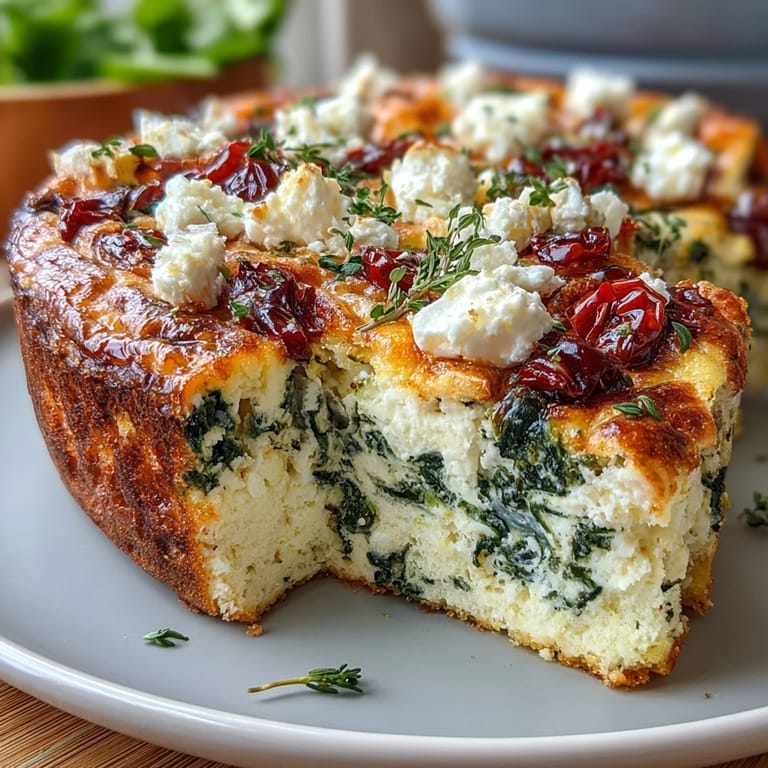
Save This frittata has quietly become one of those recipes I return to again and again, not because it's complicated or impressive to execute, but because it tastes consistently good and asks so little of you in return. That's the kind of recipe worth keeping close.
Your Questions Answered
- → Can I use frozen spinach instead of fresh?
Yes, thawed and well-drained frozen spinach works well. Make sure to squeeze out excess moisture before cooking.
- → How do I avoid a soggy frittata?
Ensure vegetables are cooked until wilted and moisture is reduced before adding the egg mixture. Baking until just set also helps maintain texture.
- → Can I substitute feta cheese with another type?
Goat cheese or ricotta are great alternatives that provide a creamy texture and tangy flavor similar to feta.
- → What is the best cookware for making this dish?
An ovenproof skillet, about 10 inches, allows easy transition from stovetop to oven and even cooking.
- → Is this suitable for gluten-free diets?
Yes, the ingredients used are naturally gluten-free, but always verify processed items like sun-dried tomatoes and cheeses for cross-contamination.