 Save
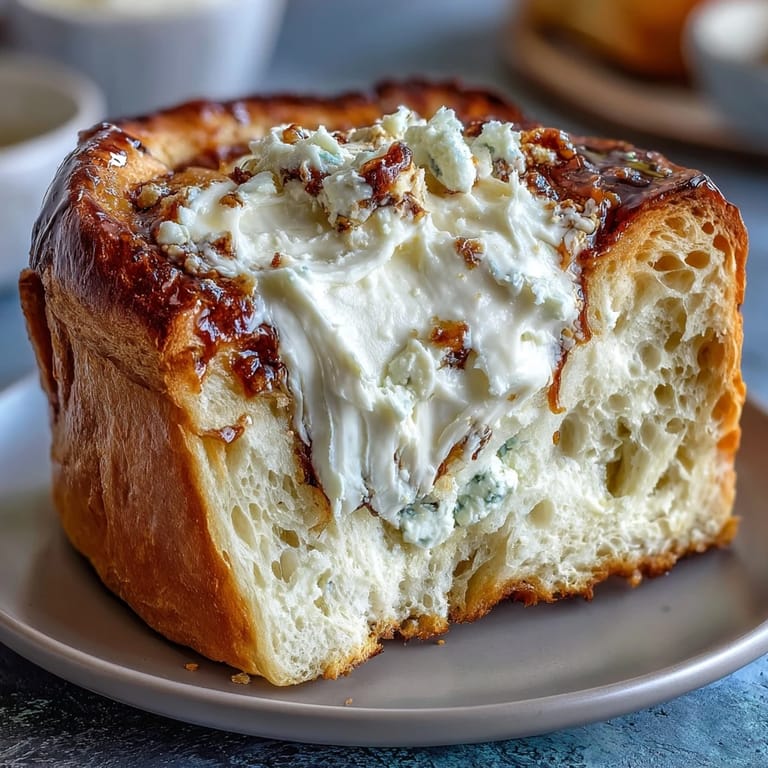
Save Every time I bake Japanese Milk Bread, the kitchen fills with an aroma so inviting it makes me forget whatever stress crept in during the day. The gentle hiss of the Tangzhong bubbling in the saucepan always signals that something impossibly soft is on its way. There&aposs an anticipation—the sense that you&aposre about to create the fluffiest slice of bread you&aposve ever tasted. I never expected such a pillowy texture could come from a few humble ingredients and a little patience. This loaf surprised me the first time, and it still does every time it emerges golden and tender from the oven.
I once brought a loaf of this to a late Sunday brunch with friends, the kind where people drift in hungry and coffee is the main topic of conversation. We sliced it right at the table, still barely cooled, and nobody waited for butter or jam—just fluffy torn pieces and a lot of happy sighs. Someone actually paused mid-bite to ask how it could possibly taste so light. That moment turned bread baking from a solo hobby into a way to make brunches feel a little more special.
Ingredients
- Bread flour: Using bread flour is the key here—it gives the structure for that famously soft crumb.
- Whole milk: I use whole milk for a richer taste and softer texture; warming it slightly helps the yeast bloom.
- Instant yeast: Instant yeast means you can skip proofing steps, and I always check the expiration because fresh yeast is vital.
- Sugar: Just a touch brings out the sweetness and helps with browning.
- Fine sea salt: It's what keeps the bread from tasting flat; sprinkle it away from the yeast for best rise.
- Egg: Room-temperature eggs incorporate best and add softness, so I always set it out before starting.
- Unsalted butter: Softening the butter ahead makes kneading much smoother and gives the crumb its richness.
- Tangzhong: This roux-like starter is what gives the loaf extraordinary spring and moisture—it's worth the extra step every time.
- Milk for brushing: This gives the crust a subtle shine and a gentler bite as it bakes.
Tired of Takeout? 🥡
Get 10 meals you can make faster than delivery arrives. Seriously.
One email. No spam. Unsubscribe anytime.
Instructions
- Make the Tangzhong:
- Grab a small saucepan, add the flour, water, and milk, and whisk until smooth—watch as it gently thickens to a soft paste over medium heat, being sure to keep whisking so it doesn&apost scorch. Take it off the heat just when it holds faint lines from your whisk, then let it cool until just warm to the touch.
- Combine dry ingredients:
- In your largest mixing bowl or the stand mixer, toss in the bread flour, sugar, salt, and instant yeast; the aroma of flour always reminds me I&aposm about to bake. Make a well in the center for the next step.
- Mix and knead:
- Add the cooled Tangzhong, warm milk, and egg to the bowl, stirring until a rough dough comes together—it&aposll be shaggy but that's perfect. Add in the softened butter and knead until it transforms—smooth, stretchy, and just a bit tacky, which takes around 10-15 minutes and always feels therapeutic.
- First rise:
- Move the dough into a lightly greased bowl, cover it, and give it a cozy spot to rise for an hour or until it puffs up to twice its size—it&aposs hard not to peek during this part. I sometimes sit close by with tea, watching the dough&aposs slow bloom.
- Shape the loaf:
- Gently punch down the dough to release air, divide into three even pieces, and roll each into a rectangle before folding and rolling into logs—the shaping is oddly satisfying. Nest the three logs snugly side by side in a greased loaf pan, seams down, for those beautiful layers.
- Second rise:
- Cover the pan and let the dough rise again until it nearly reaches the pan&aposs top, which takes about 30-45 minutes; that lift always feels like a small victory.
- Bake:
- Preheat your oven to 350°F (175°C). Brush the loaf top with milk and bake for 28-32 minutes; it will turn a deeply golden brown, and you&aposs looking for that hollow sound when tapped.
- Cool and slice:
- Let it sit in the pan about 10 minutes, then carefully move it to a wire rack so all sides stay soft and puffed. Wait for it to cool completely before slicing—if you can, that is.
 Save
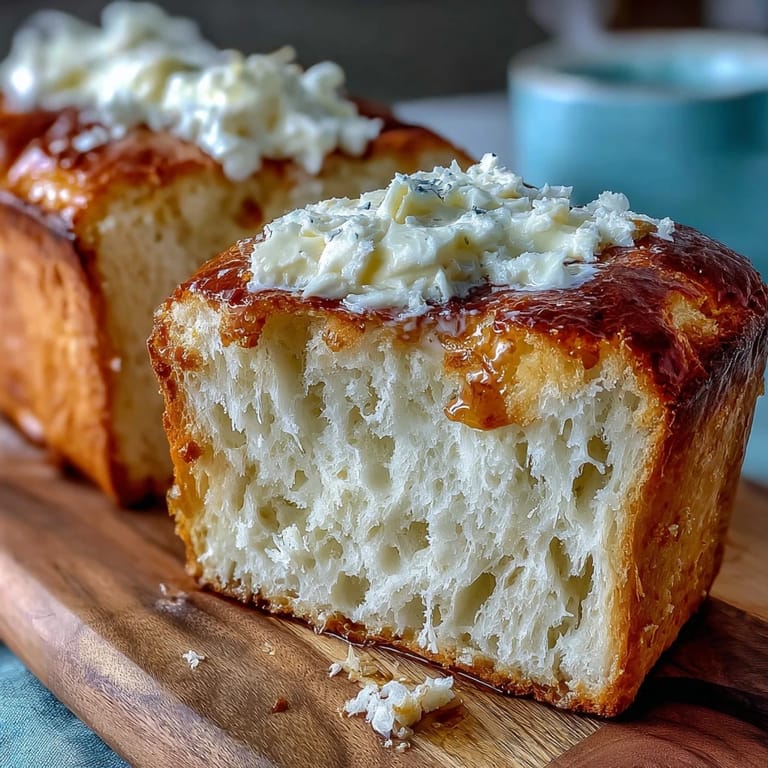
Save One winter morning, I made this bread just as snow started falling outside and the kitchen windows fogged up; pulling out the loaf felt like a small triumph against the chill. That day, the bread became more than breakfast—it was warmth shared between friends with nothing but butter and laughter on the table.
When To Make This At Home
I find this bread is best baked when you need comfort with a bit of patience or want to elevate a normal day with an exceptional sandwich. If you have a spare Saturday or a quiet evening and an urge to fill your home with fresh bread scent, this is the project to choose.
Common Mistakes (And My Fixes)
Overheating the Tangzhong can leave it too thick (I pull it off the heat as soon as I see lines forming). Sometimes the dough sticks at first, but a bit of flour dusted on my hands always does the trick. If the top browns too quickly while baking, I cover the loaf gently with foil at the 20-minute mark.
Storing And Serving
Keeping it in an airtight container keeps slices incredibly soft for days, making it perfect for both breakfast and late-night snacking. Toasted or not, it plays well with everything—from savory sandwich fillings to berry jam. Don&apost forget to savor the end slice—there&aposs an extra bit of chew and flavor there.
- Milk bread freezes well if tightly wrapped.
- To refresh, a few seconds in the microwave brings back softness.
- Always let it cool fully before slicing for the best texture.
 Save
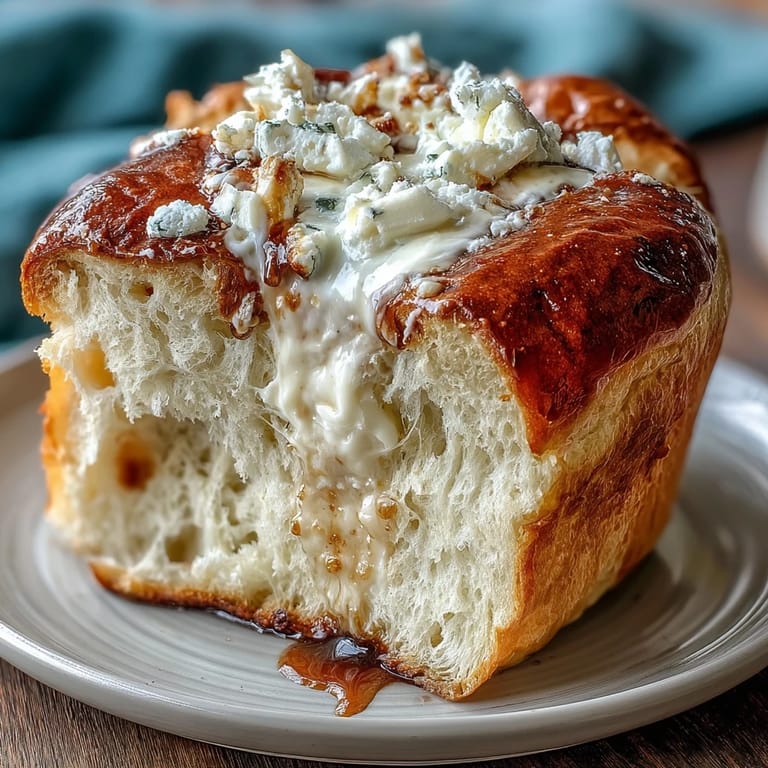
Save I hope you enjoy baking Japanese Milk Bread as much as I do—each loaf is a little triumph. Here&aposs to soft slices and small kitchen joys.
Your Questions Answered
- → What does tangzhong do?
Tangzhong is a cooked flour-and-liquid paste that gelatinizes starches, helping the loaf retain moisture and develop a softer, silkier crumb that stays fresh longer.
- → How long should I knead the dough?
Knead for about 10–15 minutes by hand or with a mixer dough hook until the dough is smooth, elastic, and slightly tacky but not sticky; this develops gluten for structure and chew.
- → Can I substitute ingredients for dietary needs?
You can swap some milk for plant-based milk for dairy-free preferences, but texture will change. Replacing bread flour with all-purpose may yield a softer, less elastic crumb.
- → How do I know when the loaf is baked?
Bake until the top is golden and the loaf sounds hollow when tapped. Internal temperature should reach about 190–200°F for a fully baked, tender crumb.
- → Any tips for shaping the loaf?
Divide into three equal pieces, roll each into a tight log with seams pinched underneath, and place side by side seam-side down in a greased 9x5-inch pan to create even rise and soft domed top.
- → Best way to store and revive slices?
Store cooled loaf in an airtight container at room temperature for several days. For revived texture, lightly toast slices or warm briefly in a low oven; a little butter or jam enhances flavor.