 Save
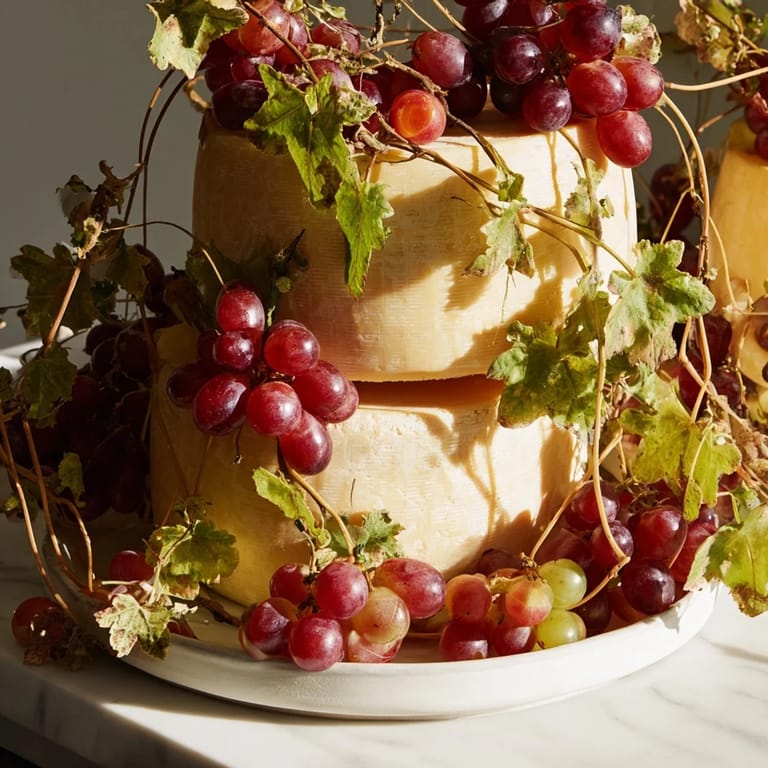
Save My first encounter with this arrangement happened quite by accident at a wine harvest festival in the Tuscan hills, where a farmer's wife simply draped weathered grapevines across wheels of cheese she'd made that season. There was nothing fussy about it—just the vines, the cheese, grapes still clinging to their stems, and a wooden board that had probably seen a hundred gatherings. The moment felt so effortlessly elegant that I realized the best entertaining isn't about perfection, it's about letting good ingredients speak for themselves.
I brought this to a dinner party once and watched my neighbor—someone who usually just eats standing up while checking her phone—sit down with a slice of cheese and actually pause. She ate slowly, paired it with grapes, broke bread into smaller pieces. That one board changed how she approached meals for weeks after.
Ingredients
- Young, rustic cheese wheels (2 large, about 1.5 kg each): Look for cheeses with a natural rind that still feels a bit tender—tomme, young pecorino, or farmhouse varieties work beautifully because they're forgiving and taste wonderful at room temperature, letting the milk's natural sweetness come through without any pretense.
- Untreated grapevine branches (3–4 long stems): These become your edible landscape, and the leaves are actually lovely to eat once you discover they're not just decoration—they bring a subtle green tang that heightens everything around them.
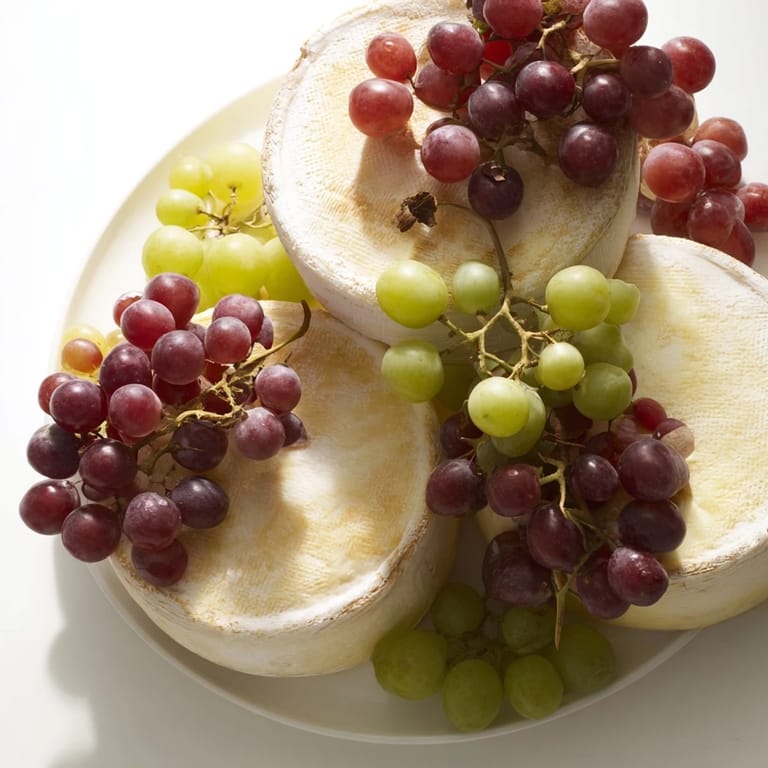
- Fresh grapes (500 g, red, green, or mixed): Keep them on the stem if possible because they look alive that way, and they're easier to pull off while eating, creating this natural rhythm to the whole experience.
- Rustic bread (1 baguette or country loaf, sliced): Choose something with real structure and crust, because soft bread disappears under the weight of good cheese.
- Assorted nuts (100 g—walnuts, almonds): These add texture and a grounding earthiness that keeps the cheese from feeling too delicate on the palate.
- Dried fruits (100 g—figs, apricots): The chewiness and concentrated sweetness create bridges between the savory cheese and bright grapes, making every combination feel intentional.
Tired of Takeout? 🥡
Get 10 meals you can make faster than delivery arrives. Seriously.
One email. No spam. Unsubscribe anytime.
Instructions
- Lay your vineyard foundation:
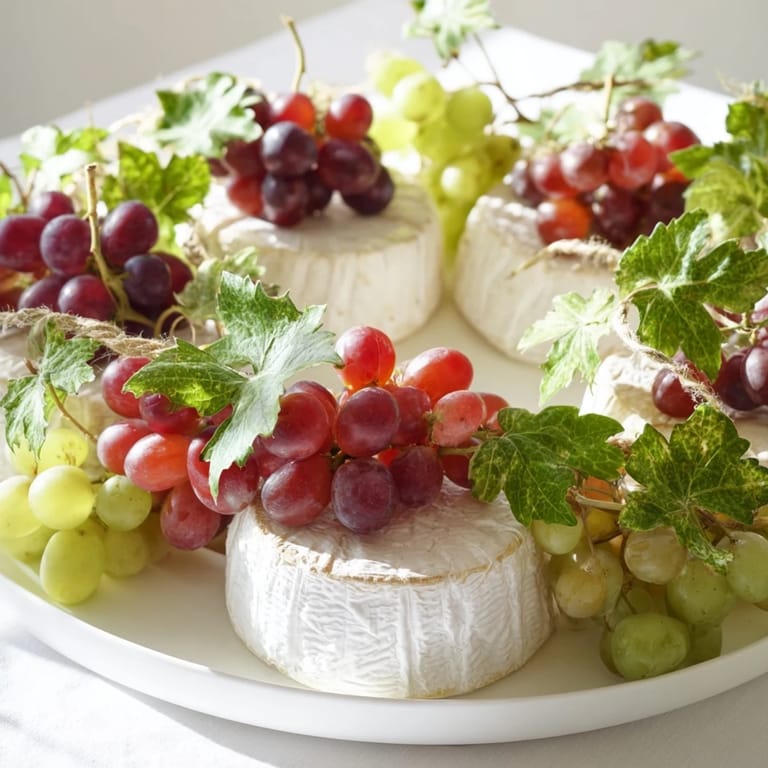
- Spread those grapevine branches across and around your cheese wheels with the kind of casual generosity you'd see in nature—let the leaves drape, let the stems wander. This isn't about symmetry; it's about creating this landscape that makes people want to dig in.
- Tuck grapes into the architecture:
- Nestle grape clusters among the vines and around the cheese edges so they peek through like little treasures waiting to be discovered. They'll catch light and color in ways that pure cheese never could alone.
- Anchor with bread and extras:
- Create small, loose piles of sliced bread and your nuts and dried fruits around the outer edges, leaving room for people to move things around as they eat. This isn't a frozen still life—it's meant to be touched and rearranged.
- Serve and let people explore:
- Bring everything to the table at room temperature, which is when cheese tastes like itself and grapes are crisp and refreshing. Let people cut their own pieces and discover their own favorite combinations.
 Save
Save A friend told me years later that this was the meal where she decided entertaining didn't need to stress her out—she just needed to trust that good things arranged together are better than a thousand dishes perfectly plated. That conversation meant more to me than any compliment about the food itself.
Finding Your Cheese
The cheese is really where your whole board lives or dies, so spend a moment with your cheesemonger if you have one nearby. Young rustic cheeses are forgiving and taste better when they haven't been cold-stored into submission—they should smell alive and slightly grassy. If you can't find young wheels, a large piece of aged farmhouse cheese cut into wedges works too, though something about the whole wheel's presence makes people feel braver about trying unfamiliar things.
Wine and Other Pairings
I've served this with crisp white wines that taste like minerals and grass, with light reds that don't overpower the delicate cheese, and once with a slightly sparkling rosé that seemed to make everything taste brighter. The grapes themselves taste better when you drink something that complements them rather than fights them, so think of the wine as part of the arrangement too.
Making It Your Own
This is the kind of dish where small variations become moments of personality rather than deviations. A drizzle of local honey over the cheese adds honeyed warmth, while good olive oil brings a peppery richness that some palates prefer.
- If you can't find grapevines, grape leaves draped loosely over the cheese create a similar visual effect and taste just as good.
- Swap in whatever dried fruits and nuts you actually have—dates and pistachios, raisins and hazelnuts, whatever speaks to your pantry and the season.
- This is equally stunning as an ending to a meal as it is a beginning, so don't lock yourself into serving it only one way.
 Save
Save There's something about arranging good things on wood and sharing them that feels less like cooking and more like creating a small, temporary world. That's the real magic here.
Your Questions Answered
- → What type of cheese works best for this dish?
Young, rustic, unfinished cheeses like tomme or young pecorino are ideal for their texture and flavor, complementing the natural grapevine presentation.
- → Can grape leaves be used instead of full grapevine branches?
Yes, grape leaves can substitute for full untreated grapevine branches, maintaining the fresh and rustic look.
- → Is this dish served warm or cold?
It is best served at room temperature to fully enjoy the flavors and textures of cheese and fresh grapes.
- → What accompaniments pair well with this combination?
Rustic bread, assorted nuts like walnuts and almonds, and dried fruits such as figs or apricots enhance the taste experience.
- → Are there any special preparation tips for the grapevines?
Use only organic, untreated grapevines, cleaned and dried well to ensure a fresh natural appearance and safety.