 Save
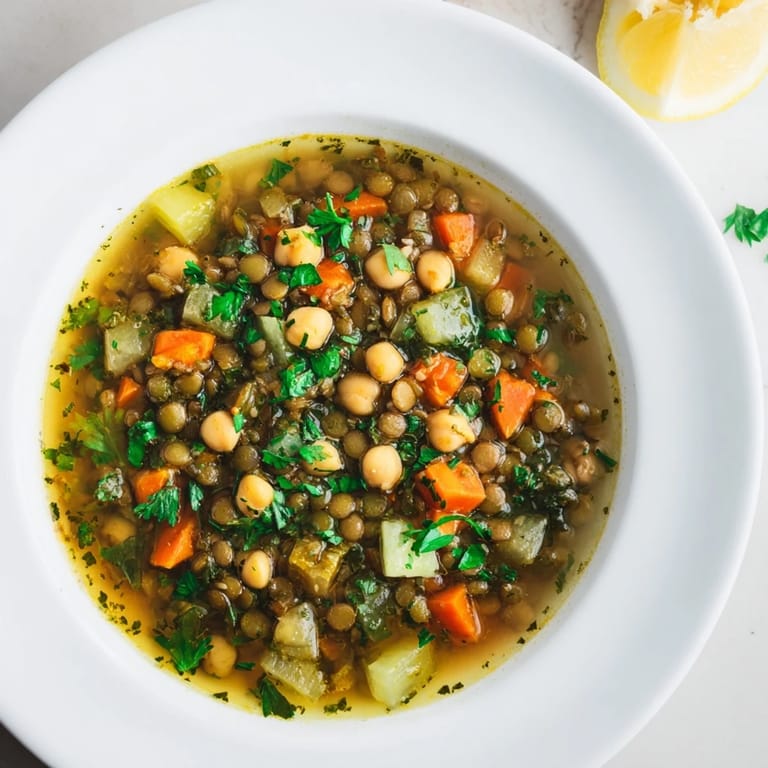
Save I discovered this stew on a cold morning when a neighbor brought over a thermos of something fragrant and earthy, swirling with deep spice and bright lemon. She sat at my kitchen table and described how her family made it almost weekly, how the sumac gave it this tart backbone that made everything taste alive. I asked for the proportions right then, scribbled them on the back of a grocery list, and by that evening I was standing over my own pot, watching lentils soften into something that felt like both comfort and adventure at once.
The first time I made it for friends, I was nervous the flavors would seem too unfamiliar, but the moment they tasted it, something shifted in the room. Someone asked for seconds before finishing their first bowl, and another friend wanted to know immediately if it would keep for lunch the next day. That's when I realized this wasn't just a recipe I'd copied down—it was something that actually made people pause and really taste what was in front of them.
Ingredients
- Brown or green lentils, 1 cup: These hold their shape better than red lentils and give the stew a substantial bite; rinsing them removes dust and helps them cook more evenly.
- Canned chickpeas, 1 can (15 oz): Already cooked, so they won't fall apart—drain and rinse them well to remove excess sodium and the starchy liquid.
- Olive oil, 2 tablespoons: Your base for building flavor; don't skip this or use a lighter oil, as it carries the spice into the broth.
- Yellow onion, 1 large: Finely chopped so it softens into the base of the stew rather than staying in chunks.
- Garlic, 3 cloves minced: Added after the onion so it doesn't burn; it blooms when you add the spices next.
- Carrots and celery, 2 medium and 2 stalks: Diced to release sweetness and body; they're your flavor foundation along with the onion.
- Ground sumac, 1½ teaspoons: This is the secret—it adds tartness without needing more acid; if you can't find it, lemon zest works but tastes different.
- Cumin, coriander, smoked paprika, salt, pepper, cayenne: Cumin adds warmth, coriander brings earthiness, paprika deepens color and taste, cayenne is optional but brings gentle heat.
- Vegetable broth and water, 4 cups and 1 cup: Using both instead of all broth keeps the flavor clean and lets the spices shine rather than competing with a heavy stock.
- Fresh lemon juice, from 1 large lemon: Added at the end to brighten everything; bottled juice tastes tinny here, so squeeze it fresh if you can.
- Fresh parsley, ½ cup chopped: Half goes in at the end for color and freshness, half garnishes the bowls for that final herbal lift.
Tired of Takeout? 🥡
Get 10 meals you can make faster than delivery arrives. Seriously.
One email. No spam. Unsubscribe anytime.
Instructions
- Start your base with oil and onion:
- Heat the olive oil in a large pot over medium heat and add your finely chopped onion. Let it soften for about 4 to 5 minutes, stirring every so often, until it turns translucent and smells sweet—this is when you know the caramelization has started.
- Build the aromatics:
- Add your minced garlic, diced carrots, and diced celery, then cook for 3 to 4 minutes more. You'll notice the carrots begin to soften at the edges and everything starts smelling like a proper stew base.
- Bloom the spices:
- Stir in all your dry spices—sumac, cumin, coriander, smoked paprika, salt, pepper, and cayenne if using—and cook for about 1 minute. The heat releases their essential oils and your kitchen will smell deeply aromatic and warm.
- Add legumes and liquid:
- Pour in your rinsed lentils, drained chickpeas, vegetable broth, and water, then bring everything to a boil. Once it's boiling, lower the heat and cover the pot, letting it simmer gently for 25 to 30 minutes until the lentils are tender but not mushy.
- Finish with brightness:
- Stir in the fresh lemon juice and half your chopped parsley, then cook uncovered for 2 to 3 minutes more. Taste it and adjust salt or lemon to your preference.
- Serve with intention:
- Ladle the stew into bowls and garnish each one with the remaining fresh parsley and a lemon wedge on the side, so people can squeeze in more brightness if they want it.
 Save
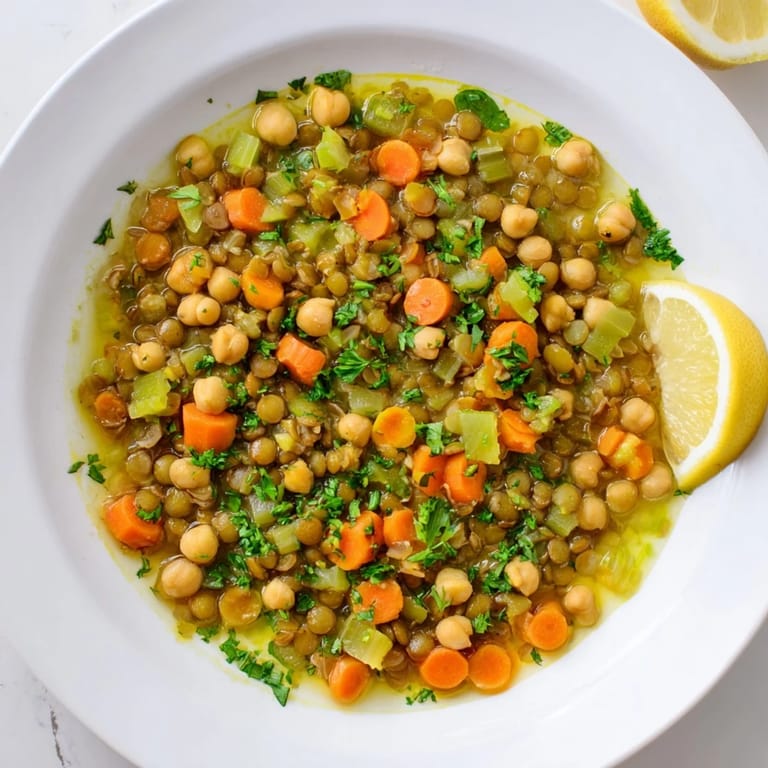
Save My favorite moment came when my mother asked me to teach her how to make this, standing beside me at the stove, watching how the spices transformed from ground powder into something alive. She said it reminded her of food from places she'd never been but somehow felt nostalgic anyway—and that's when I understood why this stew matters.
Building Depth in Simple Ingredients
This stew works because it doesn't try to be complicated; it trusts that lentils, chickpeas, and the right spices will make something whole on their own. The sumac is doing most of the heavy lifting here—it's tangy without being acidic, warm without being spicy, and it coaxes out sweetness from the vegetables you might not have noticed otherwise. Once you understand how sumac works, you start seeing it everywhere in Middle Eastern cooking, and suddenly simple ingredients feel like they have a secret vocabulary.
Timing and Temperature Matter More Than You'd Think
I've made this stew at different temperatures and watched it change completely. Cook it at too high a heat and the lentils burst before the flavors have time to marry; cook it too gently and it takes forever. Medium-low heat, with that gentle simmer where you see a bubble or two break the surface every second or so, is the sweet spot. The vegetables break down slowly, the spices have time to infuse the broth, and the final flavor is rounded instead of sharp.
Variations and Serving Ideas
This stew is forgiving enough to play with—I've added handfuls of spinach or kale in the last few minutes of cooking, drizzled it with tahini, served it over rice, or scooped it up with warm flatbread. Some people add a splash of pomegranate molasses for extra depth, others finish it with a drizzle of good olive oil that makes the whole bowl glisten. The lemon wedge on the side is non-negotiable though, because people need the choice to brighten it further.
- Stir in chopped fresh spinach or kale during the last 5 minutes for added greens and nutrition.
- Serve over rice, couscous, or with warm flatbread for a more substantial meal.
- Drizzle with extra virgin olive oil or a spoonful of tahini before serving for richness.
 Save
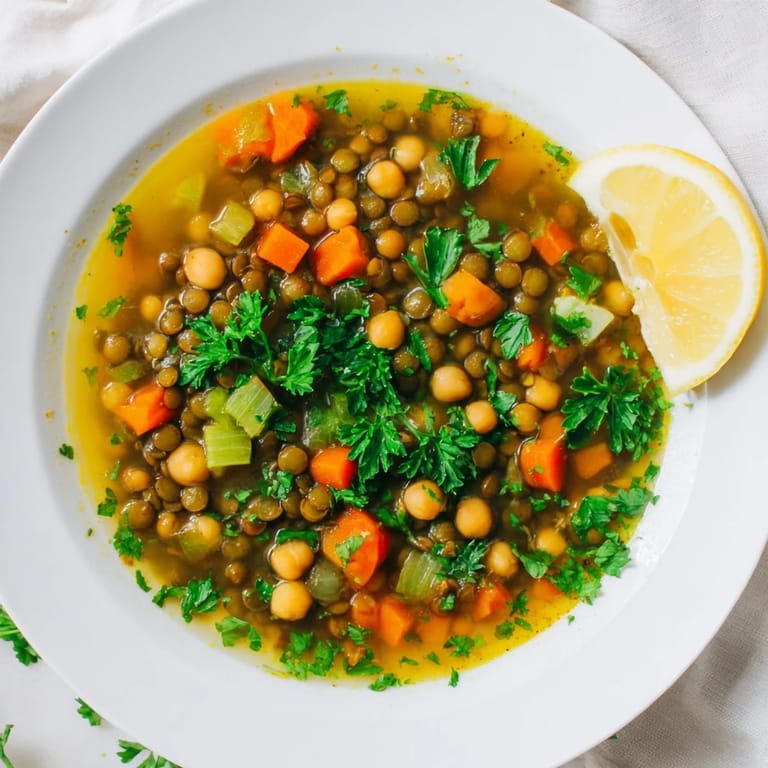
Save This is the kind of stew that gets better the longer it sits, tastes even warmer when you share it, and somehow makes any day feel a little more nourished. Make it once and you'll find yourself reaching for it again and again.
Your Questions Answered
- → What makes this stew flavorful?
The blend of sumac, cumin, coriander, and smoked paprika, along with fresh lemon juice and parsley, gives the stew its vibrant and aromatic profile.
- → Can I use different legumes?
Yes, you can substitute lentils with other legumes like red lentils or add more chickpeas for varied texture and taste.
- → How long should the lentils simmer?
Simmer lentils and chickpeas for 25–30 minutes until lentils are tender but not mushy for perfect texture.
- → Is this dish suitable for special diets?
Absolutely. It’s naturally vegan and gluten-free, making it suitable for a range of dietary needs.
- → What can I serve with this stew?
This stew pairs well with warm flatbread, rice, or a fresh green salad for a complete meal.