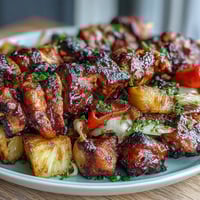
 Save
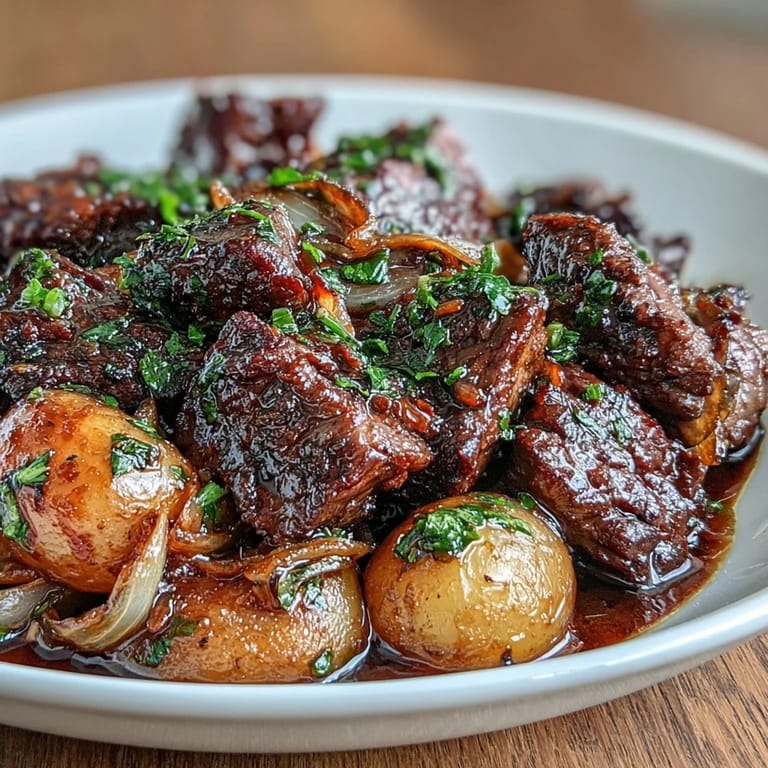
Save My first nikujaga moment happened on a rainy Tuesday when my neighbor dropped off a pot of it, still steaming, as an apology for borrowing my kitchen scale weeks earlier. I'd never had it before, but one spoonful of that glossy, sweet-savory sauce coating the tender potatoes and beef completely changed how I thought about Japanese home cooking. It wasn't fancy or complicated, just deeply satisfying in a way that made me want to recreate it that very evening. The smell of soy and mirin simmering together became my comfort signal after that day.
I made this for my partner during his first week of a demanding new job, and I remember him closing his eyes after the first bite like he was processing something important. He told me later that it reminded him of a meal his grandmother made, even though he'd never eaten nikujaga before. That's when I realized this dish carries a kind of universal comfort that crosses cultures and memories.
Ingredients
- Beef, thinly sliced (300 g): Chuck or ribeye work best because they become tender during the braise and absorb the sauce beautifully, giving you that melt-in-your-mouth texture without any chewiness.
- Waxy potatoes (600 g): Don't skip the waxy variety—they hold their shape through simmering and won't turn mushy or grainy like starchy potatoes would.
- Onions (2 medium): Slice them thick enough to hold their structure but thin enough to soften quickly and distribute their sweetness throughout the dish.
- Carrot (1 large): Cut into thick rounds so they cook at roughly the same pace as the potatoes and add a subtle natural sweetness.
- Shirataki noodles (100 g, optional): These clear, chewy noodles add another texture layer if you're drawn to them, but the dish is completely complete without them.
- Snow peas or green beans (100 g, optional): Added at the very end to keep their bright color and slight crunch as a textural contrast.
- Dashi stock (400 ml): This is the backbone of the sauce—if you don't have prepared dashi, instant powder mixed with water works perfectly well and honestly tastes nearly identical.
- Soy sauce (4 tbsp): Use regular or tamari depending on your dietary needs, but taste as you go because soy sauce brands vary wildly in saltiness.
- Mirin (3 tbsp): This sweet rice wine adds glossiness and a subtle depth that sugar alone can't replicate, so it's worth seeking out.
- Sake (2 tbsp): It cuts through the richness and adds a fragrant lift, but if you're avoiding alcohol, water works as a substitute.
- Sugar (2 tbsp): This balances the salty-umami elements, and you can adjust up or down depending on your preference for sweetness.
- Neutral oil (1 tbsp): Any high-heat oil works, but I use canola because it doesn't compete with the other flavors.
Tired of Takeout? 🥡
Get 10 meals you can make faster than delivery arrives. Seriously.
One email. No spam. Unsubscribe anytime.
Instructions
- Start with the aromatics:
- Heat the oil over medium heat and add those sliced onions, letting them soften for a couple of minutes until they smell sweet and translucent at the edges. You're building the flavor foundation here, so don't rush this step—listen for that gentle sizzle.
- Brown the beef gently:
- Add the sliced beef and stir constantly until it loses its raw pink color and just begins to caramelize at the edges, about 3-4 minutes. You want it lightly browned, not gray and overcooked—the beef will finish cooking in the braise.
- Layer in the vegetables:
- Toss in the potatoes and carrots, stirring everything together so they're evenly distributed and coated with a bit of the beef's rendered fat. This helps them develop flavor and ensures even cooking throughout.
- Build the braising liquid:
- Pour in the dashi stock first, then add the soy sauce, mirin, sake, and sugar, stirring until the sugar dissolves completely. The aroma that rises up should smell warm and complex, like umami has entered your kitchen.
- Begin the braise:
- Bring everything to a gentle boil over medium-high heat, then skim off any brown foam or impurities that float to the surface with a spoon—this keeps the sauce clear and clean-tasting. It's an easy step that makes a real difference in the final result.
- Simmer low and slow:
- Reduce the heat to low, place a lid slightly ajar on the pot (the small gap lets steam escape gradually), and let it braise for 20-25 minutes until the potatoes are fork-tender and the liquid has reduced slightly. You should see little bubbles breaking the surface, not a rolling boil.
- Add noodles if using:
- About 10 minutes before the end of cooking, add rinsed shirataki noodles if you're including them, stirring them in gently. They only need a few minutes to warm through and absorb flavor.
- Finish with gloss and crunch:
- In the final 5 minutes, remove the lid entirely and let the sauce reduce slightly while uncovered, which creates that signature glossy finish you're chasing. At the very end, add snow peas or green beans and give everything one gentle stir, letting them cook just long enough to heat through while staying crisp.
- Plate and serve:
- Divide the nikujaga among bowls and ladle extra sauce over everything, then serve immediately with fluffy steamed white rice on the side. The heat will keep everything warm and the flavors unified.
 Save
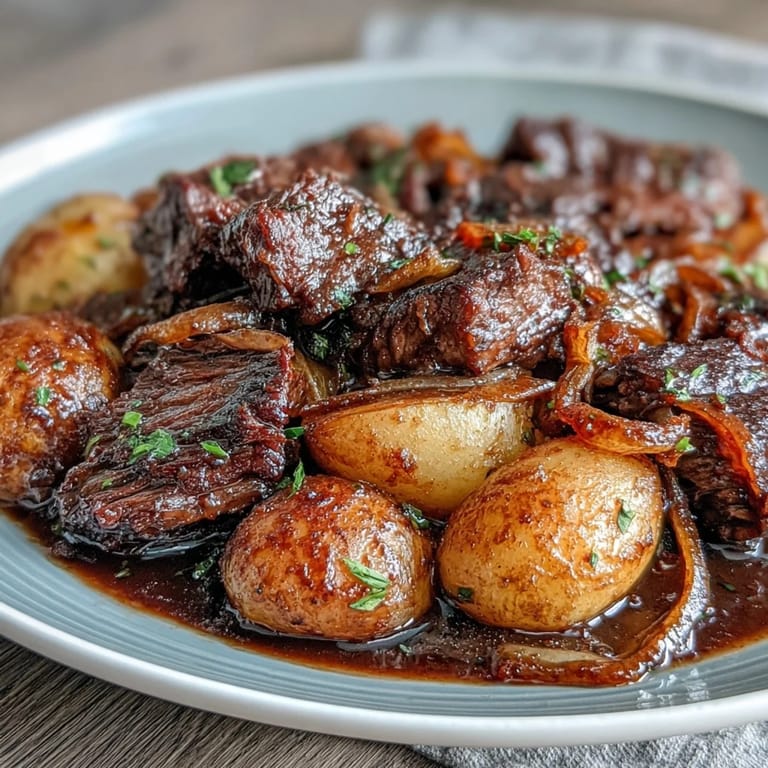
Save There's a moment near the end of cooking when you peek under that slightly ajar lid and the smell hits you all at once—it's the moment you know everything is working the way it should. That's when I understood why my neighbor had brought it over, and why she'd probably make it again without needing a reason at all.
The Beauty of Simple Ingredients
Nikujaga taught me that Japanese home cooking isn't about exotic ingredients or difficult techniques—it's about respecting what you have and letting quality ingredients speak for themselves. The beef doesn't need to be premium cuts because the long braise transforms it into something tender and flavorful. The potatoes don't need anything fancy because they're the real star, soaking up all that sweet-savory sauce until they're glossy and rich.
Why This Tastes Like Home
Nikujaga appears on Japanese family dinner tables constantly because it hits that perfect balance between comfort and effort. It's humble enough that you don't feel like you're doing anything too complicated, but impressive enough that it tastes like you really put care into it. My partner's memory of his grandmother proves that some dishes transcend their recipes and become tied to feeling safe and loved.
Customizing Without Losing Your Way
The optional ingredients give you room to play without breaking the dish's essential character, which I appreciate about recipes that have some history behind them. I've made it with pork when beef wasn't on hand, and it was equally delicious because the sauce carries the flavor. Some nights I skip the shirataki noodles entirely because I'm more in the mood for just potatoes, beef, and broth, and it's still completely satisfying.
- Pork (especially thinly sliced pork shoulder) substitutes beautifully for beef and actually cooks slightly faster.
- For a vegetarian version, use firm tofu and vegetable broth, adding the tofu near the end so it doesn't absorb all the liquid.
- The sweetness is intentional and part of the recipe's identity, but you can dial it back by reducing sugar or mirin if you prefer a more savory direction.
 Save
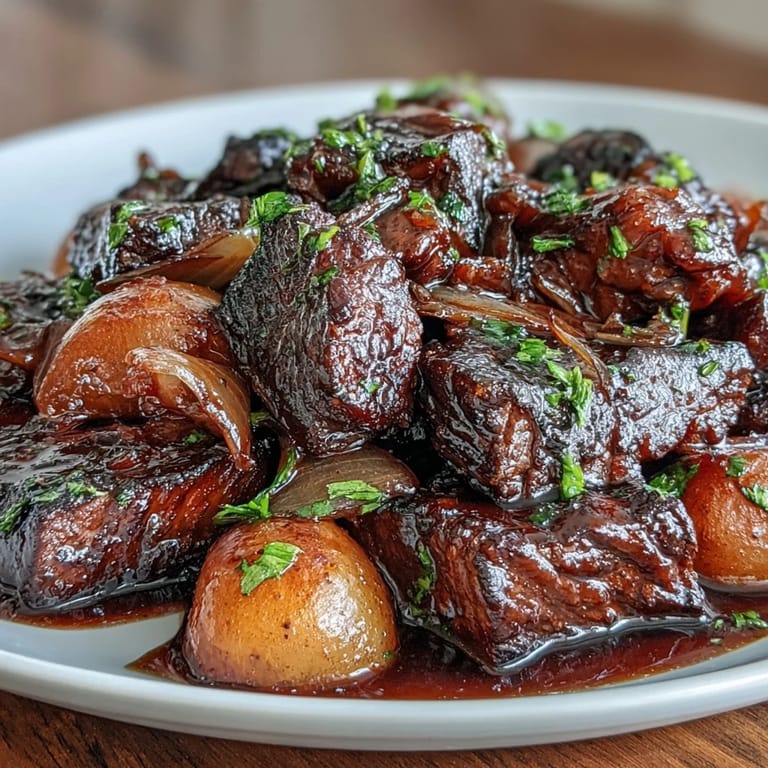
Save This dish has become my reliable answer to the question of what's for dinner when I want something that feels both special and effortless. It's the kind of cooking that reminds you why people gather around tables in the first place.
Your Questions Answered
- → What cut of beef works best for Nikujaga?
Thinly sliced chuck or ribeye beef is ideal as it cooks quickly and remains tender during simmering.
- → Can I substitute potatoes in this dish?
Waxy potatoes are preferred for their ability to hold shape, but other firm potatoes may be used with careful cooking.
- → What is the purpose of adding mirin and sake?
Mirin and sake add subtle sweetness and depth, balancing the savory soy sauce and enhancing overall flavor.
- → Is it necessary to remove foam during cooking?
Yes, skimming off foam and impurities helps ensure a clear, clean broth and improves the presentation.
- → How can I adjust sweetness to taste?
Adjust the amount of sugar and mirin to achieve desired sweetness, tasting during simmering.
- → Can I make a vegetarian version?
Substitute beef with firm tofu and use vegetable broth instead of dashi to create a vegetarian-friendly dish.