 Save
Save My neighbor handed me a jar of homemade guava paste one afternoon, insisting I had to try it with chicken. I was skeptical at first, honestly, but something about the tropical sweetness mixed with the tartness of vinegar just clicked in my head. That first batch was rough—the sauce broke and separated—but by the third attempt, I nailed it. Now this glaze is what I reach for when I want something familiar yet completely unexpected on the dinner table.
I made this for my sister's birthday dinner last summer, and she took one bite and asked for the recipe before she finished her first piece. That's when I knew the tropical kick wasn't just a gimmick—it genuinely elevated something as simple as roasted chicken into something memorable. Her kids asked for seconds, which almost never happens with them.
Ingredients
- Guava paste: This is the heart of everything; it gives you natural fruit sweetness and body without having to reduce a sauce for hours.
- Apple cider vinegar: The acidity cuts through richness and keeps the sauce from feeling cloying or one-note.
- Worcestershire sauce: A touch of umami depth that makes people wonder what you added but can't quite place it.
- Brown sugar: Works with the guava to deepen the caramel notes as the chicken roasts.
- Smoked paprika: Adds a subtle smokiness that feels like you spent all day tending a grill.
- Bone-in, skin-on chicken thighs: The best cut for this method because they forgive slight timing mistakes and stay tender, unlike breast meat.
- Garlic and Dijon mustard: Together they create a savory backbone that prevents the sauce from being pure sweetness.
Tired of Takeout? 🥡
Get 10 meals you can make faster than delivery arrives. Seriously.
One email. No spam. Unsubscribe anytime.
Instructions
- Build your sauce first:
- Combine the guava paste, ketchup, vinegar, brown sugar, Worcestershire, mustard, minced garlic, smoked paprika, cayenne if you like heat, salt, pepper, and water in a saucepan over medium heat. Stir constantly as the paste melts—it'll go from chunky to silky smooth, and that's when you know it's ready.
- Let it simmer gently:
- Keep the heat low for 5 to 7 minutes, stirring occasionally, until the sauce coats the back of a spoon slightly. This thickens it just enough so it clings to the chicken instead of running off.
- Prep your chicken with intention:
- Pat each thigh completely dry with paper towels, then massage olive oil, salt, pepper, and garlic powder into the skin and meat. Dry chicken means crispy skin, so don't skip this step.
- Get the oven working:
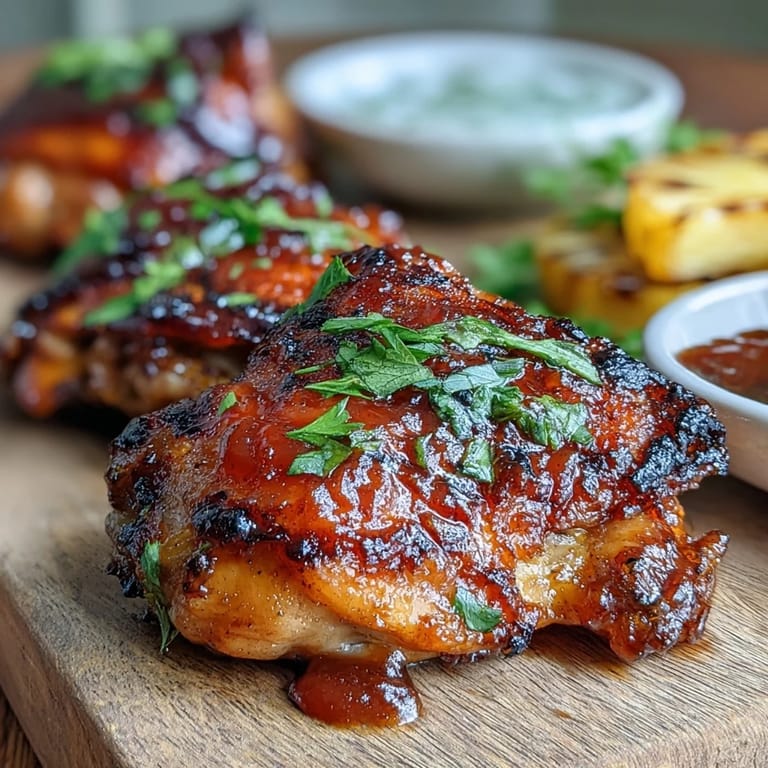
- Arrange thighs skin-side up on your prepared baking sheet and slide into a 400°F oven for 25 minutes. You're rendering some of that fat and getting a head start on cooking through.
- Glaze with confidence:
- Remove the sheet, brush each thigh generously with sauce, return to the oven, and roast for 20 to 25 minutes more. Halfway through, brush again with sauce so you build layers of caramelization.
- Check for doneness and rest:
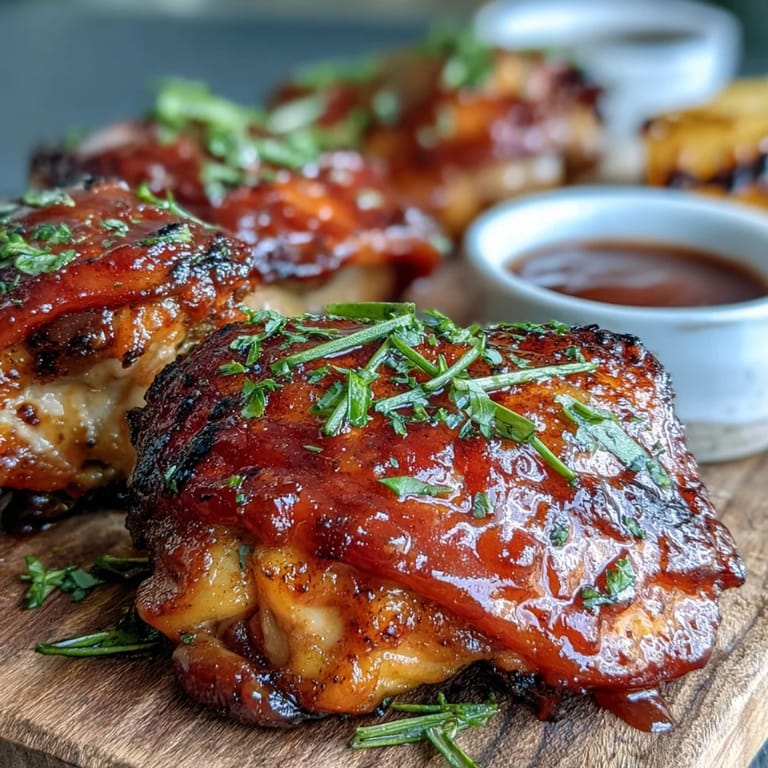
- An instant-read thermometer at the thickest part should read 165°F when you're done. Let the chicken rest for 5 minutes so the juices redistribute, then serve with extra sauce on the side.
 Save
Save There's a moment about thirty minutes into cooking when your kitchen fills with this incredible aroma—caramelized fruit, garlic, and chicken skin browning together. My whole family gathers in the kitchen then, which never happens otherwise, and suddenly dinner feels like an event instead of just eating.
Why the Guava Paste Matters
Guava paste is concentrated fruit, so it brings both sweetness and acidity without artificial flavors. Unlike BBQ sauces from bottles that can taste one-dimensional, guava creates complexity because it's already sweet, tart, and slightly floral all at once. I've tried this with guava jelly as a substitute when I ran out of paste, and it works, but the sauce felt a bit thinner and less substantial.
The Chicken Thigh Advantage
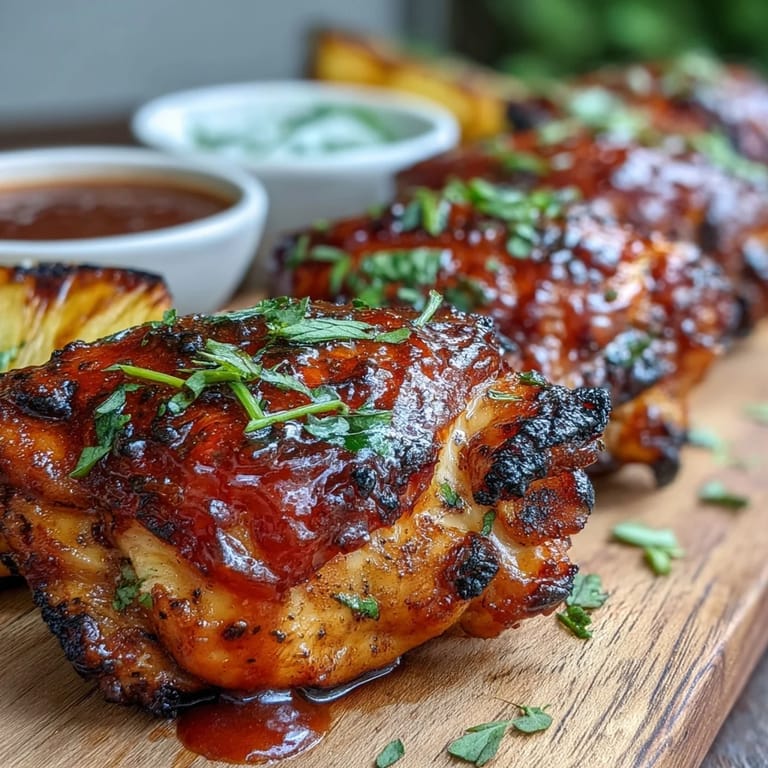
I used to make this with chicken breasts because I thought they were healthier or more elegant, but they always dried out by the time the glaze caramelized. Thighs have enough fat running through them that they forgive longer cooking times and actually taste better for it. The skin gets impossibly crispy while staying attached, and the meat underneath stays so juicy it practically falls off the bone.
Serving and Pairing Ideas
This dish sings alongside bright, refreshing sides that complement rather than compete with the sauce. Grilled pineapple slices caramelize beautifully on a hot grill and echo the tropical notes, while plain white or jasmine rice soaks up every drop of glaze left on the plate. Roasted vegetables like bell peppers or asparagus add color and a slightly charred edge that plays well with the sweet heat.
- Brush lime juice over the finished chicken to brighten the flavors and add a citrus sparkle.
- Make extra sauce and serve it warm on the side for people who love getting that extra coat of glaze.
- Leftovers shred beautifully for tacos or grain bowls the next day.
 Save
Save This recipe reminded me that the best flavors often come from unexpected combinations and small moments of experimentation. Every time I make it, someone asks where I learned to cook like this, and the honest answer is just trial, error, and neighbors who share jars of guava paste.
Your Questions Answered
- → Can I use guava jelly instead of paste?
Yes, guava jelly works as a substitute for guava paste. Since jelly is typically sweeter, reduce the brown sugar in the sauce by about half to maintain the proper balance of flavors.
- → How do I know when the chicken is done?
Use a meat thermometer to check the internal temperature at the thickest part of the thigh. It should read 165°F (74°C). The glaze should be caramelized and sticky, and the juices should run clear when pierced.
- → Can I make the guava BBQ sauce ahead of time?
Absolutely. Prepare the sauce up to one week in advance and store it in an airtight container in the refrigerator. Reheat gently on the stove before glazing the chicken, adding a splash of water if needed to thin.
- → What sides pair well with this dish?
The tropical flavors complement grilled pineapple, coconut rice, roasted sweet potatoes, or fresh cucumber salad. For a lighter option, serve with steamed vegetables or a crisp green salad with citrus vinaigrette.
- → Can I use boneless chicken thighs?
Yes, boneless thighs work well and will cook faster. Reduce the initial roasting time to about 15-18 minutes, then glaze and finish for another 10-15 minutes until cooked through. Watch closely to prevent overcooking.
- → How can I get extra caramelization on the glaze?
After the final roasting time, switch your oven to broil for 2-3 minutes. Watch carefully to prevent burning. The high heat will create beautiful charred spots and intensify the guava flavor.