 Save
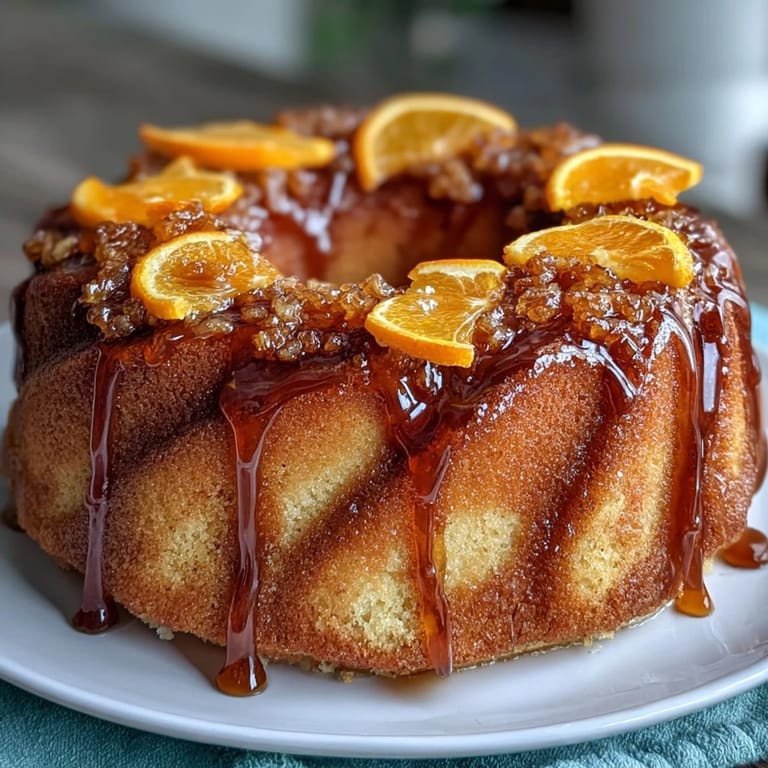
Save There's something almost magical about waking up to the smell of orange rolls baking without having lifted a finger that morning. My neighbor handed me her overnight roll recipe years ago scribbled on the back of a grocery list, and I was skeptical—could dough really just sit in the fridge all night and emerge golden and pillowy? The answer surprised me so completely that I've made these rolls dozens of times since, each batch reminding me why she was so confident about sharing them. Now the ritual feels essential: mixing the dough while evening light hits the kitchen, sliding that pan into the cold darkness, then the payoff of warmth and citrus the next morning.
I tested these for the first time when my sister was visiting with her two kids, and I'll admit I was nervous about timing everything perfectly. What I discovered instead was relief—I prepped the rolls the evening before while we chatted over wine, and the next morning while the kids were still watching cartoons, I simply let them warm up on the counter, popped them in the oven, and made coffee. By the time everyone stumbled downstairs, the kitchen smelled like a bakery and the rolls were cooling just enough to frost. That ease, that sense of being ahead of the day rather than chasing it, is what keeps me coming back.
Ingredients
- All-purpose flour (3 1/2 cups): The foundation that becomes tender and fluffy rather than dense, especially when you knead it properly and let time do the heavy lifting.
- Instant dry yeast (2 1/4 tsp): Use the fresh packets if you can; stale yeast is why some batches rise reluctantly, something I learned by keeping mine in the pantry instead of the freezer.
- Whole milk, lukewarm (3/4 cup): The warmth matters for activating yeast, but overhot milk kills it, so aim for the temperature you'd want for a baby's bottle.
- Unsalted butter, melted (1/4 cup for dough): Melted rather than softened keeps the dough from becoming greasy while still delivering that rich, tender crumb.
- Eggs, room temperature (2 large): Cold eggs resist blending smoothly into the dough, so pull them out while you're measuring other ingredients.
- Fresh orange zest (from 2 large oranges for dough, 1 for filling, 1 for glaze): This is where the magic lives—zest before juicing to avoid wet fruit, and use a microplane so the oils release rather than getting pulped.
- Granulated sugar (1/2 cup for filling): Mixed with the butter and orange zest, it creates a paste that clings beautifully to the rolled dough without dissolving.
- Powdered sugar (1 cup for glaze): Fresh orange juice brings it to the right consistency—start with 2 tablespoons and add more if you prefer it thinner.
Tired of Takeout? 🥡
Get 10 meals you can make faster than delivery arrives. Seriously.
One email. No spam. Unsubscribe anytime.
Instructions
- Combine dry ingredients:
- Whisk together your flour, sugar, yeast, and salt in a large bowl, breaking up any lumps in the sugar so the yeast distributes evenly. This moment of combining feels small, but it ensures the yeast will activate consistently throughout.
- Mix wet ingredients:
- In another bowl, combine the lukewarm milk, melted butter, eggs, and orange zest, stirring until the zest is evenly suspended. The milk should feel warm to your inner wrist but not hot—anything above 120°F risks killing the yeast.
- Bring dough together:
- Pour the wet mixture into the dry ingredients and stir with a wooden spoon or your hand until a shaggy, sticky dough forms. Don't worry about smoothness yet; just make sure no dry flour remains at the bottom of the bowl.
- Knead into elasticity:
- Transfer to a stand mixer with a dough hook or knead by hand for 7–8 minutes until the dough becomes smooth, elastic, and slightly tacky but no longer sticky. You'll feel it transform under your hands as the gluten develops, becoming almost silky.
- First rise:
- Grease a bowl, add your dough, cover loosely with plastic wrap, and let it sit in a warm spot for 1–2 hours until roughly doubled. A warm kitchen corner, turned-off oven, or even a cooler with warm water underneath works perfectly.
- Shape the rolls:
- Punch down the dough gently and roll it out on a lightly floured surface into a 10x16-inch rectangle, working from the center outward. If the dough resists, let it rest for a few minutes—it's telling you it needs a break.
- Fill with butter and zest:
- Spread the softened butter evenly across the dough, leaving a small border, then sprinkle the sugar and orange zest mixture evenly over top. The sugar paste should cling to every surface, creating bursts of flavor in each bite.
- Roll tightly:
- Starting from the longer edge, roll the dough toward you in a tight spiral, sealing the seam with a gentle press of your palm. Tight rolling prevents holes in the center of baked rolls, a lesson I learned by being too gentle the first time.
- Cut into rolls:
- Use a sharp knife or unflavored dental floss (really) to cut the log into 12 even pieces, wiping between cuts so the filling doesn't drag. Even sizes matter because smaller rolls bake faster than larger ones.
- Arrange for overnight rise:
- Place rolls cut-side up in a greased 9x13-inch baking dish, cover tightly with plastic wrap, and refrigerate overnight or up to 12 hours. The cold slows fermentation dramatically, which is exactly what you want.
- Morning warm-up:
- Remove rolls from the fridge and let them sit at room temperature for 45–60 minutes until visibly puffy and soft to a gentle poke. They won't double like fresh dough, but they'll rise noticeably and smell increasingly fragrant.
- Preheat and bake:
- Heat your oven to 350°F while the rolls finish warming, then bake for 22–25 minutes until golden brown on top and a toothpick inserted in the center comes out clean. Watch the last few minutes—they brown quickly once they start.
- Make the glaze:
- While rolls bake, whisk together powdered sugar with 2–3 tablespoons of fresh orange juice and the zest, tasting as you go to balance sweetness and tartness. The consistency should coat a spoon but still drip slowly.
- Finish and serve:
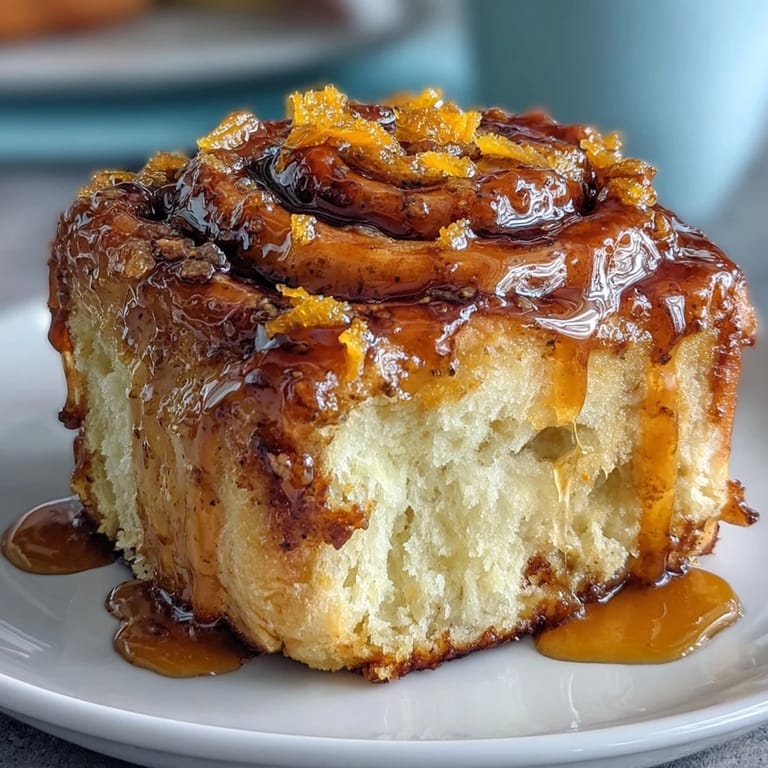
- Drizzle the warm glaze over the rolls straight from the oven, letting it pool in the cinnamon-roll crevices. Serve within minutes while everything is still warm and the glaze is barely set.
 Save
Save These rolls became my signature breakfast item the year my best friend moved to a new house, and I brought a batch to her kitchen warming party along with coffee. Watching her family gather around the still-warm pan, fighting over who got to peel away the glaze first, I realized this recipe does something beyond feeding people—it creates a moment where everyone stops and just enjoys something good. That's what keeps me making them.
The Overnight Method Actually Works
I used to think overnight rising was just a convenient hack, but I've come to understand it's genuinely superior for soft, flavored rolls. The cold temperature slows yeast activity dramatically while bacteria and enzymes continue working, developing subtle sour notes and deepening flavor. This is why professional bakeries favor cold fermentation—it's not laziness, it's strategy. The overnight method also means you're not fighting with warm, sticky dough at midnight or waking up at dawn to tend to rising rolls; everything happens on its own schedule while you sleep.
Why Fresh Orange Zest Changes Everything
The difference between rolls made with zest and those made with extract or juice is immediate and shocking. Fresh zest carries the essential oils that give citrus its brightness, not the bitter edge that sometimes comes with extract or the muted sweetness of juice. I learned this by experimenting one winter when I forgot to zest an orange and tried to substitute orange extract instead—the rolls tasted like artificial perfume compared to the fresh version. Now I'm religious about zesting before juicing, using a microplane to get those delicate, fragrant flakes that distribute throughout every bite.
Variations and Serving Suggestions
These rolls are forgiving enough to take flavor variations without losing their essential character. Substitute half the milk with fresh orange juice for deeper citrus flavor, add a pinch of cardamom to the filling for subtle spice, or mix a touch of vanilla extract into the glaze for complexity. They pair beautifully with strong coffee or Earl Grey tea, and leftovers (if there are any) toast nicely the next day. Here are three variations worth trying:
- Mix cardamom into the filling sugar for a warm, slightly floral spiced note that complements orange perfectly.
- Brush the baked rolls lightly with butter before glazing for an extra rich finish that catches the glaze beautifully.
- If you love citrus, add lemon zest to the glaze for a bright, complex flavor that deepens the orange notes.
 Save
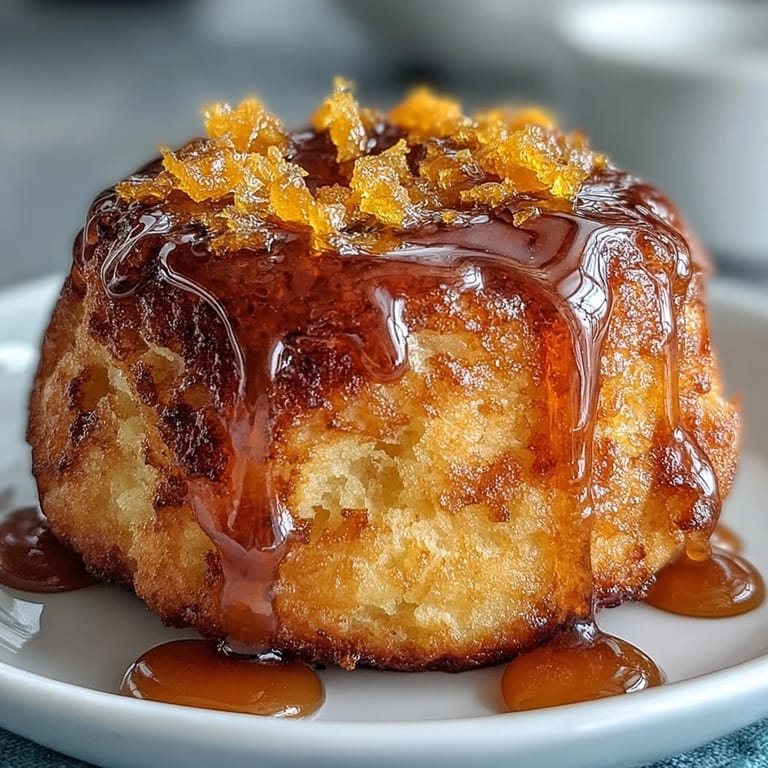
Save There's real joy in opening your oven to rolls that baked while you sipped coffee and lived your morning, emerging golden and fragrant with no stress. Make these rolls once and you'll understand why my neighbor guarded this recipe so carefully.
Your Questions Answered
- → What makes these rolls fluffy and tender?
The overnight rising process allows the dough to develop flavor and structure, resulting in a soft and airy texture perfect for fluffy rolls.
- → Can I substitute orange zest with another citrus?
Yes, lemon or grapefruit zest can be used to offer a different yet complementary citrus note to the rolls.
- → Is it necessary to refrigerate the rolls overnight?
Refrigerating the rolled dough overnight helps to slow fermentation, making the dough easier to handle and intensifying the flavor and texture.
- → How should the glaze be prepared and applied?
The glaze combines powdered sugar, fresh orange juice, and zest whisked until smooth. It is drizzled over warm rolls to add a bright, sweet finish.
- → Can cardamom be added to the filling?
Adding a pinch of cardamom to the filling introduces a subtle spiced layer that complements the citrus and buttery flavors.