 Save
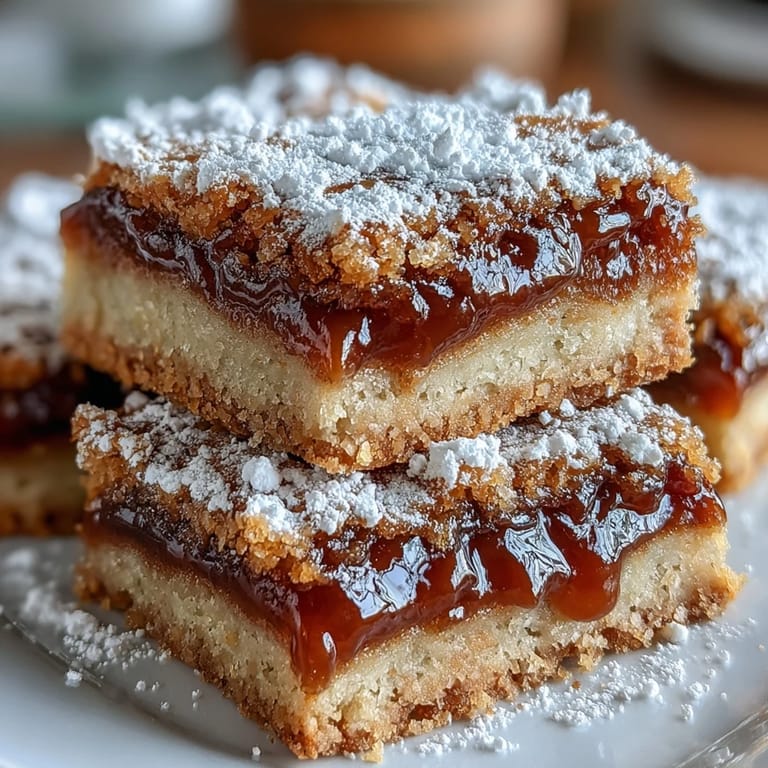
Save A friend handed me a small cup of Earl Grey tea one autumn afternoon, and I was struck by how the floral bergamot somehow made me think of tropical places I'd never been. That evening, while browsing through a cookbook, I spotted guava paste at the market and thought: what if I combined that delicate tea with something bright and unexpected? The result was these bars, which taste like an elegant contradiction—sophisticated yet playful, refined yet adventurous.
I baked these for my book club gathered around a small kitchen table on a rainy evening, and watching people take their first bite—that moment of surprise when the three flavors clicked together—reminded me why I love cooking for others. One guest actually closed her eyes, and I remember thinking that's when you know you've created something memorable.
Ingredients
- Unsalted butter: Use high-quality butter at room temperature so it creams smoothly with sugar, creating that tender, buttery base.
- Granulated sugar: Essential for both sweetness and structure; don't skip the creaming step in the crust.
- All-purpose flour: This is your foundation, and measuring by weight (if you have a scale) prevents dense, heavy bars.
- Earl Grey tea bags: Buy loose tea or quality bags; cheap tea tastes dusty and bitter instead of floral and elegant.
- Guava paste: Look for thick, concentrated paste in the Latin foods aisle, not watered-down jelly—the texture matters tremendously.
- Eggs: Room temperature eggs whisk more evenly into the filling, creating a lighter, more custard-like texture.
- Fresh lemon juice: Never use bottled; the difference between fresh and preserved is honestly the difference between delicious and disappointing.
- Lemon zest: This brightens everything, adding tiny pops of citrus oil that you'll taste in every bite.
- Powdered sugar: A final gentle dusting transforms these from homemade to bakery-worthy.
Tired of Takeout? 🥡
Get 10 meals you can make faster than delivery arrives. Seriously.
One email. No spam. Unsubscribe anytime.
Instructions
- Preheat and prepare:
- Set your oven to 350°F and line your pan with parchment, leaving edges that hang over—this is your safety net for lifting these out without crumbling. Trust me on the overhang.
- Build the tea-infused crust:
- Cream butter and sugar until it looks pale and fluffy, about 2 minutes. Add flour, salt, and the tea leaves scraped from the bag, mixing until everything resembles damp sand. Press this firmly and evenly into the pan, then bake until the edges turn light golden, around 18-20 minutes—you want it set but still pale in the center.
- Soften the guava layer:
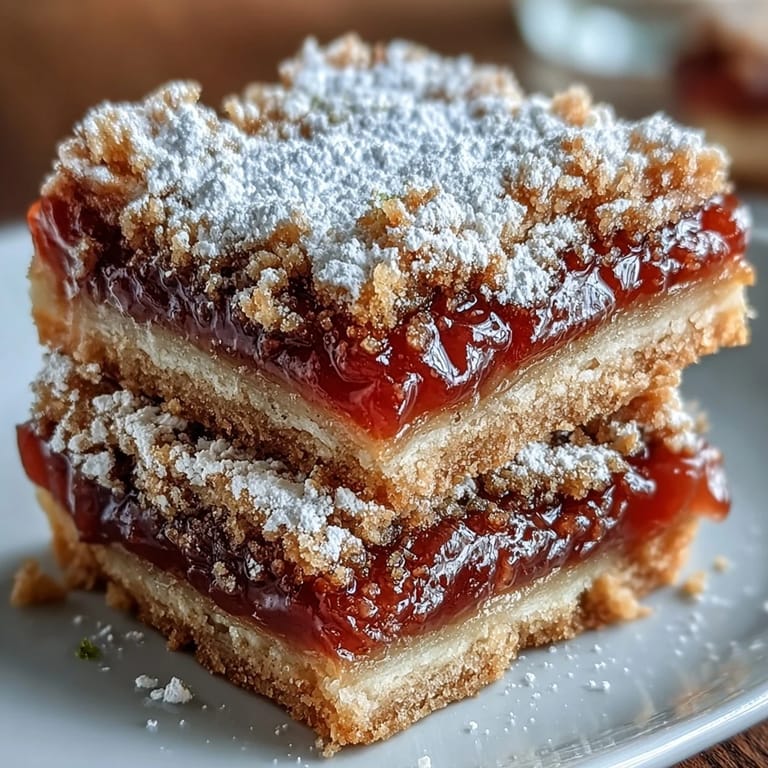
- While the crust bakes, warm guava paste with a little water over low heat, stirring gently until it becomes spreadable and glossy. Don't let it bubble or brown—you want that rich pink color intact. Spread it generously over the hot crust the moment it comes from the oven; the warmth helps it settle beautifully.
- Whisk the lemon-Earl Grey custard:
- In a bowl, whisk eggs and sugar until the mixture becomes pale and slightly thick, which takes about a minute of real effort. Add flour, baking powder, and tea leaves, then the lemon juice, zest, and salt, whisking until smooth and fully incorporated. The mixture should smell like sunshine and flowers.
- Bake the filling:
- Pour this custard over your guava layer and return to the oven for 15-18 minutes. The bars are done when the center no longer jiggles dramatically when you gently shake the pan—there should be just the tiniest wobble. Don't overbake or you'll lose that silky texture.
- Cool and chill:
- Let the pan cool completely on a wire rack, which takes about an hour, then refrigerate for at least 2 hours. This resting time is non-negotiable; it firms up the layers and lets the flavors become friends instead of strangers.
- Cut and finish:
- Use the parchment overhang to lift the entire block from the pan, then cut into 16 even squares with a sharp knife, wiping between cuts if you want clean edges. A final snowfall of powdered sugar makes them look like you attended culinary school.
 Save
Save My sister brought these to a potluck once and someone asked for the recipe, then made them for their wedding shower. It was surreal seeing something I'd created in my small kitchen become part of someone else's celebration.
The Tea Secret That Changes Everything
If you want the Earl Grey flavor to really sing, try steeping two full tea bags directly in the fresh lemon juice for about 10 minutes before straining it into the filling. The citric acid in the lemon actually extracts more of the bergamot oils, creating this sophisticated depth that casual bar-goers won't quite be able to name—they'll just know something is delightfully different. I discovered this by accident when I steeped the juice while answering a phone call and forgot about it for twenty minutes.
Flavor Pairing and Presentation
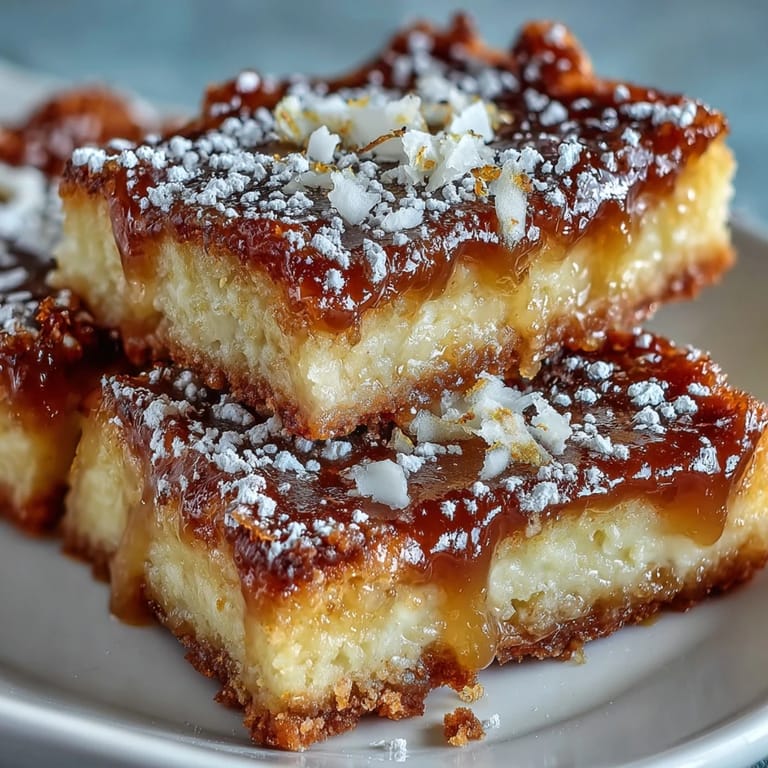
These bars are genuinely elevated by what you serve alongside them. A cup of hot Earl Grey is the obvious choice, but I've also had success pairing them with sparkling rosé or even a light prosecco, where the bubbles contrast beautifully with the rich, custardy filling. The powdered sugar dusting isn't just decoration—it softens the visual intensity of the guava pink and makes them look intentional and polished.
Storage and Make-Ahead Wisdom
These bars actually improve as they sit, with flavors deepening and layers melding together over a day or two in an airtight container. They keep beautifully in the refrigerator for about four days, and you can even freeze them (minus the powdered sugar) for up to a month, which makes them perfect for unexpected guests or your own moment of weakness at midnight. The one thing I've learned is to dust with powdered sugar only right before serving, or humidity will turn it grainy.
- Cut bars while cold, then bring to room temperature for serving if you prefer softer, more tender bites.
- If you can't find guava paste, use guava jelly in a pinch, though you may need to warm it longer to reach the right spreadable consistency.
- For a less sweet version, reduce the filling sugar slightly and increase the lemon juice, trusting the guava to carry enough sweetness.
 Save
Save These bars have become the dessert I make when I want someone to feel truly seen and cherished. There's something about combining three distinct flavors that refuse to compete but instead create harmony together—it feels like a small edible love letter.
Your Questions Answered
- → Can I make Earl Grey guava lemon bars ahead of time?
Yes, these bars actually improve with time. You can make them up to 2 days in advance and store them in the refrigerator. The flavors meld beautifully, and the texture becomes more firm and sliceable. Dust with powdered sugar just before serving for the freshest appearance.
- → What's the best way to cut clean, even bars?
For clean cuts, refrigerate the finished bars for at least 2 hours or overnight. Use a sharp knife dipped in hot water and wiped clean between cuts. The chilled, firm texture prevents crumbling and ensures professional-looking squares. Lift the entire slab from the pan using parchment paper overhang before cutting.
- → Can I substitute the guava paste?
Yes, guava jelly or membrane can work as alternatives. Guava jelly spreads more easily but may be slightly sweeter. If using guava membrane, cook it down with a splash of water similar to the paste method. The flavor profile remains tropical and sweet, though the texture may vary slightly.
- → How can I intensify the Earl Grey flavor?
Steep 2 Earl Grey tea bags in the freshly squeezed lemon juice for 10 minutes before incorporating it into the filling. Strain thoroughly to remove tea leaves. You can also add the contents of an additional tea bag to the crust mixture for a more pronounced bergamot essence throughout both layers.
- → What's the ideal serving temperature?
These bars are best served chilled or at cool room temperature. The buttery crust holds its shape better when cold, while the filling achieves its smoothest texture. Remove from the refrigerator 15-20 minutes before serving if you prefer a softer consistency, but avoid prolonged exposure to warm temperatures.
- → Can I freeze these dessert bars?
Absolutely. Wrap the uncut slab tightly in plastic wrap and foil, or cut into individual squares and store in an airtight container with parchment paper between layers. Freeze for up to 2 months. Thaw overnight in the refrigerator before serving and add fresh powdered sugar garnish.