 Save
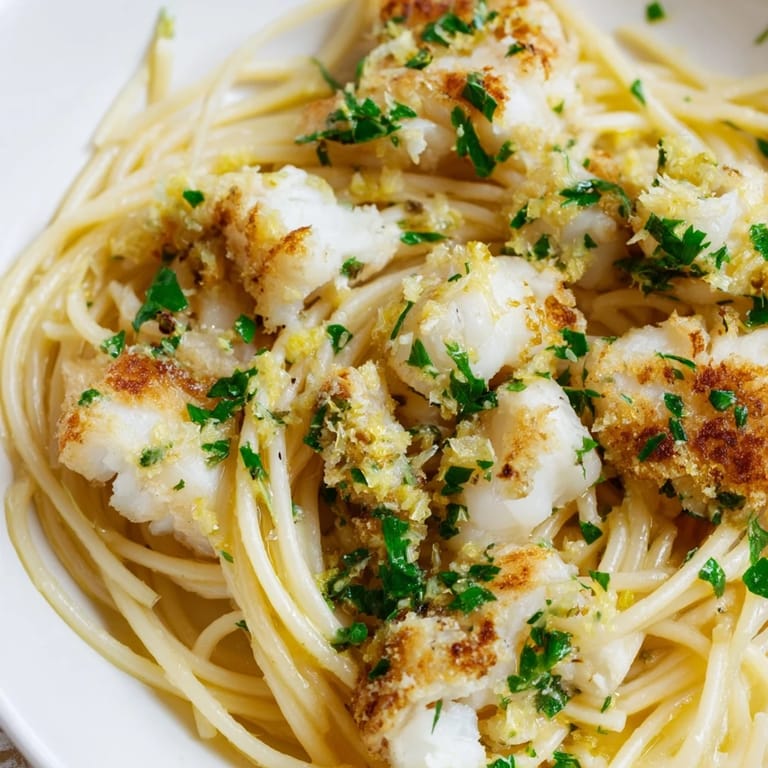
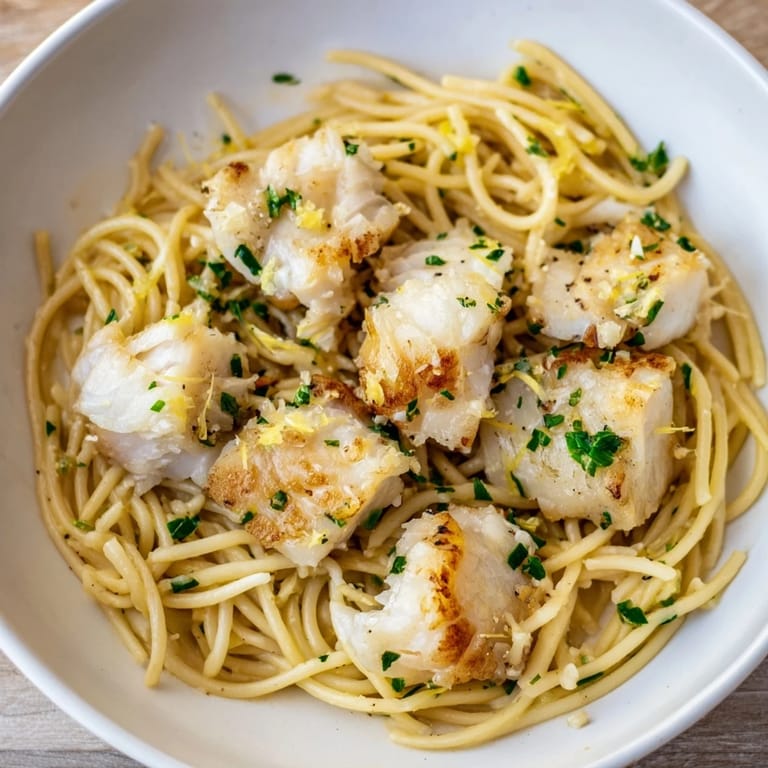
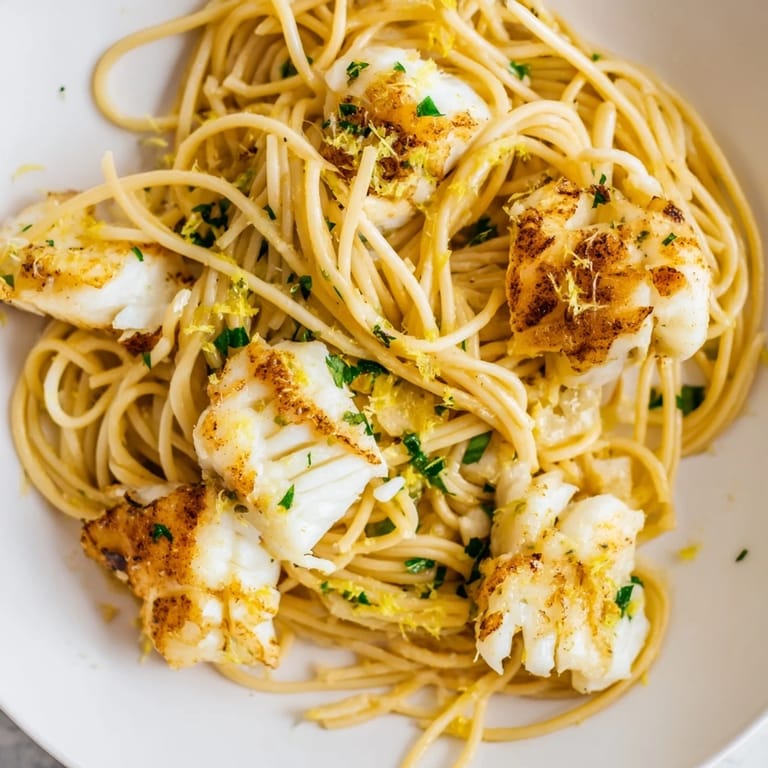
Save The brilliant simplicity of Crispy Fish Pasta struck me during a spontaneous coastal weekend getaway last spring. Our vacation rental had minimal ingredients but a splendid fish market down the road. With fresh fish fillets and a box of pasta in hand, I created this dish out of necessity, watching with delight as the golden fish flakes clung beautifully to the strands of pasta. The contrast of textures – crispy fish against tender pasta – was an unexpected revelation that evening.
Last summer, I served this pasta during an impromptu dinner when my brother and his family arrived unannounced. The kitchen windows were open, catching the evening breeze as the aroma of garlic and lemon filled the air. My usually picky niece asked for seconds, then thirds, and now requests this dish whenever they visit. Sometimes the most treasured family favorites emerge from the most unexpected moments.
Ingredients
- Firm white fish fillets: I prefer cod for its substantial flake and sweet flavor, though I learned that haddock creates smaller, more delicate pieces throughout the pasta.
- All-purpose flour: Just a light dusting creates that golden exterior without weighing down the fish or turning gummy.
- Spaghetti or linguine: The long strands become perfect vehicles for capturing bits of fish and herbs in every bite.
- Lemon zest and juice: The brightness cuts through the richness of the fish and brings everything together.
- Fresh herbs: Parsley and chives offer different notes of freshness that dried herbs simply cannot match.
Tired of Takeout? 🥡
Get 10 meals you can make faster than delivery arrives. Seriously.
One email. No spam. Unsubscribe anytime.
Instructions
- Cook your pasta base:
- Bring a large pot of water to a rolling boil, add salt until it tastes like seawater, then add your pasta and cook until just al dente. Remember to reserve some of that starchy pasta water before draining.
- Prepare and fry the fish:
- Pat those fillets completely dry with paper towels before seasoning and dredging in flour. You want to hear that satisfying sizzle when they hit the hot oil, creating a golden crust that will add texture throughout the dish.
- Create the flavor foundation:
- After removing the fish, the same pan becomes a treasure trove of flavor as butter melts into the fishy bits left behind. Watch how the garlic dances in the butter, turning fragrant without browning.
- Bring everything together:
- When tossing the pasta with the aromatics, add pasta water gradually until you see that silky sheen develop. The pasta should slide effortlessly in the pan.
- Incorporate the fish:
- Use a gentle folding motion rather than vigorous stirring when adding the flaked fish. Those golden edges are precious cargo that should remain intact for textural contrast.
 Save
Save 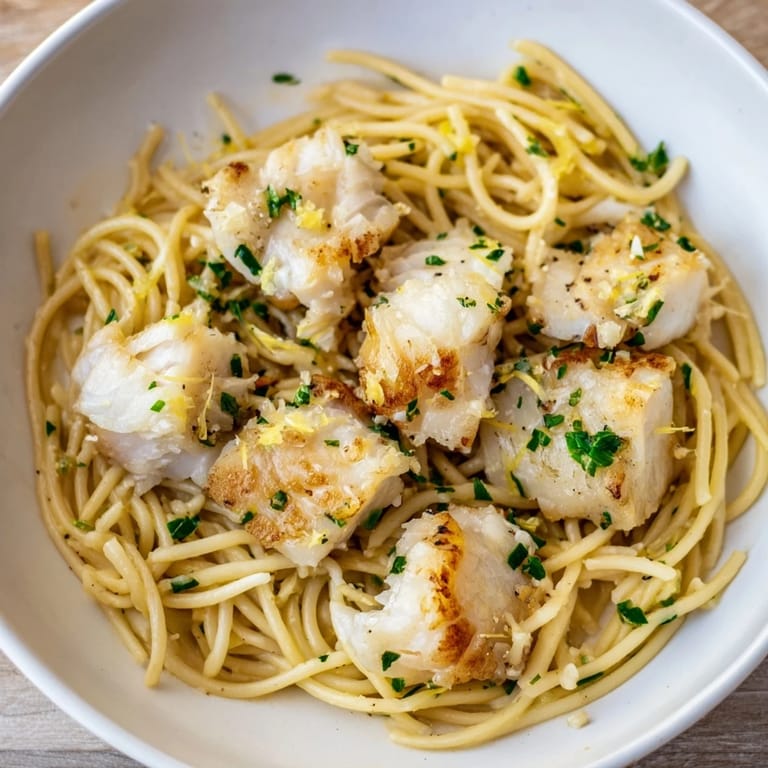 Save
Save I remember preparing this dish during a power outage, working by candlelight with my daughter holding a flashlight over the stove. The flickering light cast dancing shadows as we worked together, laughing at our makeshift cooking conditions. When we finally sat down to eat, the warmth of the pasta and the zesty aroma seemed even more comforting in our darkened dining room, making an inconvenience transform into what became one of our favorite family memories.
Perfect Pairings
Through much delicious experimentation, I found this pasta truly shines alongside a crisp glass of Sauvignon Blanc or Pinot Grigio. The wine cuts through the richness of the fish while complementing the citrus notes. For a non-alcoholic option, sparkling water with a squeeze of lemon and a sprig of mint creates a refreshing counterpoint that cleanses the palate between bites.
Substitutions & Variations
My freezer isnt always stocked with the ideal fish, so Ive made this with practically every firm white fish available at my local market. Tilapia creates smaller, more delicate flakes while sea bass offers a buttery richness that feels more indulgent. Once when hosting a gluten-sensitive friend, I used a brown rice pasta and rice flour for dredging, discovering it created an even crispier fish exterior that everyone preferred.
Storing & Reheating
After accidentally making too much for a small dinner gathering, I discovered this pasta reheats surprisingly well despite containing fish. The key is gentle rewarming in a covered skillet with a splash of water or broth to revive the sauce.
- Store leftovers in an airtight container in the refrigerator for up to 2 days, keeping in mind the texture will change slightly.
- When reheating, add a drizzle of olive oil and squeeze of fresh lemon juice to refresh the flavors.
- Avoid microwaving if possible as it can make the fish rubbery and overpower your kitchen with fish aroma.
 Save
Save 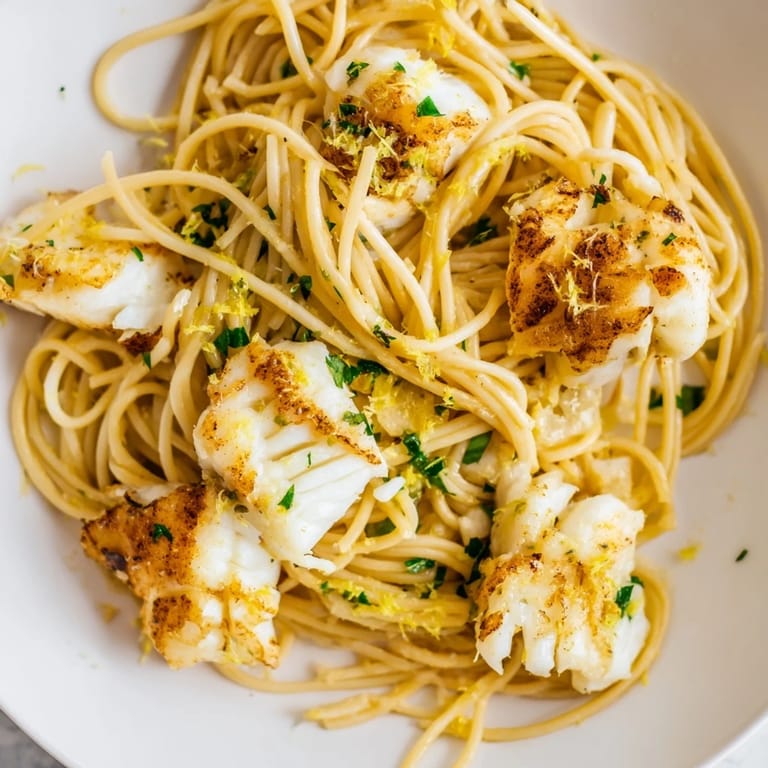 Save
Save This crispy fish pasta has saved countless weeknight dinners in my home, proving that extraordinary meals dont require extraordinary effort. The magic happens in those simple moments when quality ingredients meet thoughtful preparation, creating something greater than the sum of its parts.
Your Questions Answered
- → What type of fish works best for this dish?
Firm white fish like cod, haddock, sea bass, tilapia, or snapper are ideal. These varieties hold their shape when pan-fried and flake beautifully into the pasta. Avoid delicate fish that may break apart too easily during cooking.
- → Can I make this dish gluten-free?
Yes, simply substitute the all-purpose flour with gluten-free flour for dredging the fish and use gluten-free pasta. The cooking method and flavors remain the same, delivering an equally delicious result.
- → How do I achieve crispy fish without drying it out?
Pat the fish dry before seasoning and dredging to remove excess moisture. Cook at medium-high heat for 3-4 minutes per side until golden. Don't overcook—the residual heat will continue cooking the fish after you remove it from the pan.
- → What can I substitute for butter to make this dairy-free?
Replace the unsalted butter with extra virgin olive oil in equal amounts. The olive oil will provide a rich, fruity flavor that complements the lemon and herbs beautifully while keeping the dish dairy-free.
- → Why is reserved pasta water important?
Pasta water contains starch that creates a silky, cohesive sauce coating the pasta and fish. Use it gradually while tossing to reach your desired consistency—a little goes a long way in creating that restaurant-quality finish.
- → What wine pairs well with this dish?
Crisp, light white wines like Sauvignon Blanc or Pinot Grigio complement the fresh lemon and herb flavors beautifully. The acidity and citrus notes in these wines enhance the brightness of the dish.