 Save
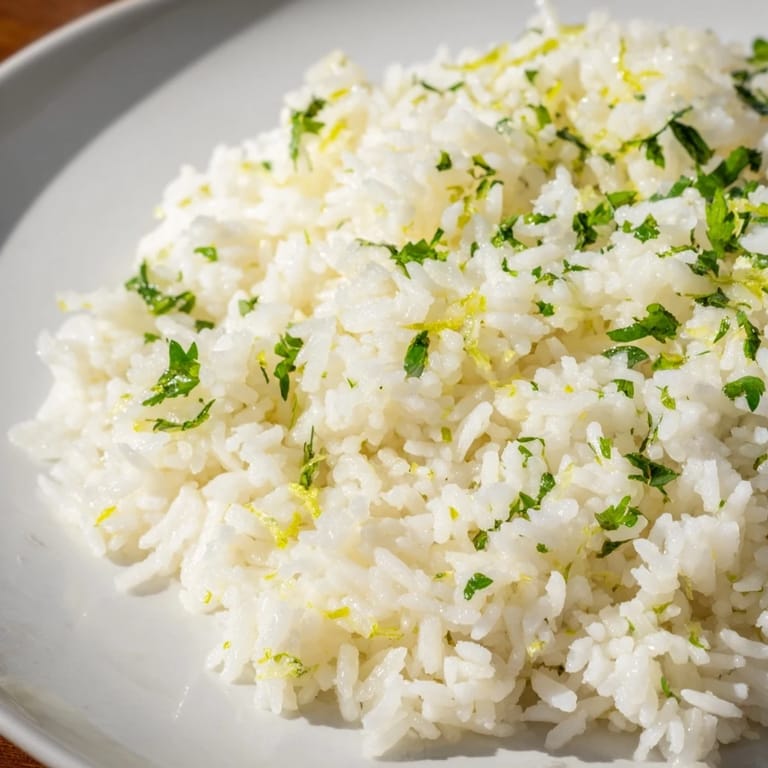
Save There's something almost meditative about standing at the stove with lime zest under your fingernails and cilantro wilting on the cutting board, knowing you're about thirty seconds away from transforming plain rice into something that smells like summer. I stumbled onto my version of cilantro lime rice during a phase where I was trying to recreate every good meal I'd had at casual restaurants, and it turns out the magic isn't complicated at all—it's just three things that actually like each other. The first time I made it, I forgot the toasting step entirely and the rice still turned out tender and bright, which taught me that sometimes the journey matters less than the intention. Now it's become my quiet answer to "what should we make for dinner tonight."
I made this rice for a casual dinner party last summer where my friend Sarah brought homemade carnitas and I was tasked with bringing "something that goes with them." The rice sat there steaming on the counter, and within minutes people were eating it by the spoonful straight from the pot—not even waiting for the main dish. That's when I realized cilantro lime rice had quietly become the kind of dish that made me feel like I knew what I was doing in the kitchen.
Ingredients
- Long-grain white rice: Use whatever quality you have—the rinsing step matters way more than the brand, and it'll give you individual, fluffy grains instead of a starchy clump.
- Water: The ratio of water to rice is the foundation of everything; stick to the 2:1 measurement unless your rice bag says otherwise.
- Neutral oil: Canola or vegetable oil gets the rice toasted just enough to wake it up without taking over the flavor.
- Salt: Taste as you go—some people like more, some prefer to season their final dish instead.
- Fresh cilantro: The fresher the better, and chop it by hand rather than a food processor so it doesn't turn into cilantro paste.
- Fresh lime juice and zest: One lime gives you both without any extra work; the zest adds brightness and the juice adds tang.
- Unsalted butter: Optional, but it rounds out the flavors in a way that makes you pause mid-bite and wonder what you're tasting.
Tired of Takeout? 🥡
Get 10 meals you can make faster than delivery arrives. Seriously.
One email. No spam. Unsubscribe anytime.
Instructions
- Rinse the rice until it stops being cloudy:
- Put the rice in a fine-mesh strainer and run cold water over it, stirring gently with your fingers for about thirty seconds until the water runs mostly clear. This removes excess starch and prevents the rice from turning gluey.
- Toast the rice in hot oil:
- Heat oil in your saucepan over medium heat, then add the rinsed rice and stir constantly for about a minute—you're looking for the rice grains to start turning slightly translucent and smell a little nutty. This step is optional but worth doing if you have the minute to spare.
- Add water and salt, then simmer:
- Pour in the water, add salt, and bring everything to a boil. The moment it boils, reduce heat to low, cover, and let it sit for 15–18 minutes without peeking. The steam does the work while you relax.
- Let it rest, covered:
- Remove the pan from heat and keep the lid on for five minutes; this lets any remaining moisture distribute evenly and prevents the bottom layer from getting crunchy.
- Fluff and finish with the bright stuff:
- Use a fork to gently separate the grains, then add butter if you're using it, followed by lime juice, zest, and cilantro. Stir until everything is evenly distributed and the rice smells incredible.
 Save
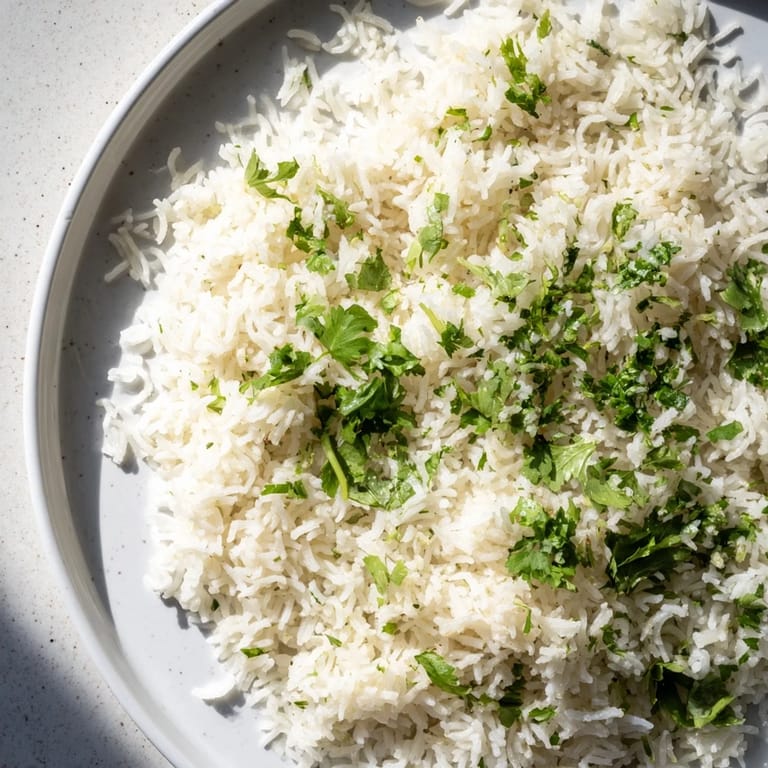
Save There's a quiet satisfaction in watching someone try your cilantro lime rice for the first time and seeing their expression shift—that moment where they realize a side dish can be just as interesting as the main event. It's taught me that sometimes the simplest things, made with attention, are what people actually remember about a meal.
Flavor Swaps and Variations
Once you've made this rice a couple of times, you'll start seeing possibilities everywhere. Swap the water for broth—chicken, vegetable, or even seafood—and you've got a richer, more savory base that makes the cilantro and lime feel even brighter by comparison. A minced garlic clove added during the oil stage brings an earthy depth that some people swear by, or a teaspoon of cumin can push it in a warmer, more spiced direction. I've even added a handful of corn kernels or finely diced red bell pepper for color and texture, though purists might argue that's crossing into pilaf territory.
Pairing Ideas
This rice is the bridge that connects your protein to everything else on the plate—it doesn't fight, it supports. It's equally at home alongside grilled fish, carnitas, roasted vegetables, or a simple black bean situation where the rice does most of the heavy lifting flavor-wise. The brightness means it plays well with anything spiced or smoky, and it won't overpower delicate flavors the way a heavier rice dish might.
Storage and Make-Ahead Tips
Cilantro lime rice keeps beautifully in the refrigerator for three to four days, though the cilantro flavor will fade slightly over time, so you might want to stir in extra fresh cilantro when you reheat it. To reheat, add a splash of water and warm it gently on the stove or in the microwave, stirring occasionally so it doesn't dry out. If you're making this ahead for a party or meal prep situation, add the cilantro and lime juice right before serving for maximum freshness and vibrancy.
- Pro tip: zest your limes before you juice them—it's way easier to zest a whole lime than to zest a juiced lime half.
- If you're doubling the recipe, use the same ratios and just give the cooking time an extra minute or two.
- Leftover rice can be fried the next day in a hot skillet with a scrambled egg and soy sauce for a quick lunch.
 Save
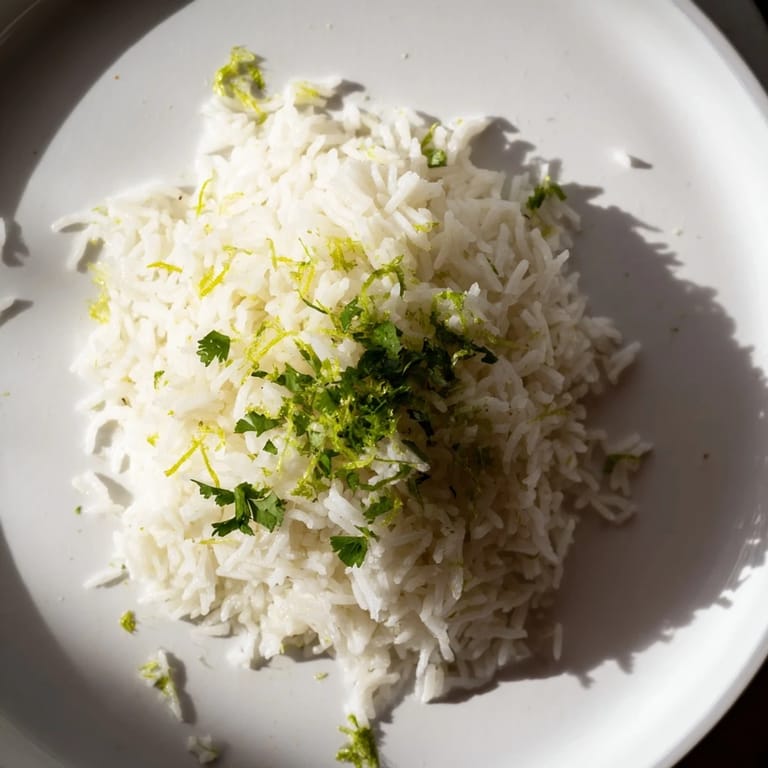
Save This rice has become the kind of dish I make without thinking, which is exactly the mark of a good recipe. It's taught me that simple things executed well are often better than complicated things executed perfectly.
Your Questions Answered
- → How do I achieve fluffy rice texture?
Rinsing the rice until water runs clear removes excess starch, preventing clumping. Sautéing rice slightly in oil before cooking also helps maintain separate, tender grains.
- → Can I replace water with broth?
Yes, substituting half or all of the water with low-sodium chicken or vegetable broth enhances depth and savory notes without overpowering the fresh flavors.
- → What is the role of lime zest in this dish?
Lime zest adds concentrated citrus oils, contributing bright, aromatic notes that complement the subtle herbaceousness of cilantro and balance the dish’s flavors.
- → Are there vegan alternatives for the butter?
Plant-based butter or oils like olive or avocado can replace butter to introduce richness while keeping the dish vegan-friendly.
- → Is it necessary to sauté the rice before simmering?
Sautéing coats rice grains with oil, which enhances flavor and prevents sticking, resulting in a fluffier final texture.