 Save
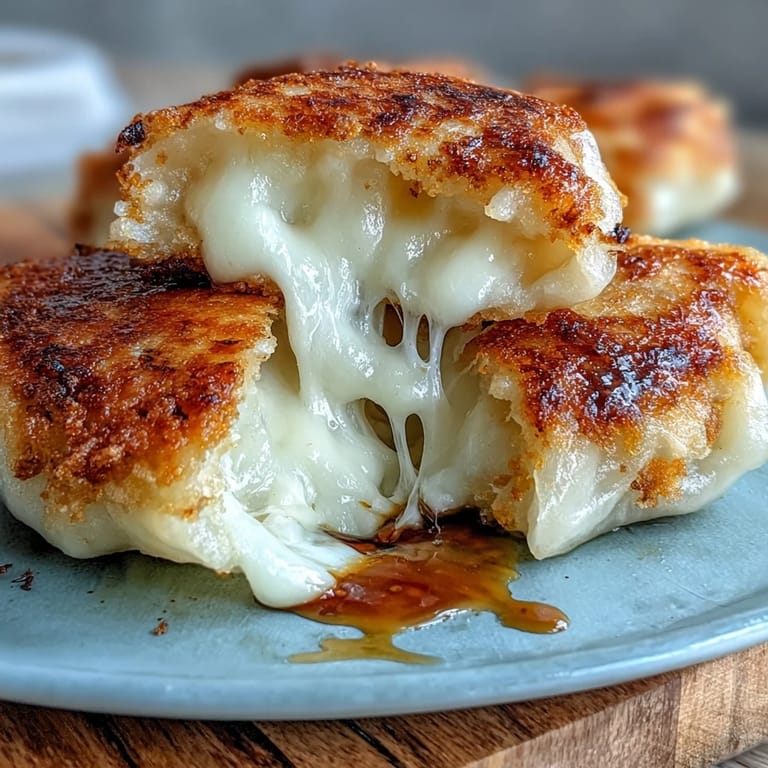
Save The first time I bit into one of these, I wasn't prepared for the molten cheese pull that followed. A friend had brought them to a potluck, still warm and glistening with that sticky glaze, and I spent the rest of the evening trying to pry the recipe out of her. She finally caved after I promised to babysit her sourdough starter for a week. Worth it.
I started making these on rainy Sunday afternoons when I wanted something comforting but didn't want to commit to a full meal. My daughter would stand on her stool and help me roll the dough balls, always sneaking extra cheese into hers. Now she requests them for her birthday instead of cake, which tells you everything you need to know.
Ingredients
- Russet potatoes: Their high starch content makes the dough perfectly chewy without being gummy, and they mash smoother than waxy varieties.
- Potato starch: This is what gives imomochi that signature bounce, cornstarch works in a pinch but the texture won't be quite as elastic.
- Unsalted butter: Adds richness and helps the dough come together without making it greasy, plus it browns beautifully when you fry them.
- Mozzarella cheese: Melts into those glorious cheese pulls, but I've used cheddar when I wanted something sharper and it was fantastic.
- Soy sauce: The salty umami backbone of the glaze, use good quality stuff because you'll taste every drop.
- Honey: Balances the soy with sweetness and helps the glaze cling and caramelize on the surface.
- Mirin: Brings a subtle sweetness and that authentic Japanese flavor, don't skip it even though you're tempted.
- Rice vinegar: A tiny splash cuts through the richness and keeps the glaze from being cloying.
Tired of Takeout? 🥡
Get 10 meals you can make faster than delivery arrives. Seriously.
One email. No spam. Unsubscribe anytime.
Instructions
- Boil the potatoes:
- Drop those chopped potatoes into salted boiling water and let them go until a fork slides through like butter, usually 12 to 15 minutes. Drain them well so you don't end up with watery dough.
- Mash and season:
- Mash while they're still hot, the steam helps everything blend smoothly, then stir in butter and salt until it looks like creamy clouds. Don't let them cool too much or the butter won't melt in properly.
- Form the dough:
- Work in the potato starch with your hands, kneading gently until it feels soft and slightly tacky. If it sticks to your palms like glue, dust in a bit more starch until it behaves.
- Stuff and shape:
- Divide into 8 pieces, flatten each into a disc, tuck a cheese cube in the middle, and pinch the edges to seal it like a little dumpling. Make sure there are no gaps or the cheese will leak out during frying.
- Pan-fry until golden:
- Heat oil over medium heat and add the dumplings, turning them every couple minutes until every side is crisp and golden brown. This takes about 6 to 8 minutes and your patience will be rewarded.
- Glaze and finish:
- Mix your soy sauce, honey, mirin, and vinegar in a small bowl, pour it into the skillet, and toss the dumplings gently as the sauce bubbles and thickens around them. Let it cook for a minute or two until everything is glossy and sticky.
 Save
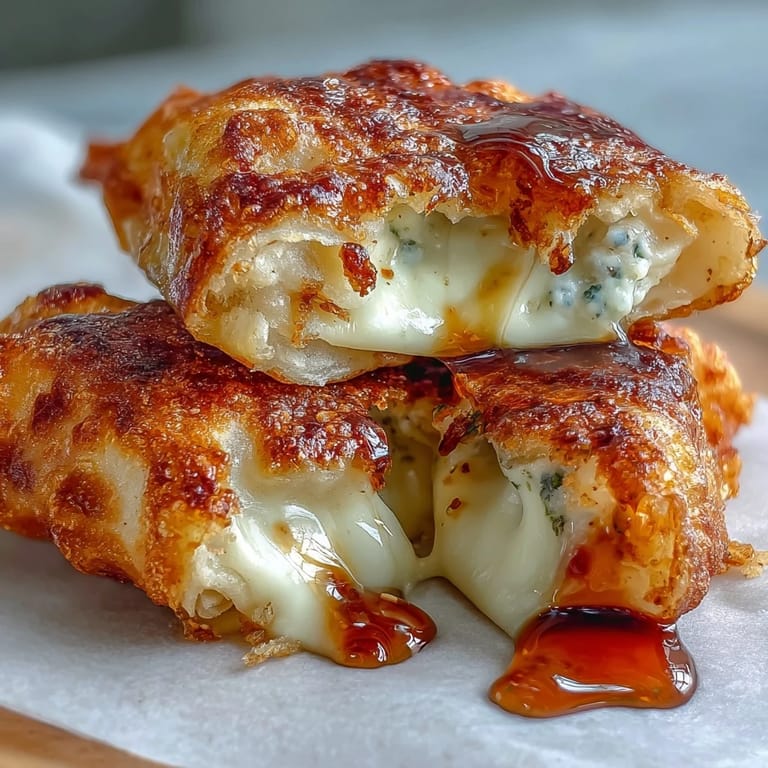
Save The first time I served these at a dinner party, conversation stopped mid-sentence when people bit into them. Someone actually closed their eyes and sighed, and I knew I'd found a keeper. Now they're my secret weapon whenever I need to impress without breaking a sweat.
What to Serve Them With
I love these alongside a crisp green salad with sesame dressing, or just on their own with cold beer and good company. They're filling enough to be a light meal but casual enough to nibble on while standing around the kitchen counter talking. Sometimes I'll put out a little dish of extra glaze for dipping, because there's no such thing as too much of that sticky goodness.
Storage and Reheating
Leftovers keep in the fridge for about two days, though they never last that long in my house. Reheat them in a hot skillet with a tiny splash of water to steam them back to life, then let the water evaporate so they crisp up again. The microwave will make them sad and rubbery, so resist the urge even when you're in a hurry.
Variations Worth Trying
Once you've mastered the basic version, the world opens up. I've tucked in little cubes of cheddar and bacon bits, swapped the glaze for a spicy gochujang sauce, and even made a sweet version with brown sugar butter instead of the soy glaze. My favorite experiment was adding a tiny pinch of shichimi togarashi to the dough for a subtle kick that sneaks up on you.
- Try gouda or gruyere for a nuttier, more complex cheese pull.
- Add finely chopped scallions or chives directly into the dough for little bursts of freshness.
- Brush them with melted garlic butter right after frying if you want to go full indulgent.
 Save
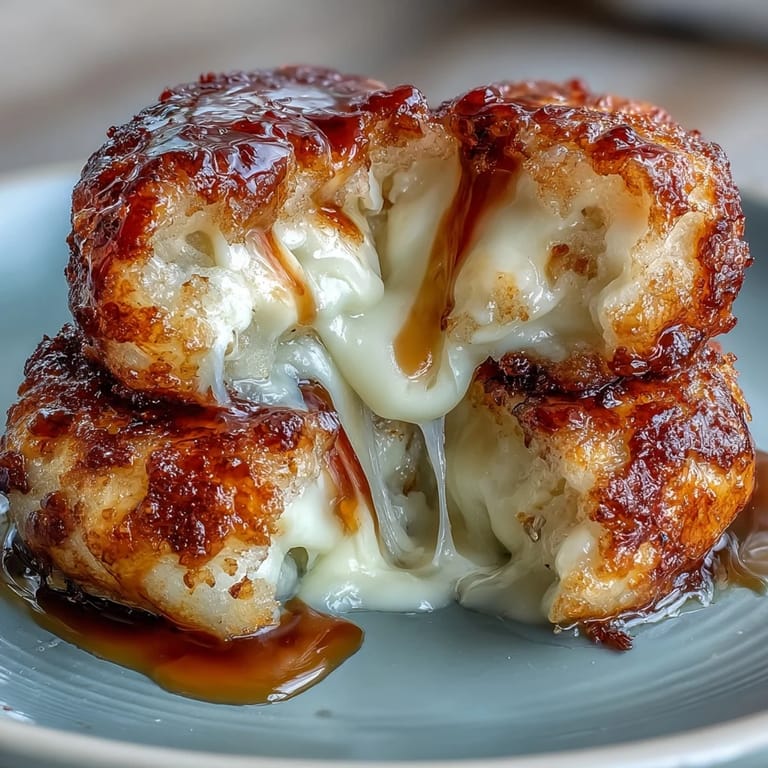
Save There's something deeply satisfying about pulling apart a golden dumpling and watching the cheese stretch between the halves. Make these once and they'll become part of your regular rotation, I promise.
Your Questions Answered
- → Can I use sweet potatoes instead of russet potatoes?
While russet potatoes work best due to their starchy texture, you can use sweet potatoes for a slightly sweeter variation. You may need to adjust the amount of starch to achieve the right consistency.
- → What's the best cheese for imomochi?
Mozzarella is traditional for its excellent melting properties, but cheddar, gouda, or even cream cheese work wonderfully. Choose based on your preferred flavor intensity and melt texture.
- → How do I prevent the dumplings from falling apart while cooking?
Ensure the dough is well-sealed around the cheese and not too wet. Let them rest for a few minutes before frying, and use medium heat to allow gradual browning without breaking.
- → Can I make these ahead of time?
Yes, you can shape the dumplings and refrigerate them for up to 24 hours before frying. You can also freeze them uncooked for up to a month and cook directly from frozen, adding a few extra minutes.
- → What can I serve with imomochi?
These pair beautifully with a fresh Asian-style salad, pickled vegetables, or miso soup. They also work as part of a bento box or alongside other Japanese appetizers like edamame or gyoza.
- → Is potato starch necessary or can I only use cornstarch?
Potato starch gives the most authentic chewy texture, but cornstarch is an acceptable substitute. The texture may be slightly less elastic, but the dumplings will still be delicious.