 Save
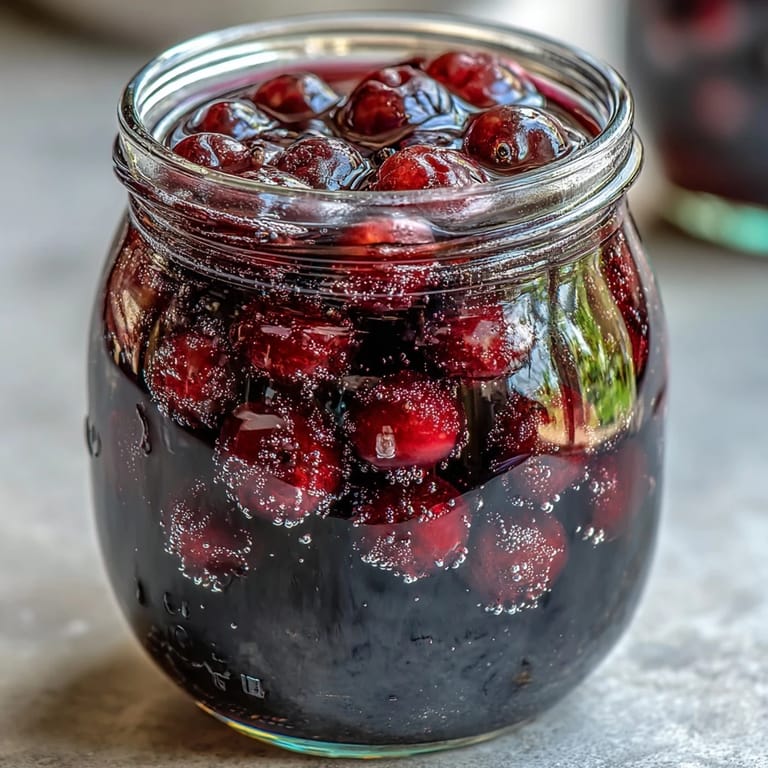
Save There's something almost magical about watching clear vodka transform into liquid jewels over the course of a few weeks. My first batch happened by accident—I had a glut of blackcurrants from a farmer's market haul and a bottle of vodka sitting in my cupboard, and suddenly I was experimenting. What started as curiosity became an obsession, and now I can't imagine my winter drinks cabinet without a bottle of this deep, aromatic liqueur catching the light.
I remember gifting bottles of this to friends one December, watching their faces light up when they tasted it neat, chilled in a small glass. One friend immediately asked for the recipe, another mixed it into her holiday cocktails, and suddenly I was the person who made the special liqueur. That moment taught me that homemade spirits carry a different kind of generosity than store-bought gifts—there's time and intention baked into every bottle.
Ingredients
- Fresh or frozen blackcurrants (500 g): These small, dark berries are packed with flavor and natural pectin; frozen ones work beautifully and are often easier to find than fresh, plus they've already gone through a freeze-thaw cycle that helps release their juices.
- Quality neutral vodka (750 ml): Don't skimp here—the vodka is your canvas, so a smooth, clean spirit makes all the difference; cheaper vodkas can taste harsh after infusing.
- Granulated sugar (250–350 g): This isn't just about sweetness; sugar helps draw out the berry juices and preserves the liqueur naturally, so the range lets you dial in exactly what you want.
Tired of Takeout? 🥡
Get 10 meals you can make faster than delivery arrives. Seriously.
One email. No spam. Unsubscribe anytime.
Instructions
- Prepare your berries:
- Give the blackcurrants a gentle rinse and pick through them carefully, removing any stems or leaves—these can impart bitter or unwanted flavors. If using fresh berries, pat them dry with a clean cloth.
- Sterilize and layer:
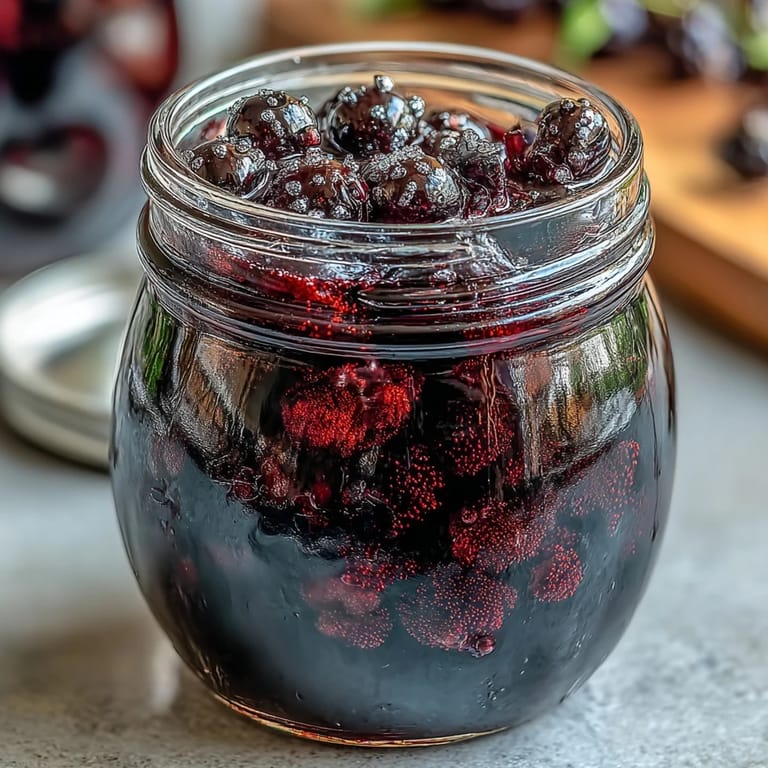
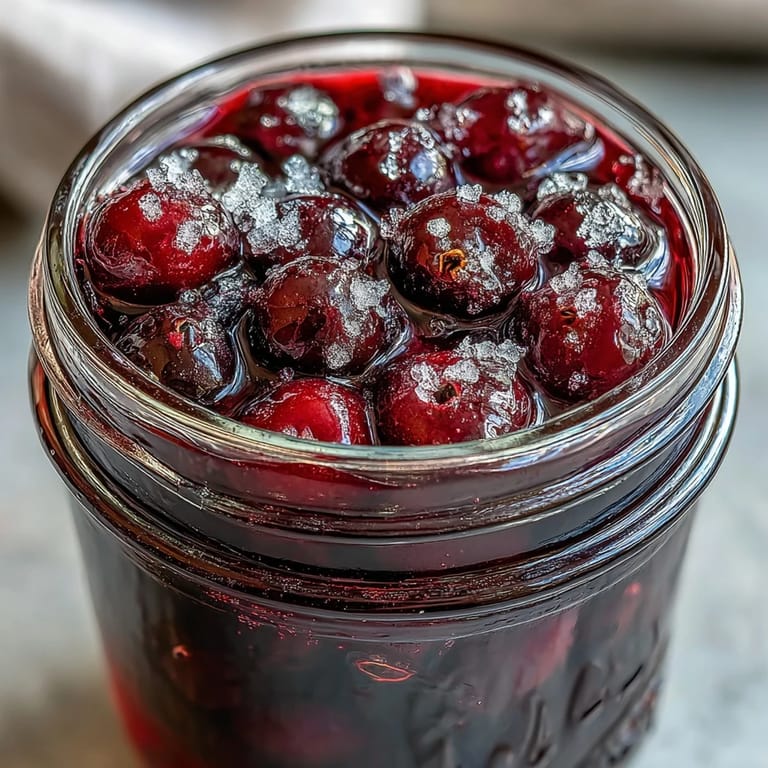
- Pour your blackcurrants into a large, spotlessly clean glass jar with a tight-fitting lid, then scatter the sugar over them like you're seasoning a dish. The sugar will start drawing out juice almost immediately.
- Add the spirit:
- Pour the vodka in slowly, making sure it covers everything completely, then seal the jar tightly and give it a gentle shake to begin dissolving the sugar and blending the flavors.
- The waiting game:
- Tuck your jar away in a cool, dark cupboard—a pantry or cabinet away from direct light is ideal. Every few days, give it a gentle shake to help the sugar dissolve evenly and ensure the flavors are developing uniformly.
- Taste and strain:
- After 3 weeks, open the jar and take a tiny taste; the liquid should be rich and deeply flavored. When it reaches your perfect balance of tartness and sweetness, pour everything through a fine sieve or muslin cloth into a clean bottle, letting gravity do the work rather than forcing it.
- Final maturation:
- Seal your strained liqueur and let it rest for another 2–4 weeks if you can be patient—this final aging round smooths out any rough edges and develops a more sophisticated, rounded flavor.
 Save
Save There was a moment last winter when my partner poured a small glass of this liqueur over ice, took a sip, and just closed his eyes in silence. That quiet appreciation felt like the recipe had finally reached its full potential—it wasn't just a drink anymore, it was comfort in a bottle. He's now the one reminding me when blackcurrant season approaches, which feels like the highest compliment.
Choosing Your Blackcurrants Wisely
I learned the hard way that frozen blackcurrants from a reliable grocer often outperform fresh ones picked early from a farm stand. Fresh berries need to be perfectly ripe—underripe fruit won't give you enough juice or flavor, while overripe berries can make the liqueur taste muddy. Frozen berries, harvested at peak ripeness, deliver consistency and a deeper, more concentrated flavor that shines through the final product.
The Science of Infusion
What you're really doing is extracting color, flavor, and tannins from the berries into the alcohol—the sugar plays a crucial supporting role by drawing out juice through osmosis and helping preserve everything. The alcohol acts as both a solvent and a preservative, which is why this liqueur stays stable and improves with time rather than deteriorating. I've tasted 6-week-old batches and 12-month-old batches side by side, and the older one always has a smoother, more integrated character.
Serving and Storing Your Creation
This liqueur is at its best served ice-cold as an after-dinner drink, sipped slowly in small glasses where you can appreciate its deep color and complex fruit notes. It also transforms cocktails—I've stirred it into champagne, mixed it with gin and lemon, and even used it as the base for a winter martini variation. Store bottles in a cool, dark place or the back of your fridge; properly sealed, this keeps for years, though I doubt yours will last that long.
- Chill the glass: A frosted glass or one pulled from the freezer makes the experience feel special and keeps the liqueur at its ideal temperature.
- The spent berries aren't waste: Fold them into cake batter, swirl them into yogurt, or cook them down with a touch of sugar for an impromptu jam.
- Gift it with confidence: A handwritten label and a note about when it was made turns a bottle into a story.
 Save
Save Making your own liqueur is one of those kitchen projects that feels indulgent but isn't fussy—you're really just playing matchmaker between fruit, sugar, and spirit. A few weeks from now, you'll have something extraordinary waiting in your cupboard.
Your Questions Answered
- → How long does blackcurrant vodka need to infuse?
The infusion process takes 3–6 weeks for optimal flavor extraction. Begin tasting after 3 weeks and continue infusing until the flavor reaches your desired intensity. Additional maturation for 2–4 weeks after straining further develops the character.
- → Can I use frozen blackcurrants instead of fresh?
Yes, frozen blackcurrants work excellently and often release their juices more readily during infusion. Ensure they are fully thawed before adding to the jar, and adjust the initial sugar if the berries seem particularly sweet or tart.
- → What type of vodka is best for making liqueur?
A quality neutral vodka with smooth flavor is ideal. Premium brands yield a cleaner final product, but mid-range options work perfectly. Avoid heavily flavored vodkas as they may compete with the delicate blackcurrant notes.
- → How should I store the finished liqueur?
Store in a cool, dark place away from direct sunlight and heat sources. Properly sealed bottles will maintain quality for 12–18 months. Refrigeration is not required but can help preserve freshness after opening.
- → What can I do with the strained blackcurrants?
The alcohol-infused berries are excellent baked into cakes, stirred into oatmeal, or cooked into jam. They retain intense flavor and natural sweetness, making them a delicious addition to various desserts and breakfast dishes.
- → Can I reduce the amount of sugar?
Absolutely. Start with 250 g for a tarter, more spirit-forward result. You can always add more sugar during infusion by shaking to dissolve. Taste periodically until the balance suits your preference.